
A guide to
PALERMO CITY
From Phoenician traders to twenty-first century city-breakers, Sicily’s largest and most influential city has captured imaginations and left lasting memories. Here’s why we love it…
A Tapestry of History and a Foodie’s Delight
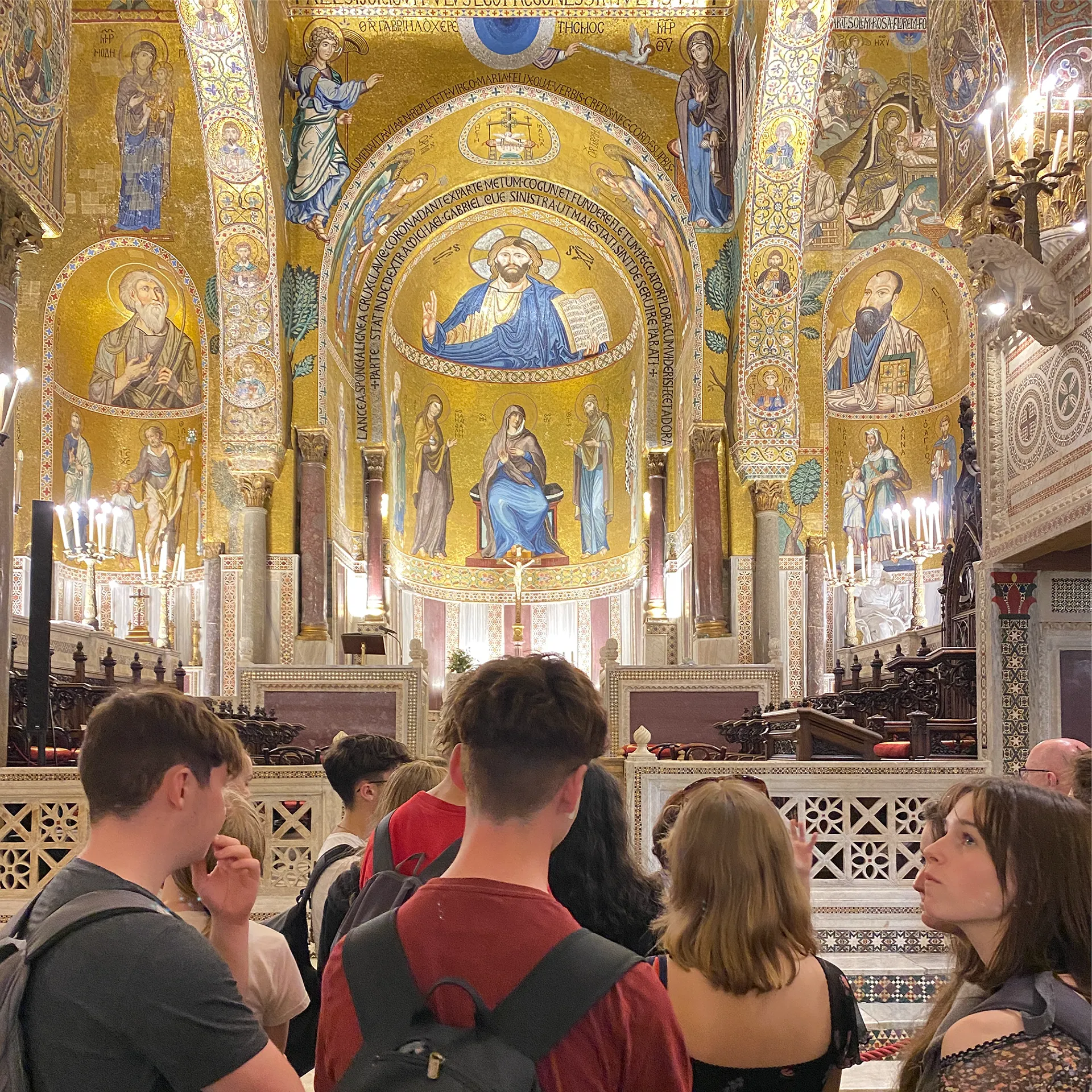
Palermo has one of the most fascinating histories of any city in Europe, with an astonishing array of rulers and residents having left their mark over the millennia. Phoenician merchants arrived around the 8th century BC, recognising its vast natural harbour and perfect position to be the ideal base for pan-Mediterranean trade. The city then passed through Greek, Carthaginian, Roman and Byzantine hands before Arab rule arrived in 831. Their influence revolutionised the region, adding irrigation channels, gardens and the souk-style markets which still bustle with activity today. The Normans took charge in 1072, blending their aesthetics with Arabic craftsmanship to create some of the finest buildings and monuments in Europe. Around this time Palermo was actually the largest human settlement west of Constantinople. The city became a magnet for poets and scholars, and Sicilian became Italy’s first literary language. Spanish and Bourbon rule followed, with their lavish legacy still on display along Via Maqueda and the Baroque palaces, before a 19th-century mercantile boom brought elegant Art Nouveau villas.
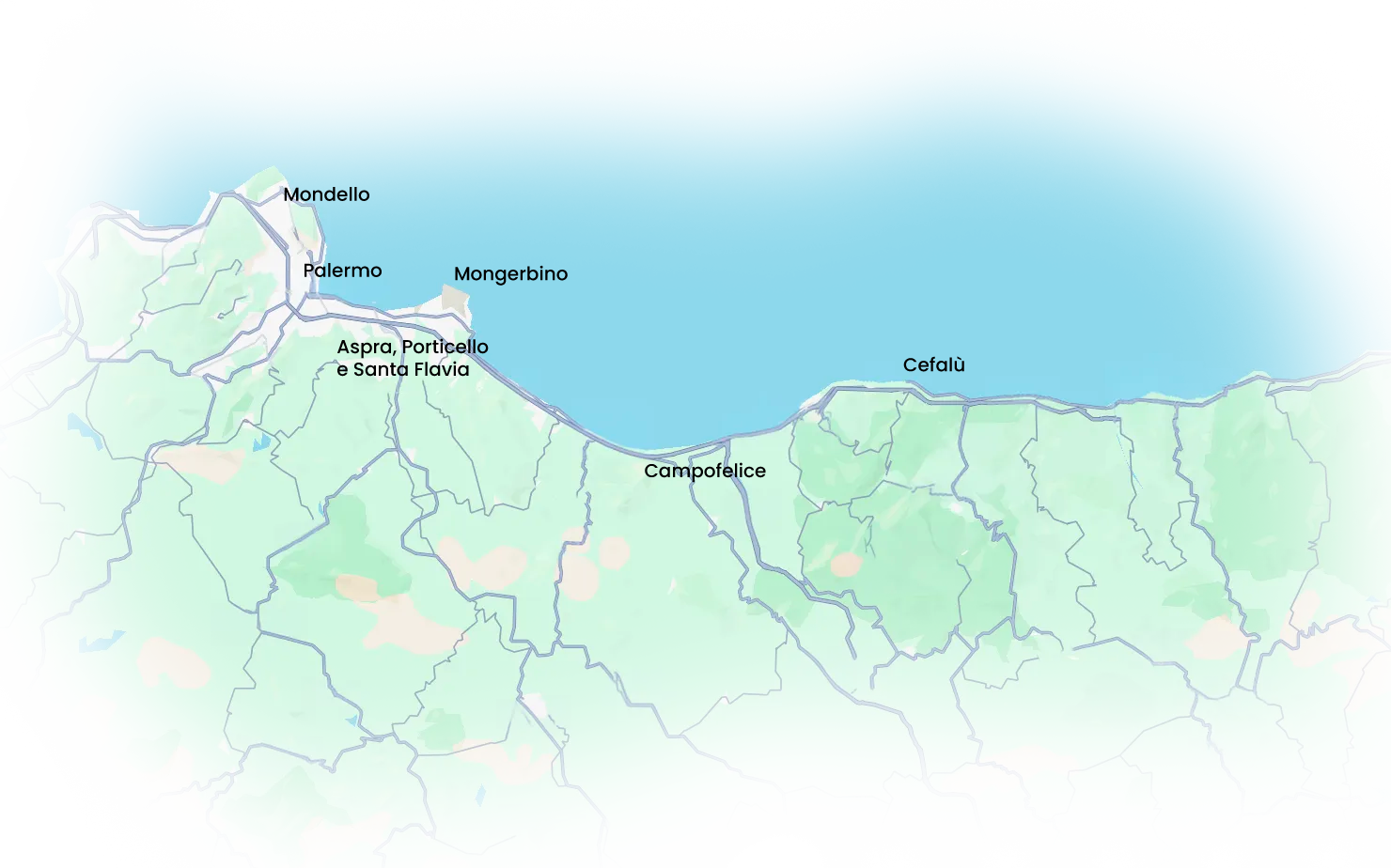
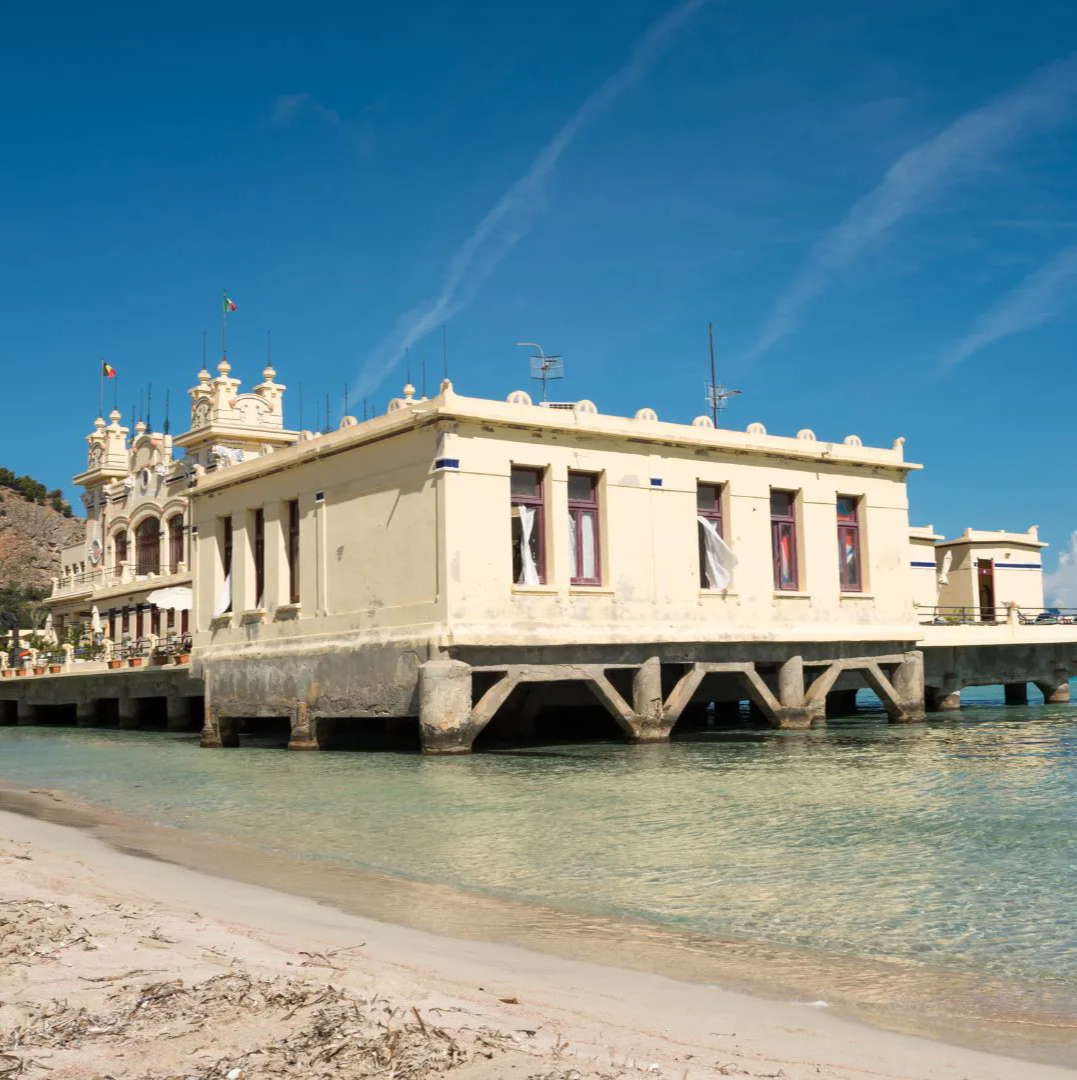
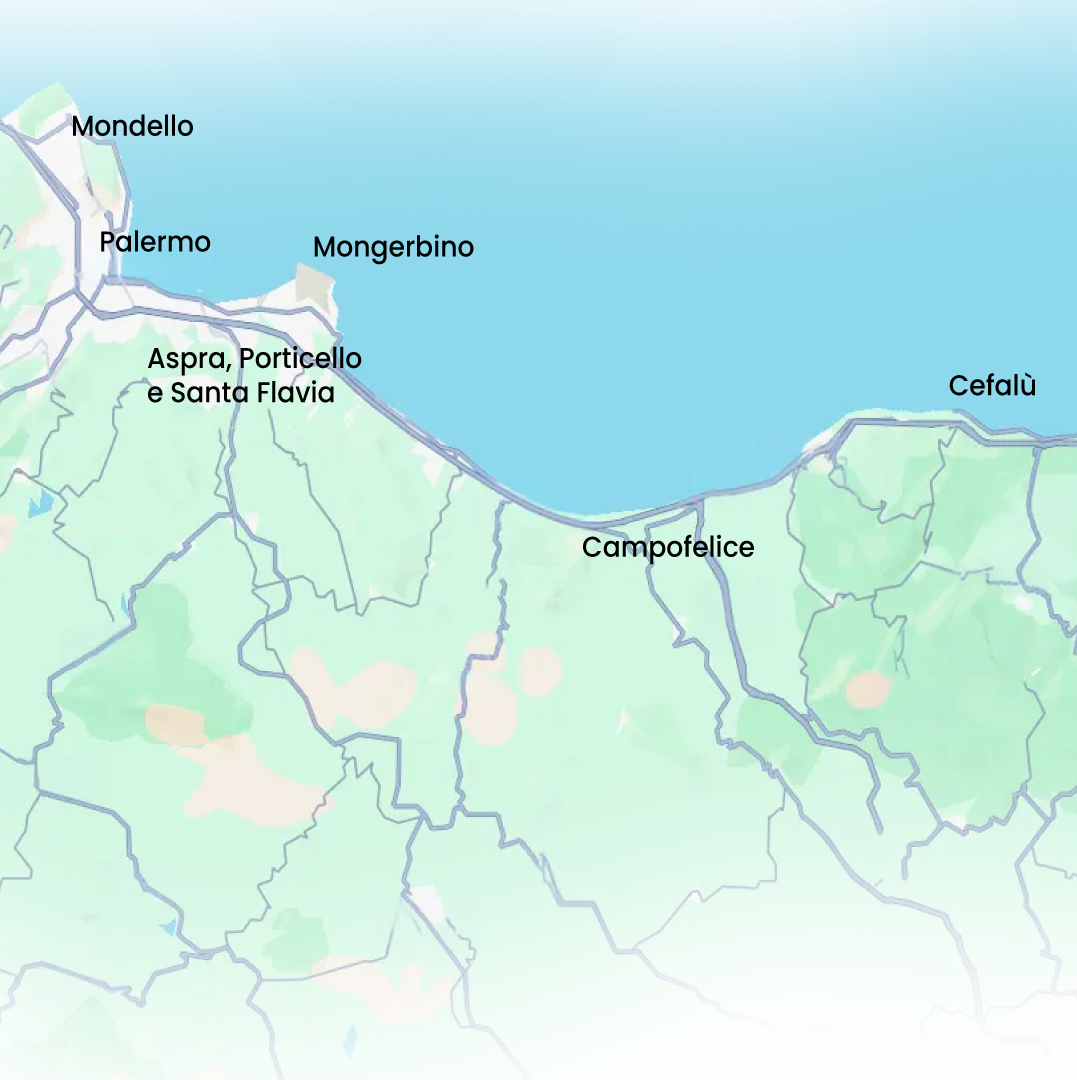
Today’s Palermo is Sicily’s capital and Italy’s fifth-largest city. It’s easy to reach via its airport, Falcone e Borsellino, around thirty minutes from the centre, and good rail and bus links make it a fine base for exploring the whole island. The old town, partially pedestrianised and perfect to explore on foot, is split into four historic quarters, Albergheria, Capo, Loggia and Kalsa. These converge at the iconic Quattro Canti crossroads. To the north the coast is given to the city’s port, then at its heart is a dazzling new marina, and running south from there is the Foro Italico, a spectacular seafront park. On the far side of Monte Pellegrino, the vast golden beach of Mondello is a ubiquitous fixture of the city’s summertime life.
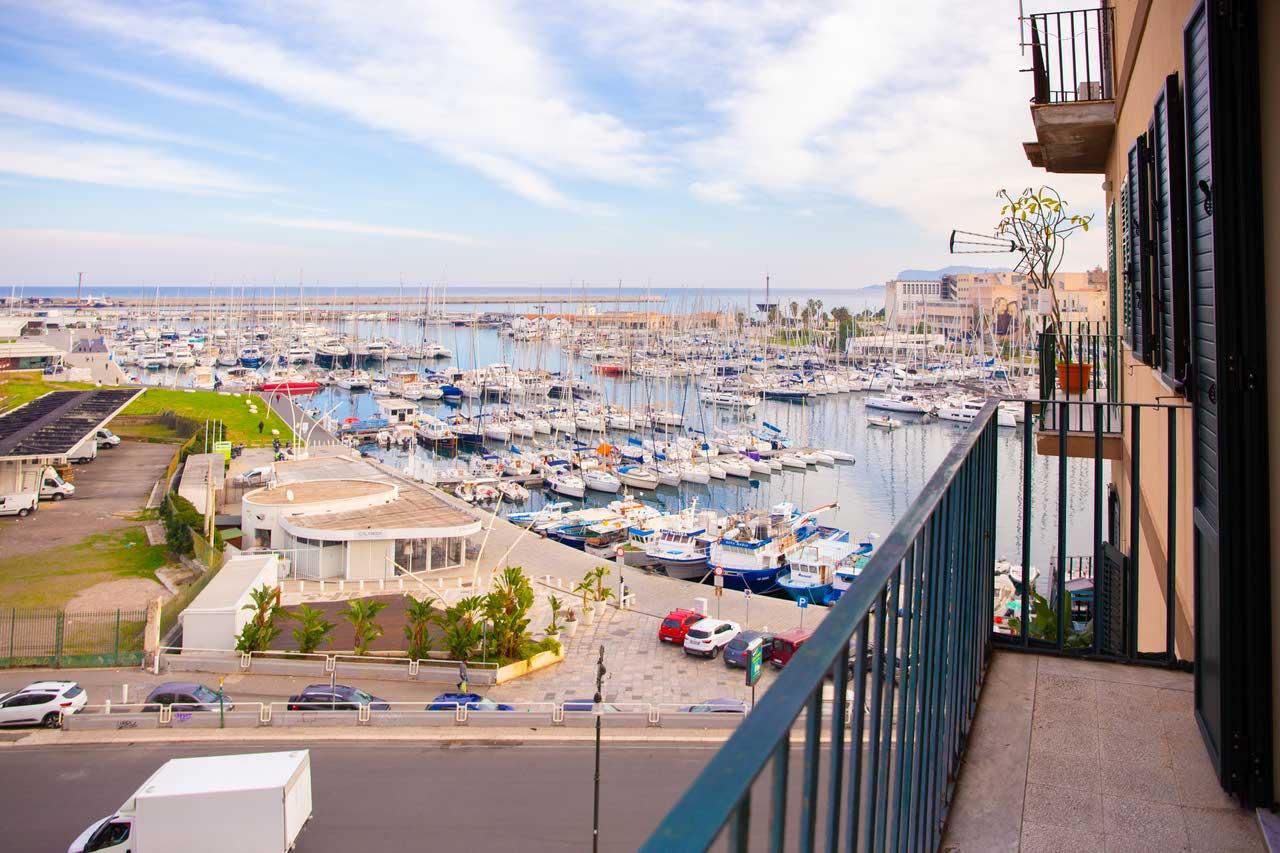
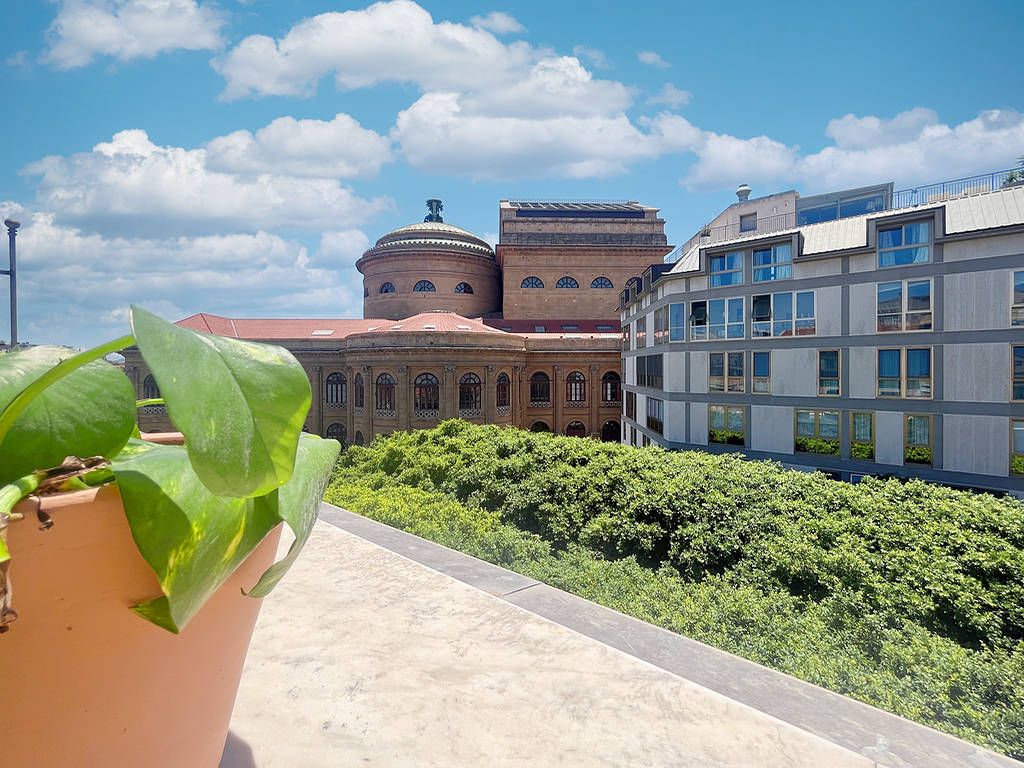
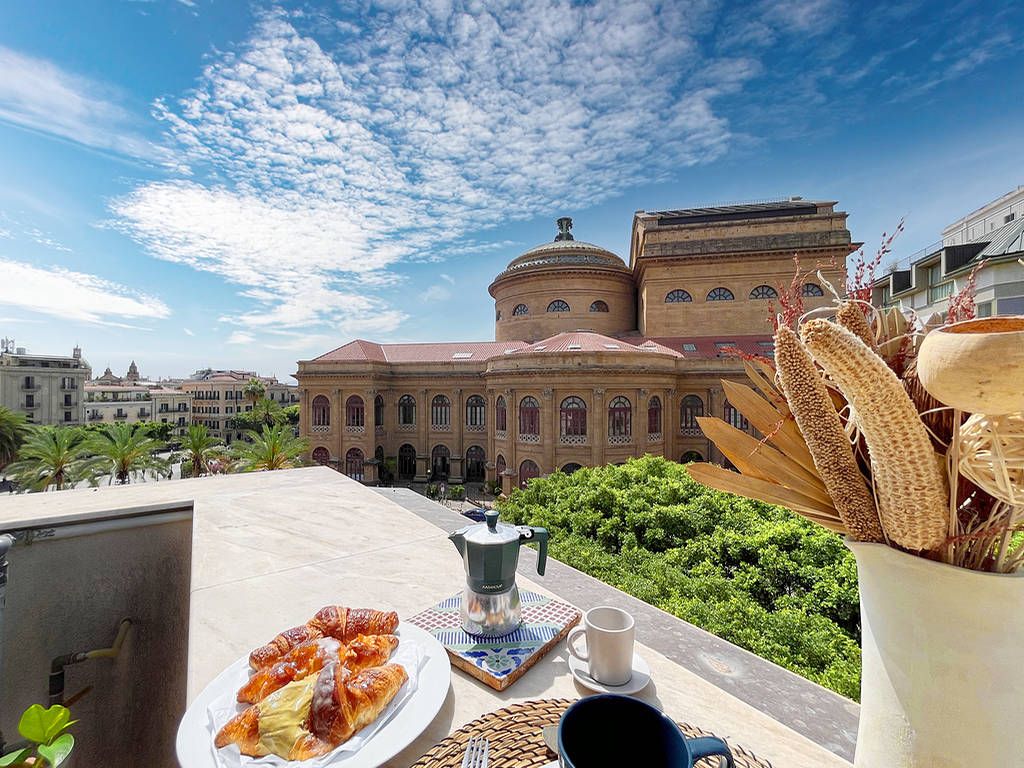
Each year, tourists are drawn in greater numbers by the city’s enthralling culture. Threading through the centre is the Arab-Norman route, a string of churches, palaces and cathedrals recognised as a UNESCO World Heritage Site since 2015, proof of a culture shaped by both Europe and the Arab world. The Teatro Massimo, reputed to be Europe’s most acoustically perfect opera house, anchors a calendar of world-class music, while a more earthy chorus echoes around the soon-to-be redeveloped stadium of the city’s beloved football team, now under the umbrella of the Abu Dhabi-based City Group. The new marina has brought family-friendly spaces and fine dining to what was previously a busy industrial port. The historic markets, Ballarò, Vucciria and Capo, are still the best places to sample some of Italy’s most memorable street food at prices that will amaze.
The Perfect
Destination for…
Palermo City is ideal for travellers who like to explore, socialise and spend their holidays on their feet – with plenty of leisurely breaks to people-watch over a coffee or aperitivo, obviously. It’s a great destination for weekenders but also rewards longer winter stays, when the temperatures are very comfortable and life remains in full swing. Foodies can’t resist the astonishing range of options on offer for every palate and budget, whether they’re sampling street food in the Vucciria or fine dining at one of the many beloved restaurants. Families will find plenty of parks and green spaces
Investment Advice
The Solemar Group’s buy-to-let specialist Fabian Gruessener shares his insights for prospective buyers in the area
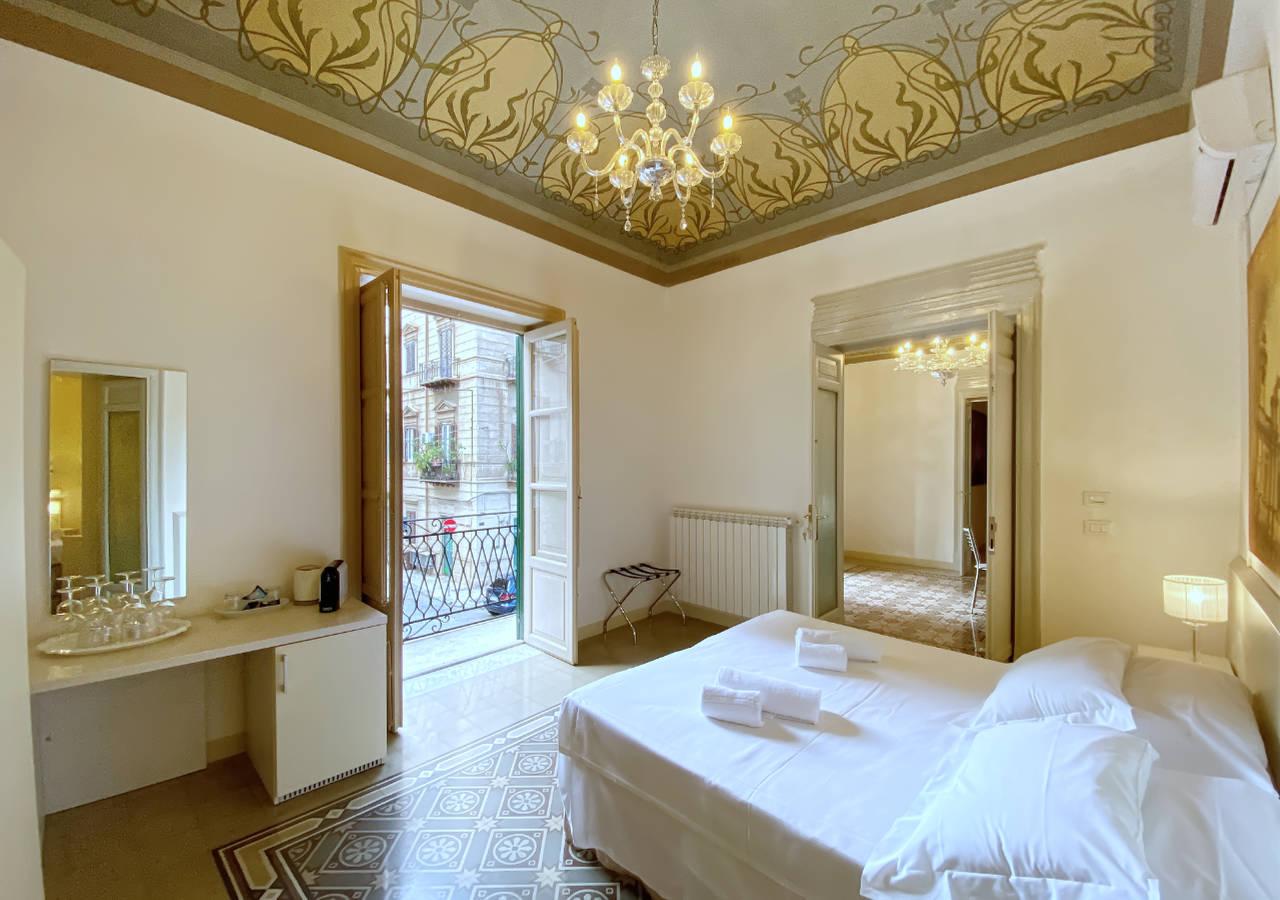
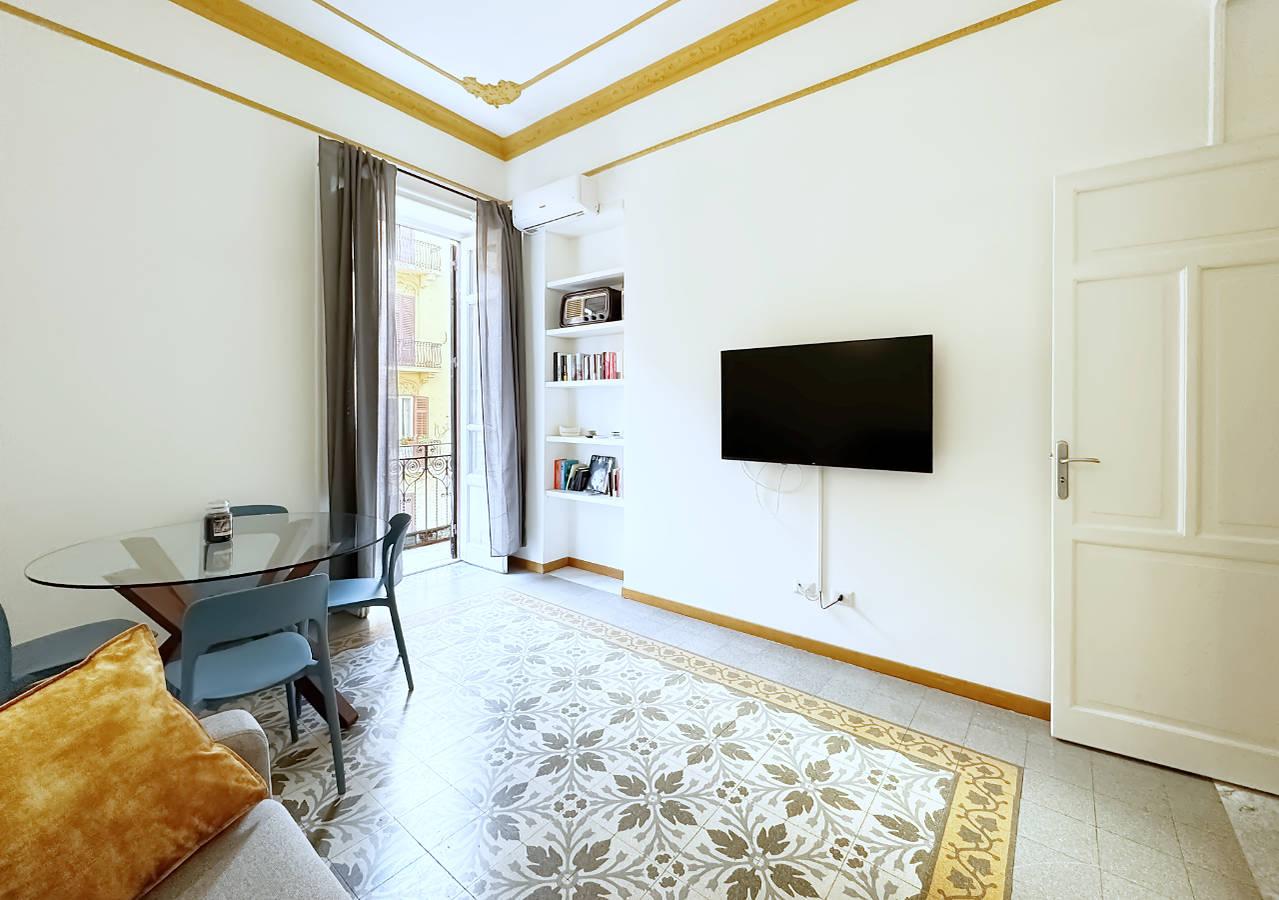
“Palermo is a really exciting market for renovating and reimagining an old building. We’ve helped people turn an old department store, a warehouse and even an old fabric factory into some great residential, tourist and hybrid spaces. Of course, you don’t need to be working on that scale to find a lovely project – even just a lot of old houses are hiding some amazing details under a bit of dust or a layer of paint. Keep an eye out for details like Baroque detailing around windows and balconies, and frescoed ceilings that might need a bit of care and attention.
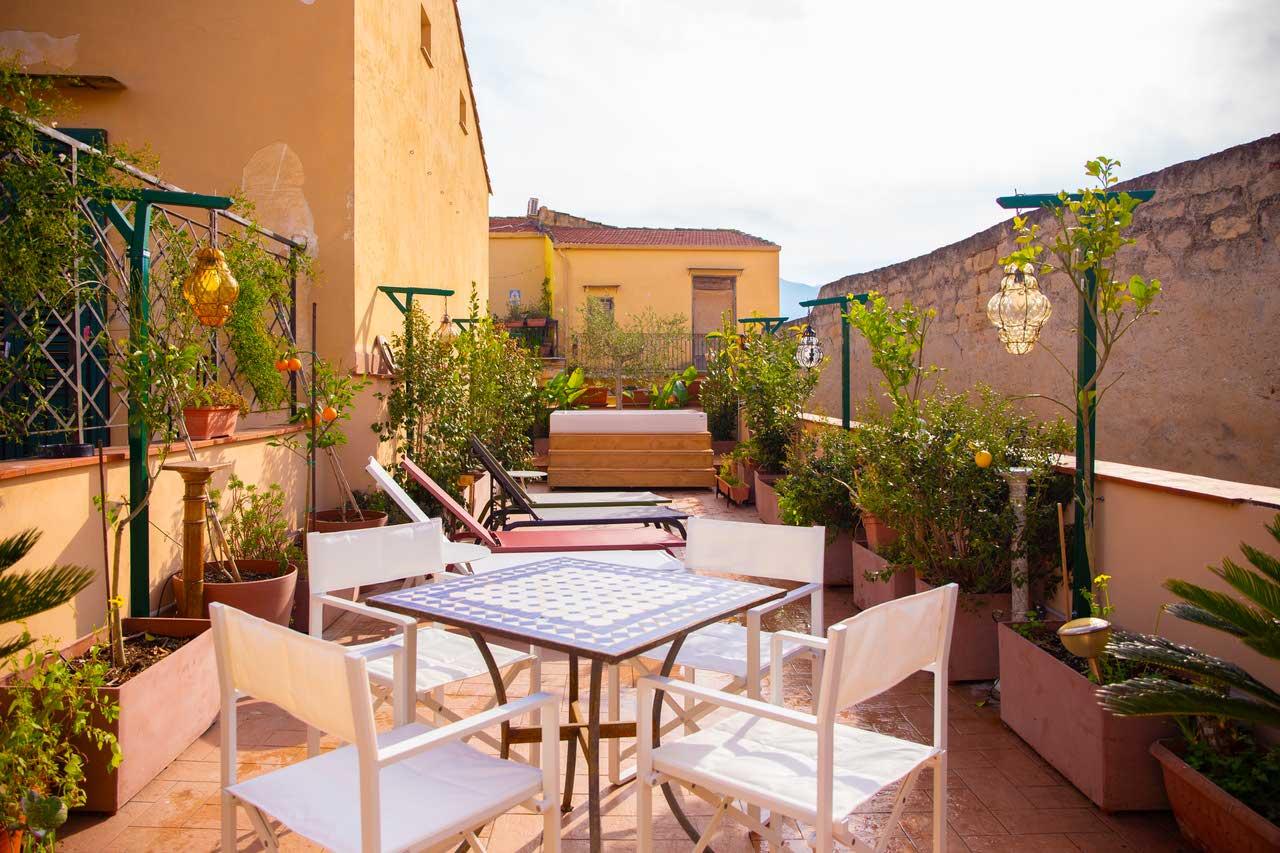
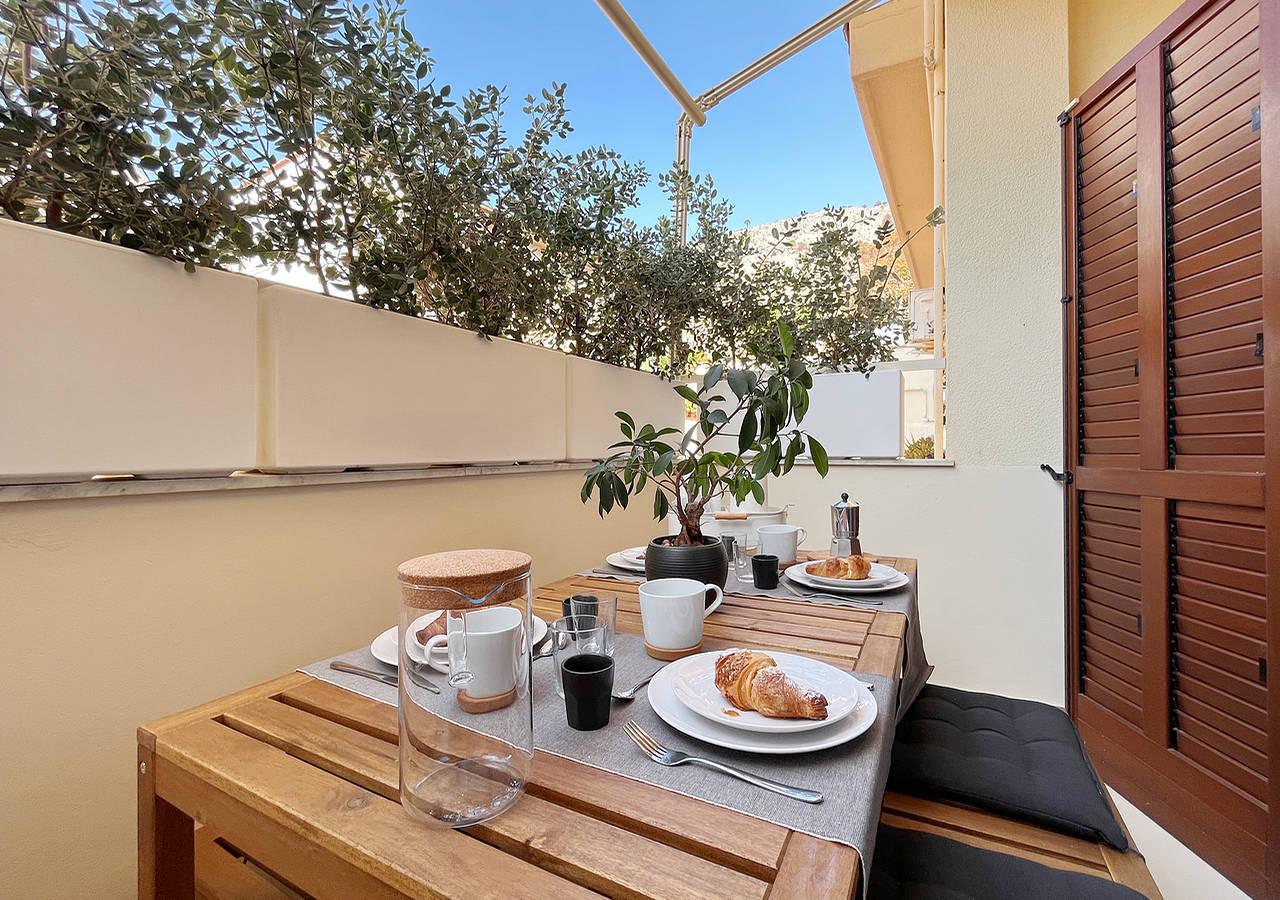
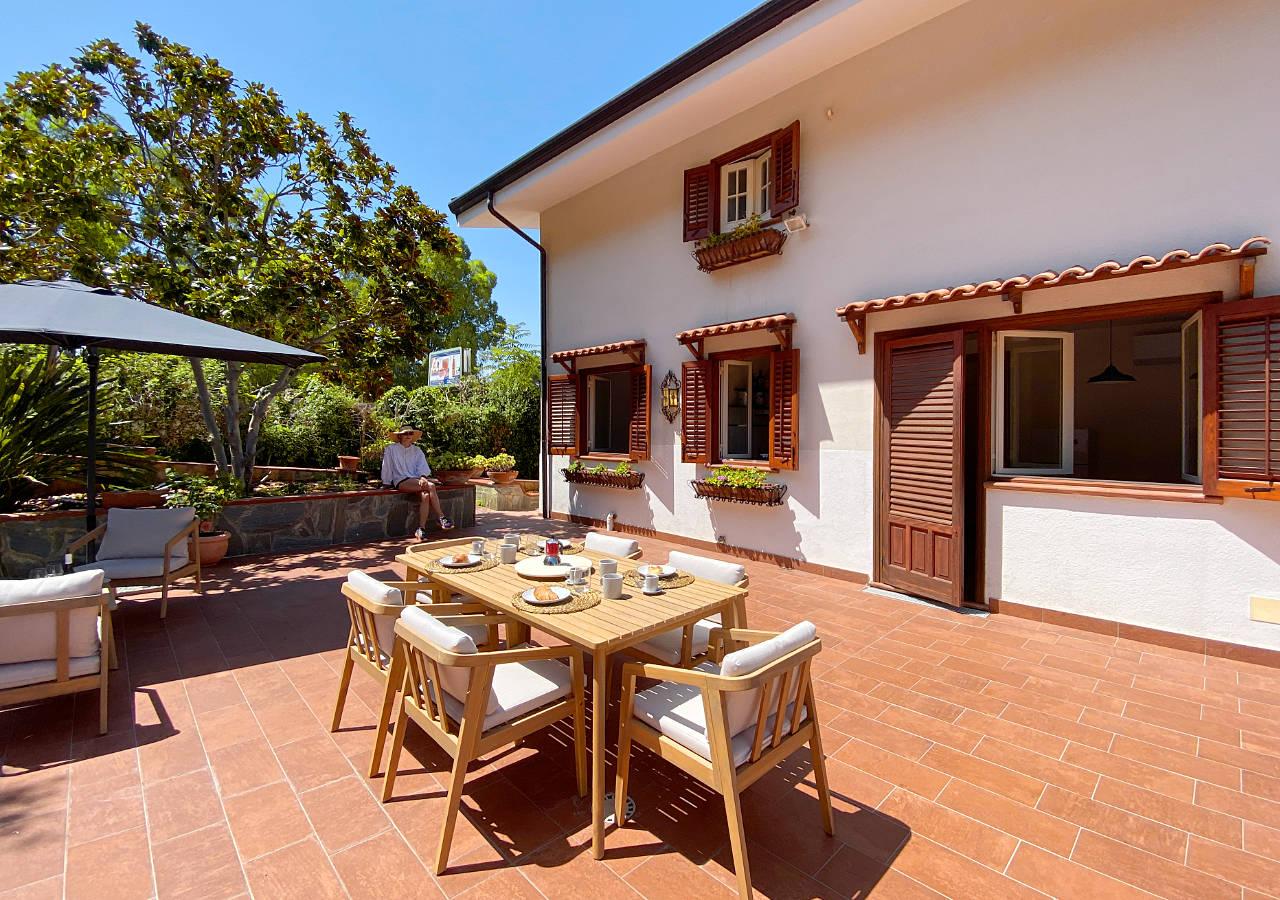
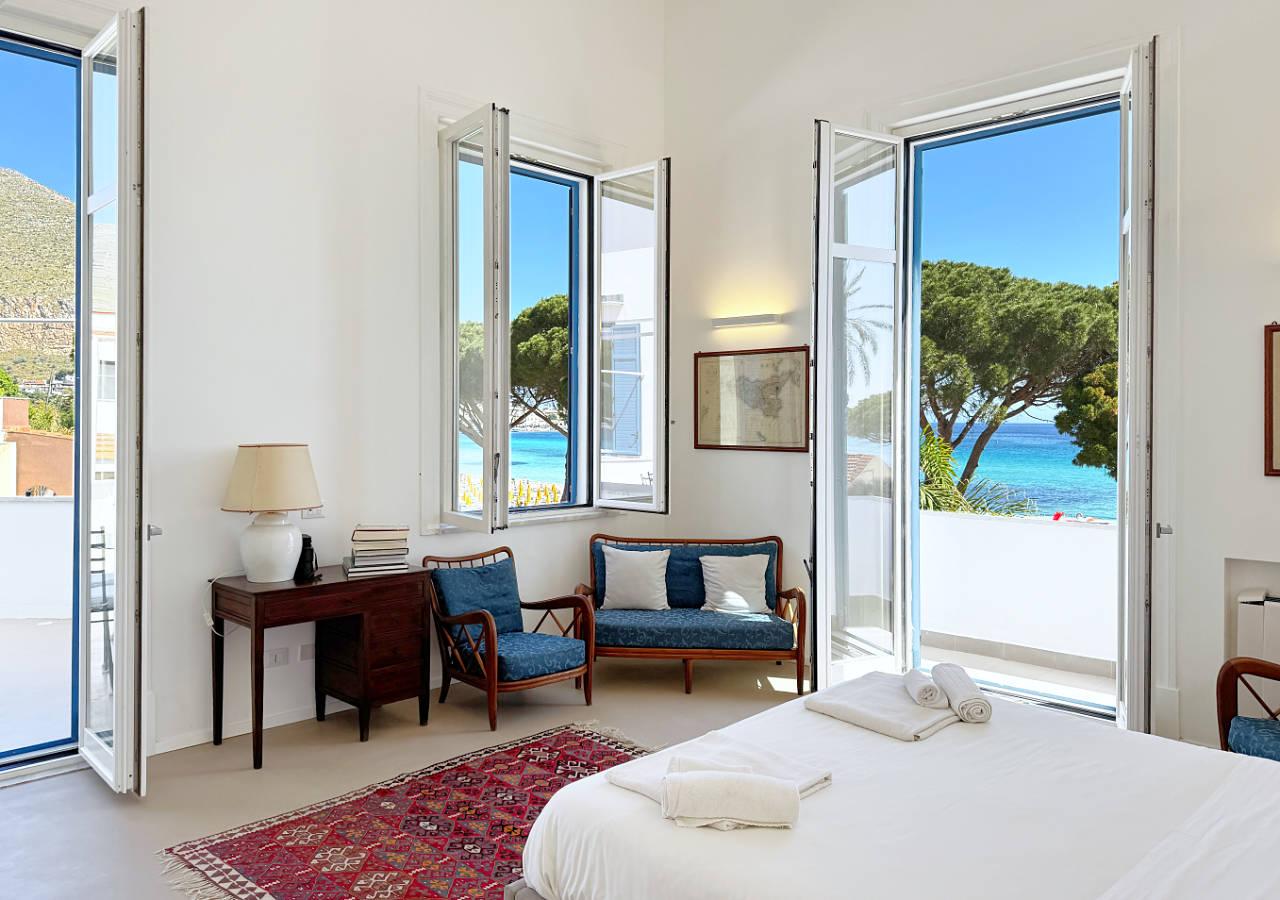
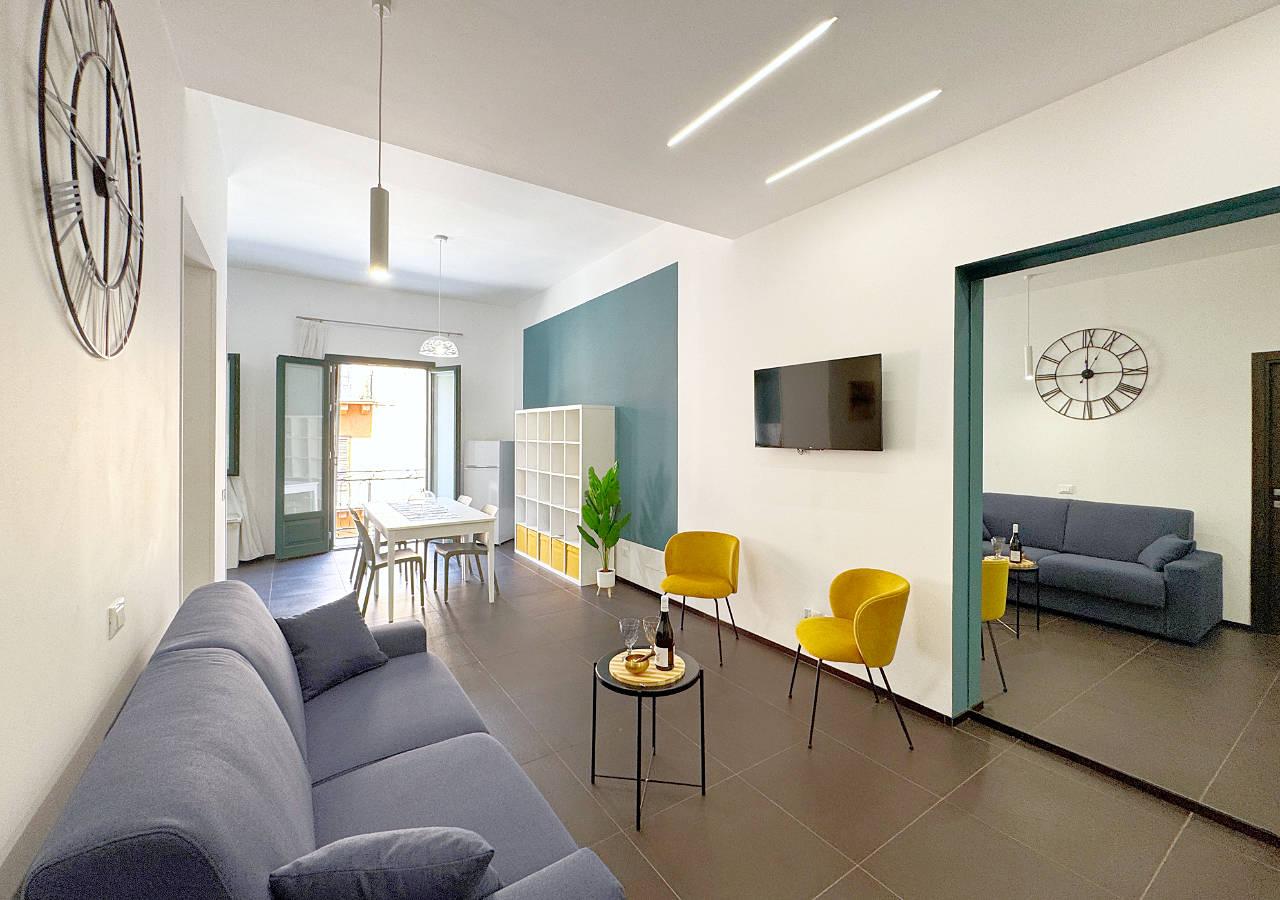
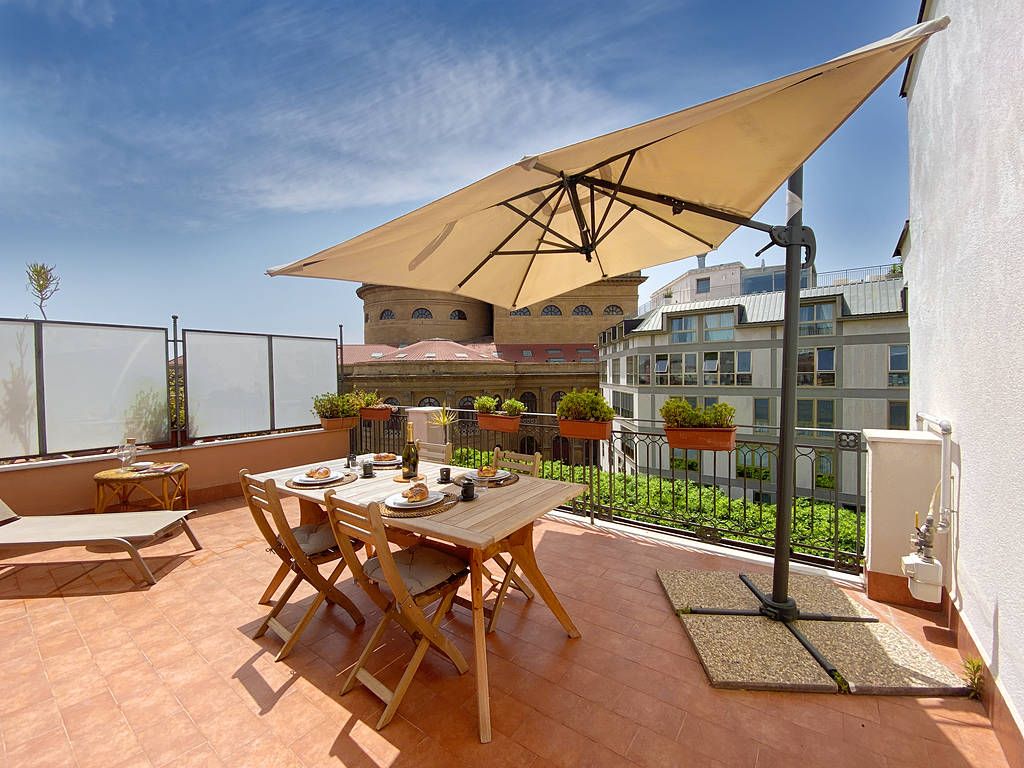
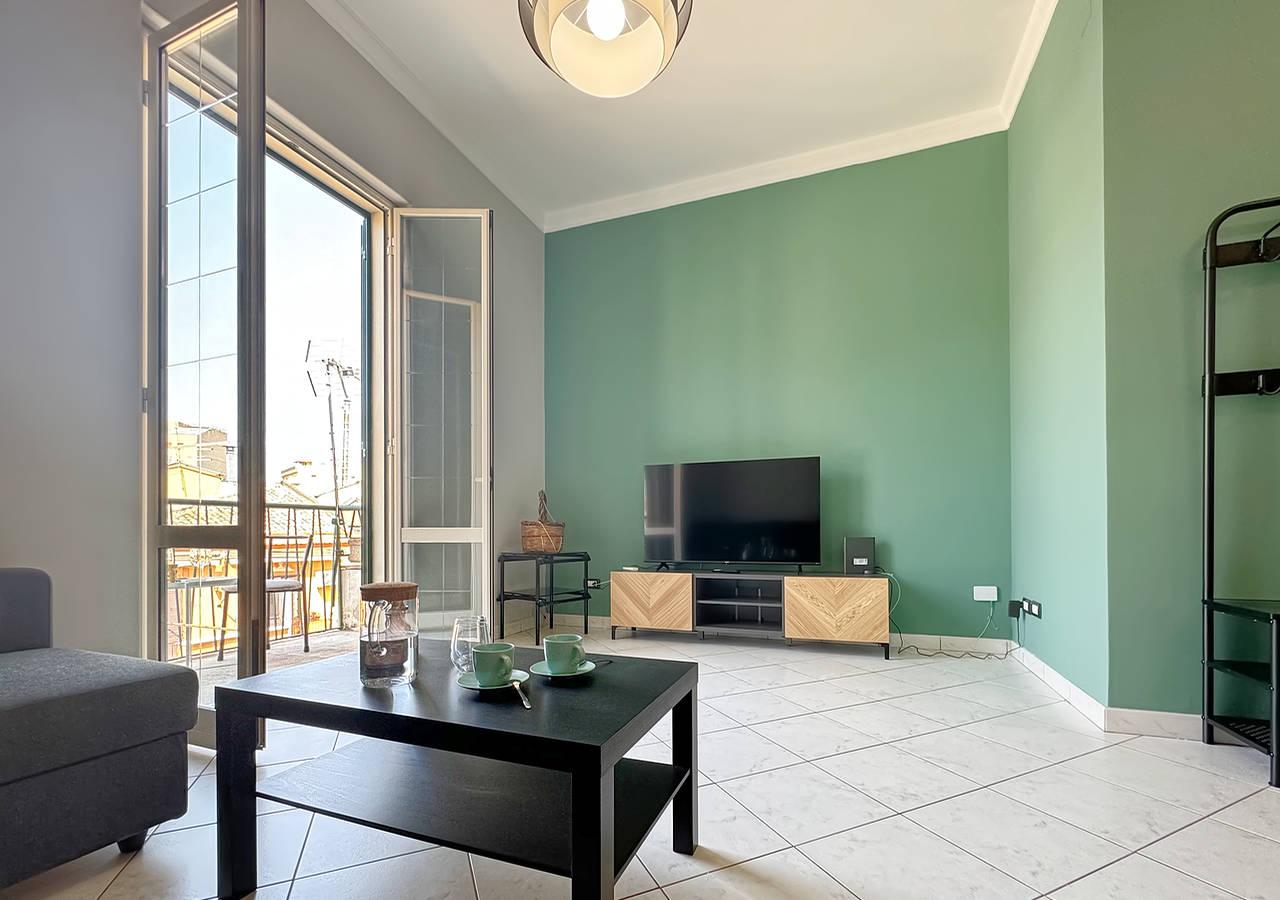
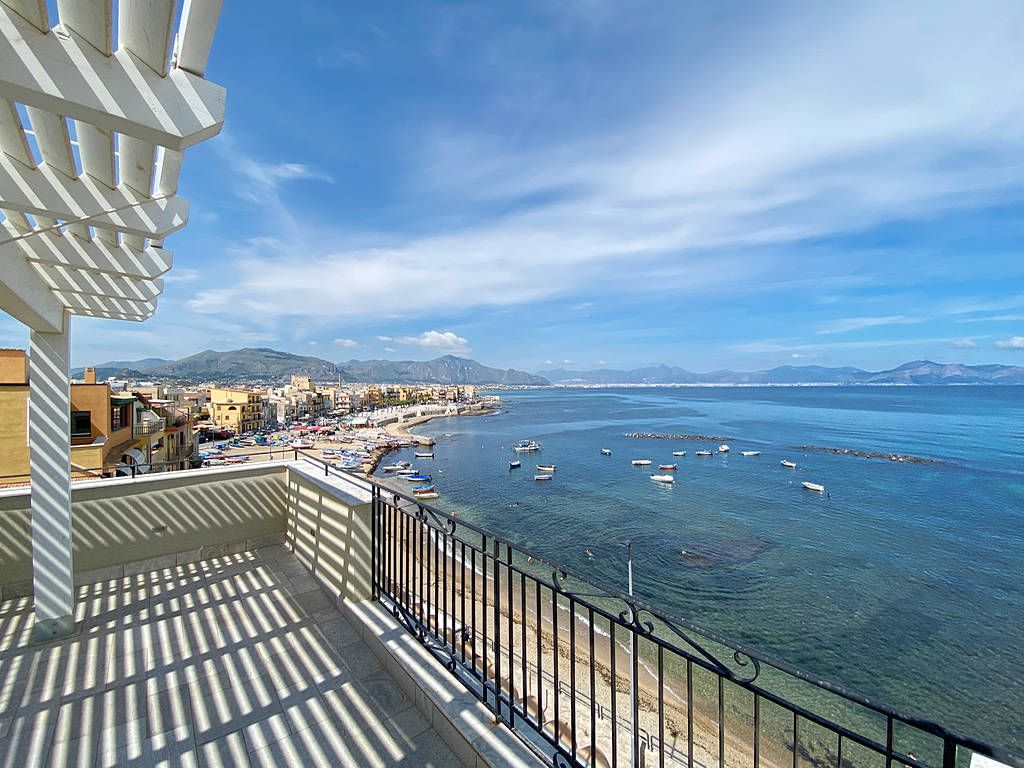
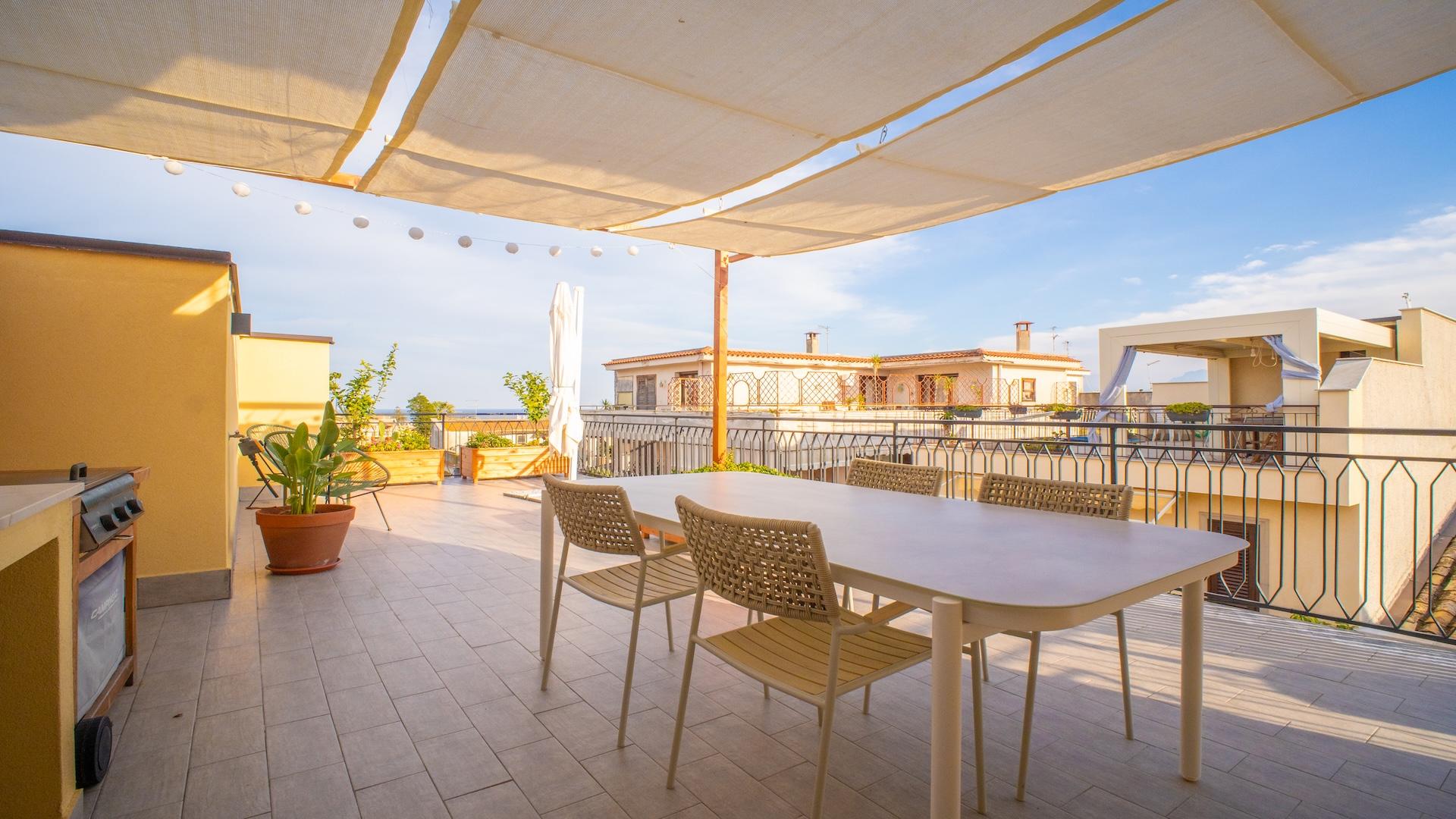
“La Kalsa is the most popular neighbourhood for visitors on a city break, but there is also value in the Ballarò and the new marina has brightened up that side of town. Of course, if you want luxury then Via Libertà is amazing, and the hills around the edge of the city have some incredible villas. Wherever you buy, to stand out from the tourist rental crowd you want at least two proper bedrooms and a bit of outdoor space – a balcony is good, a roof terrace is the dream.
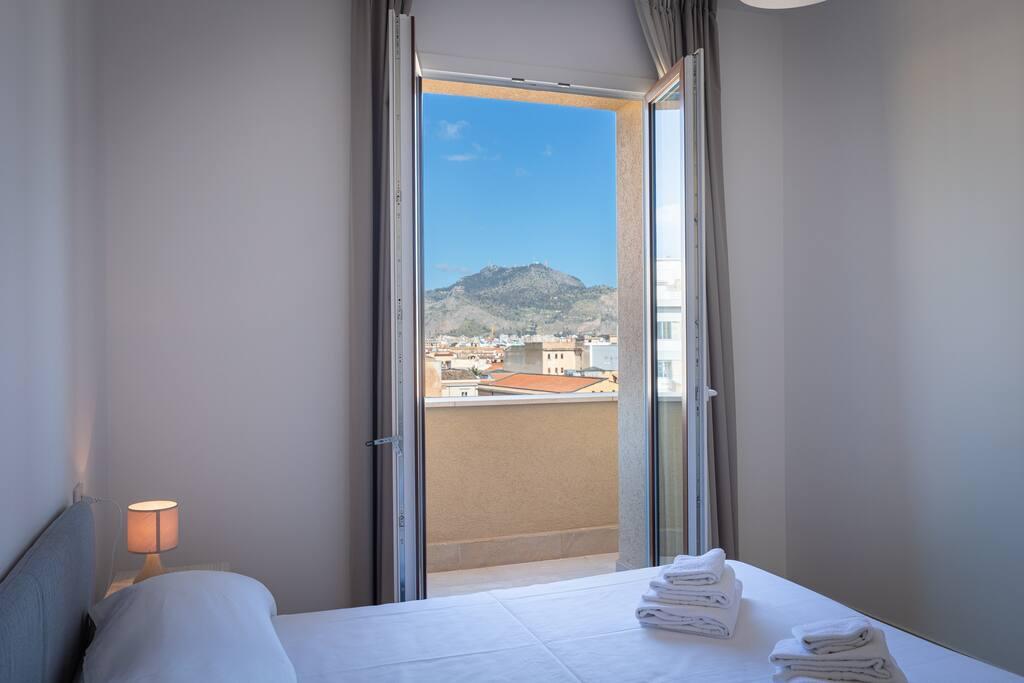
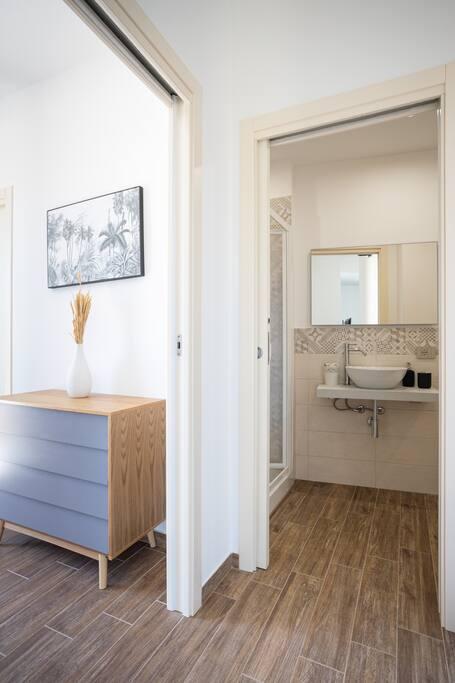
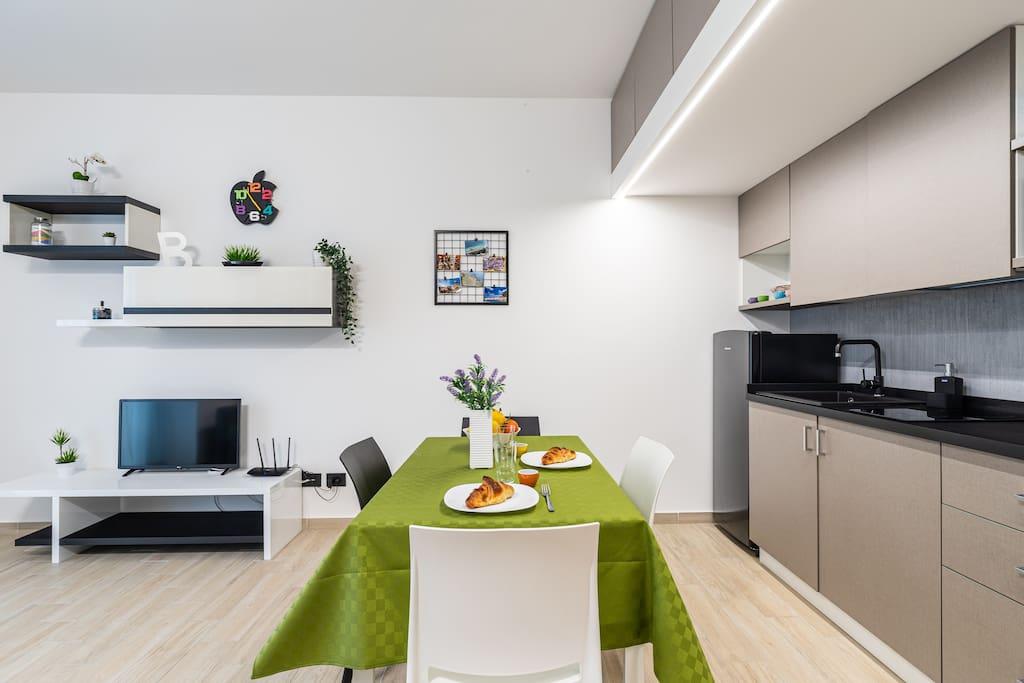
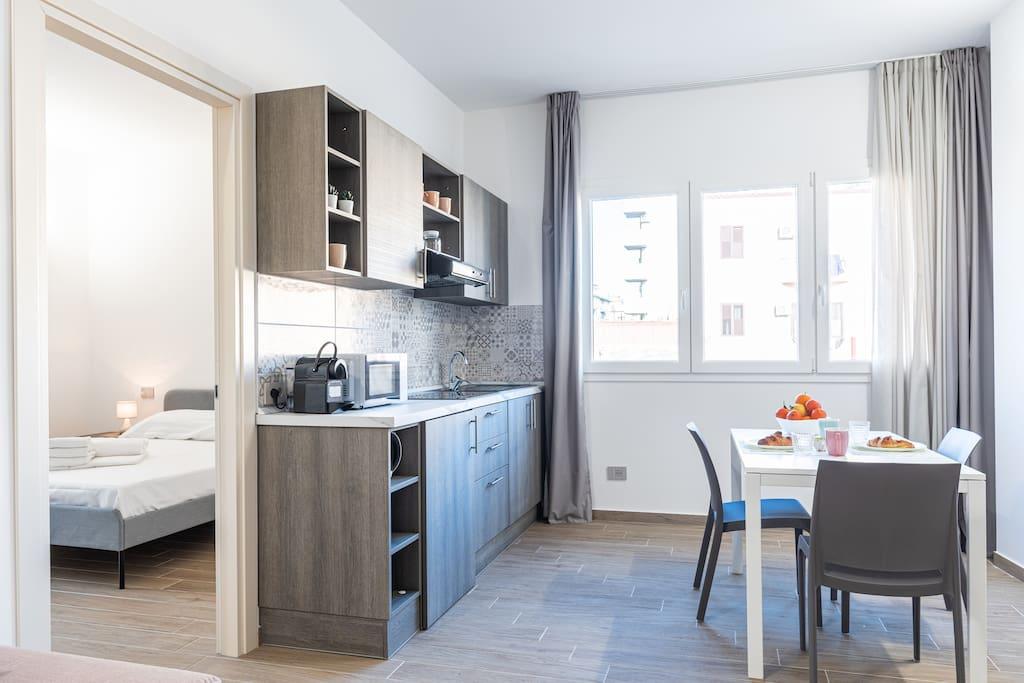
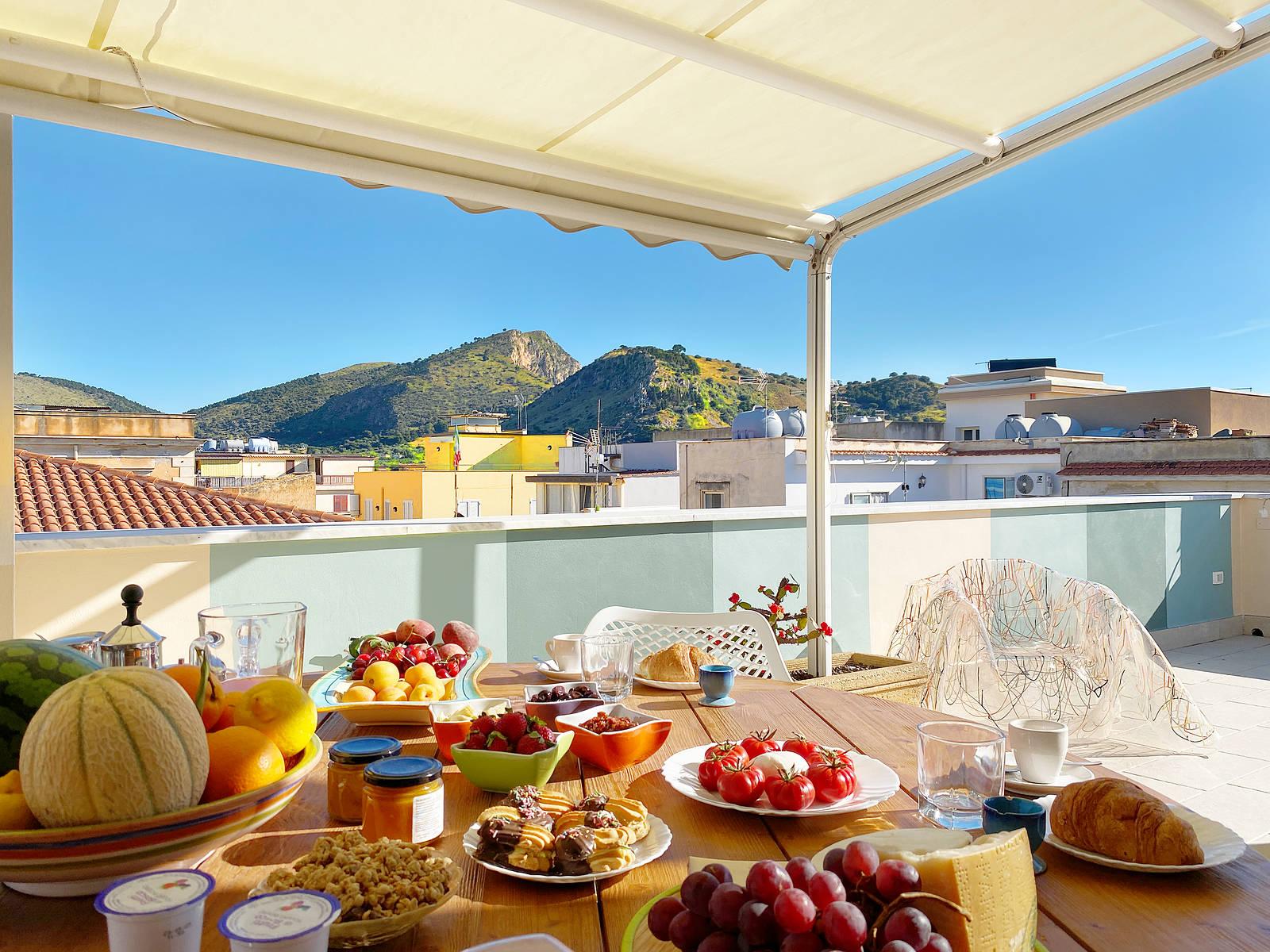
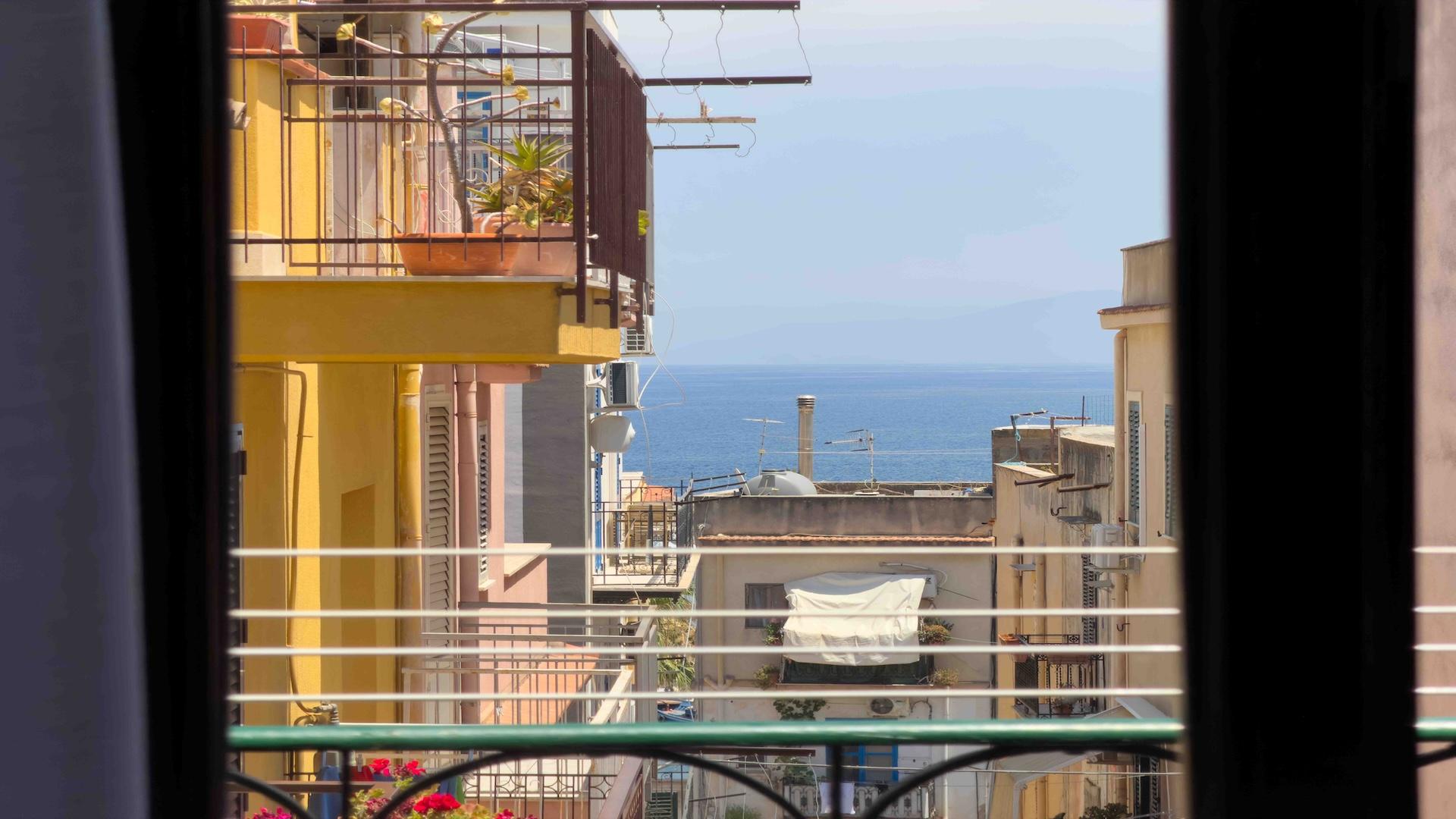
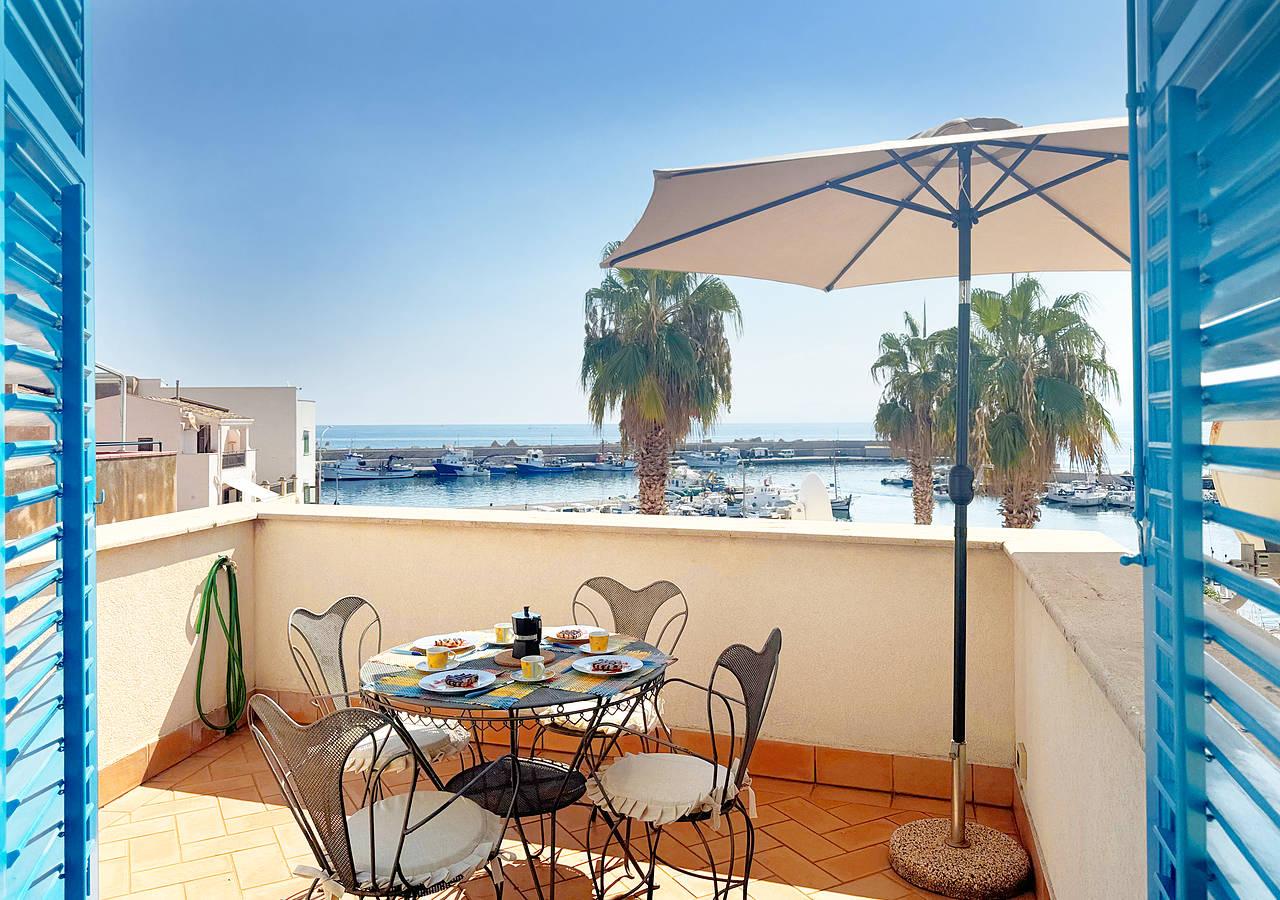
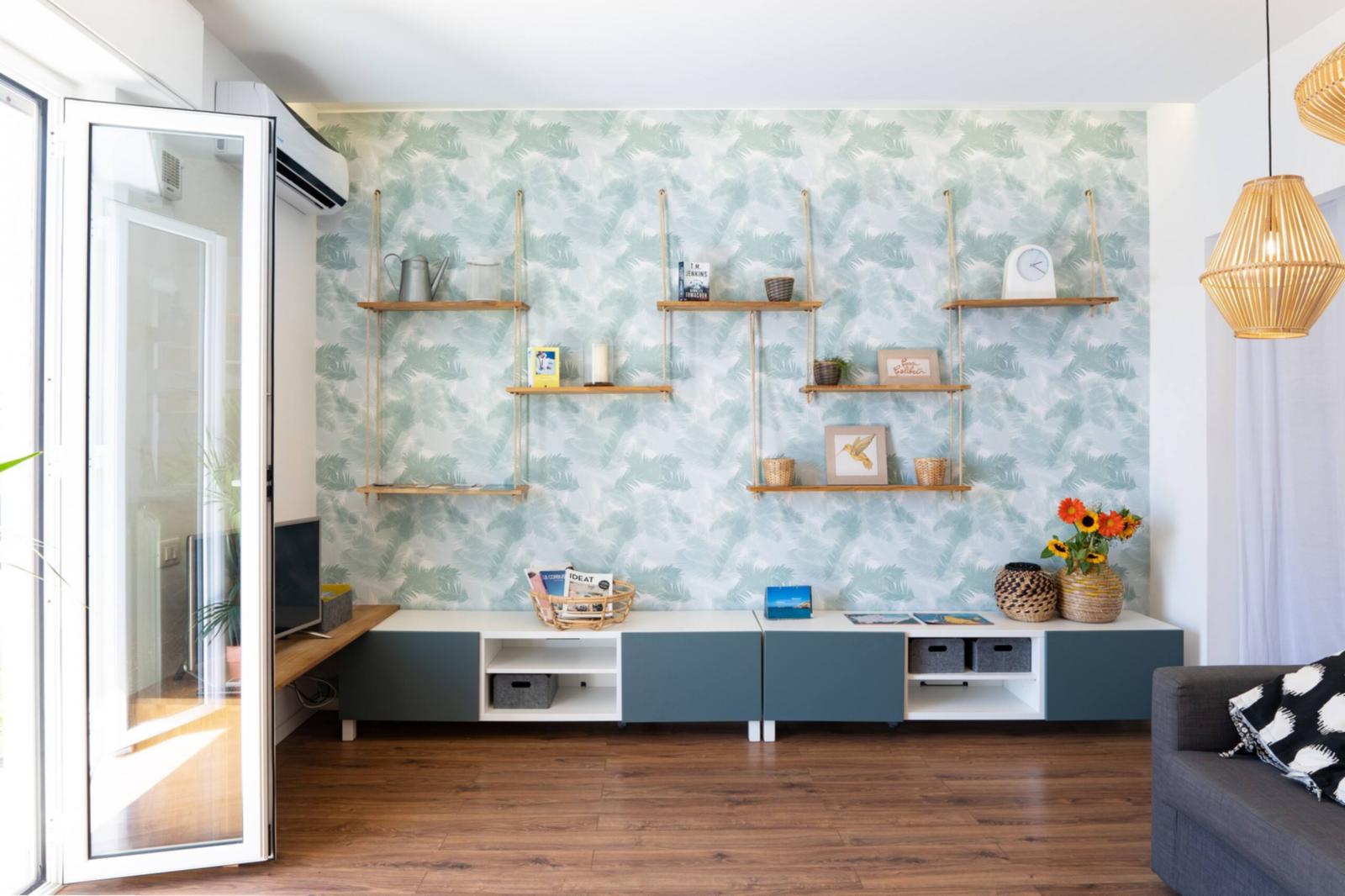
Our Properties
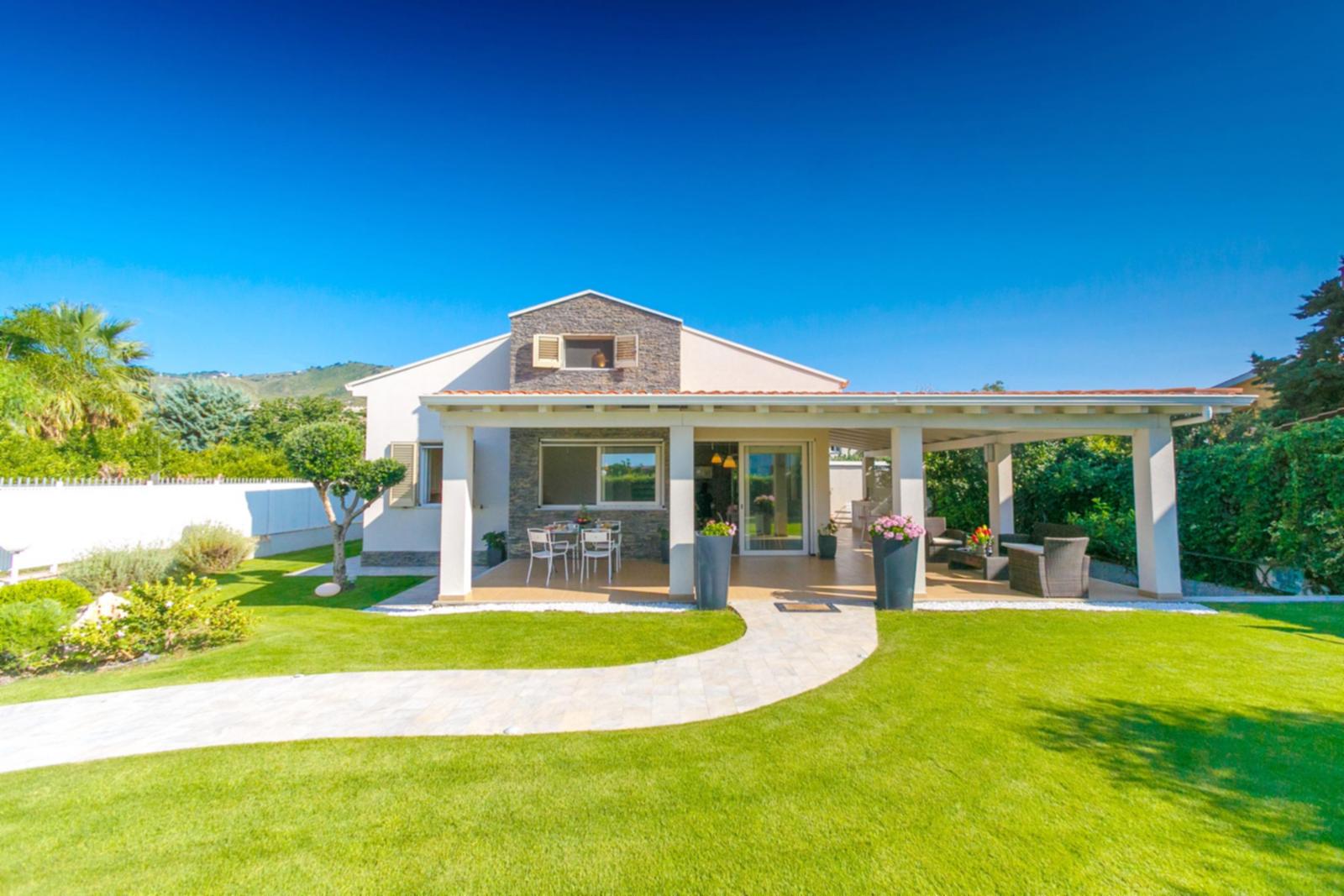
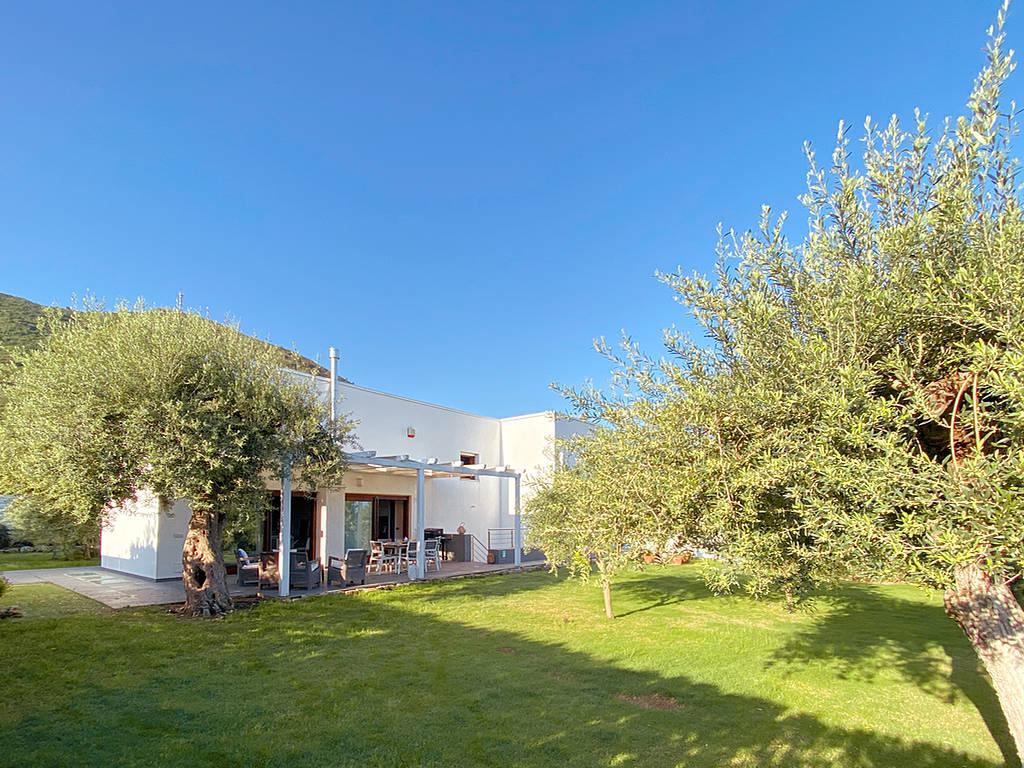
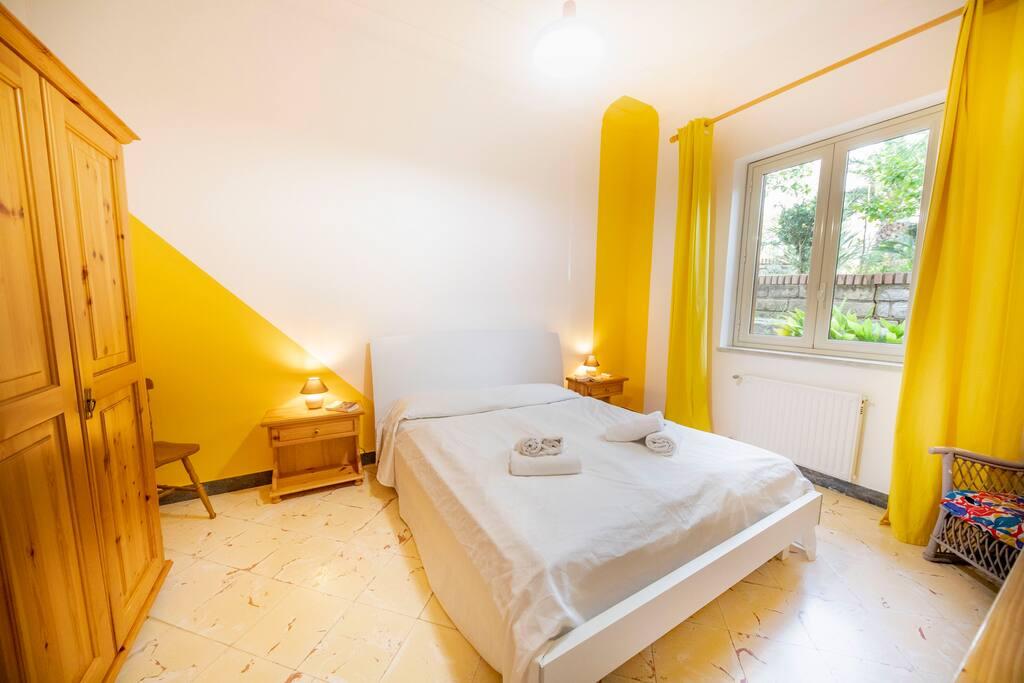
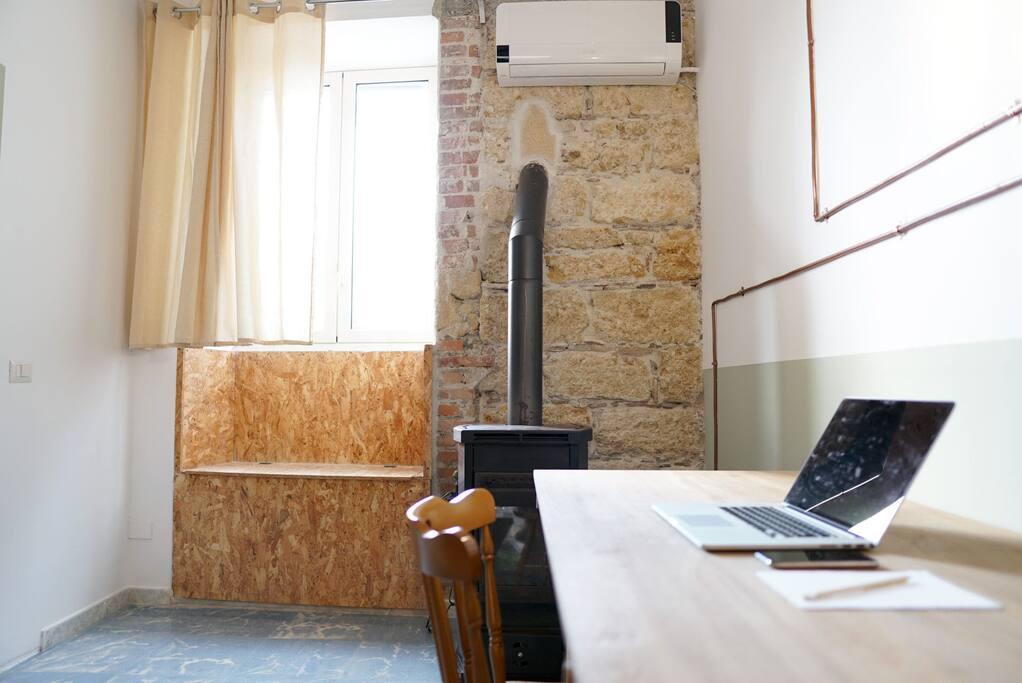
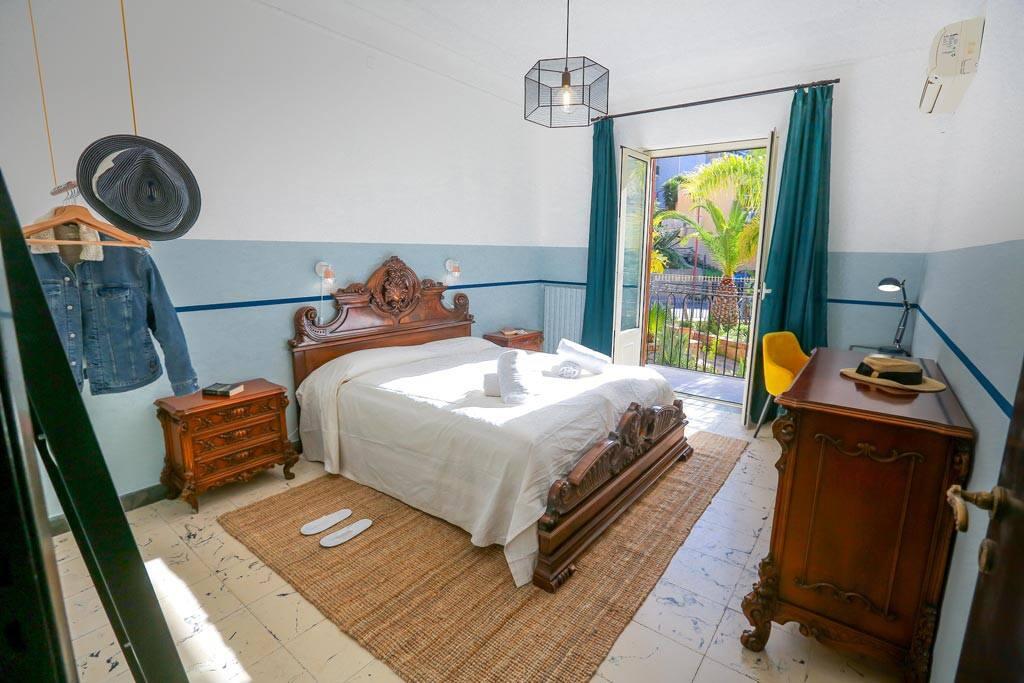
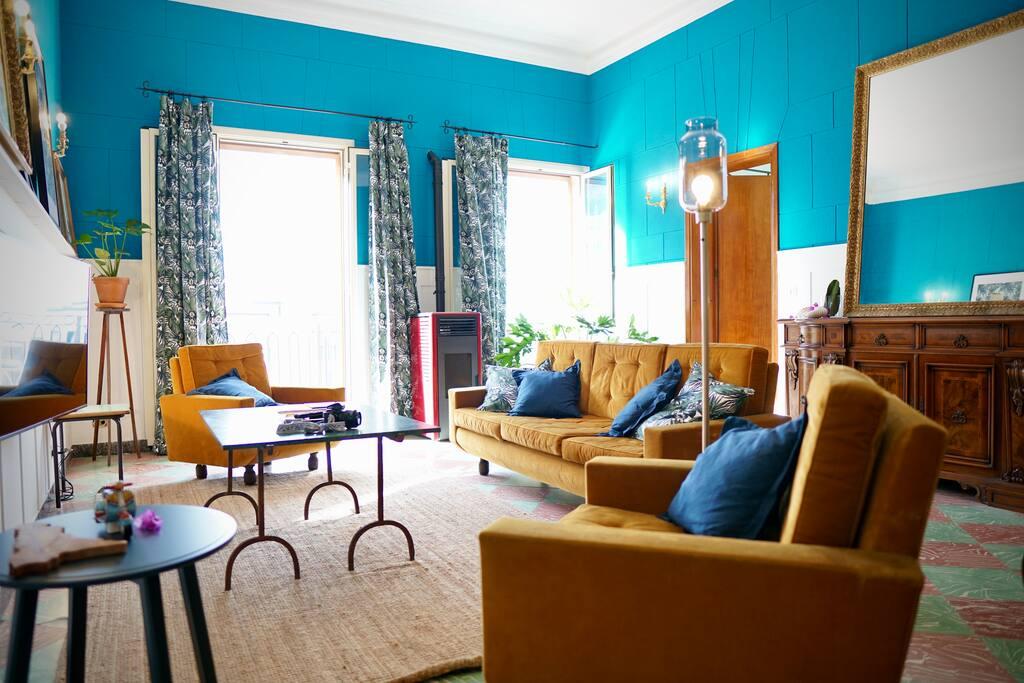
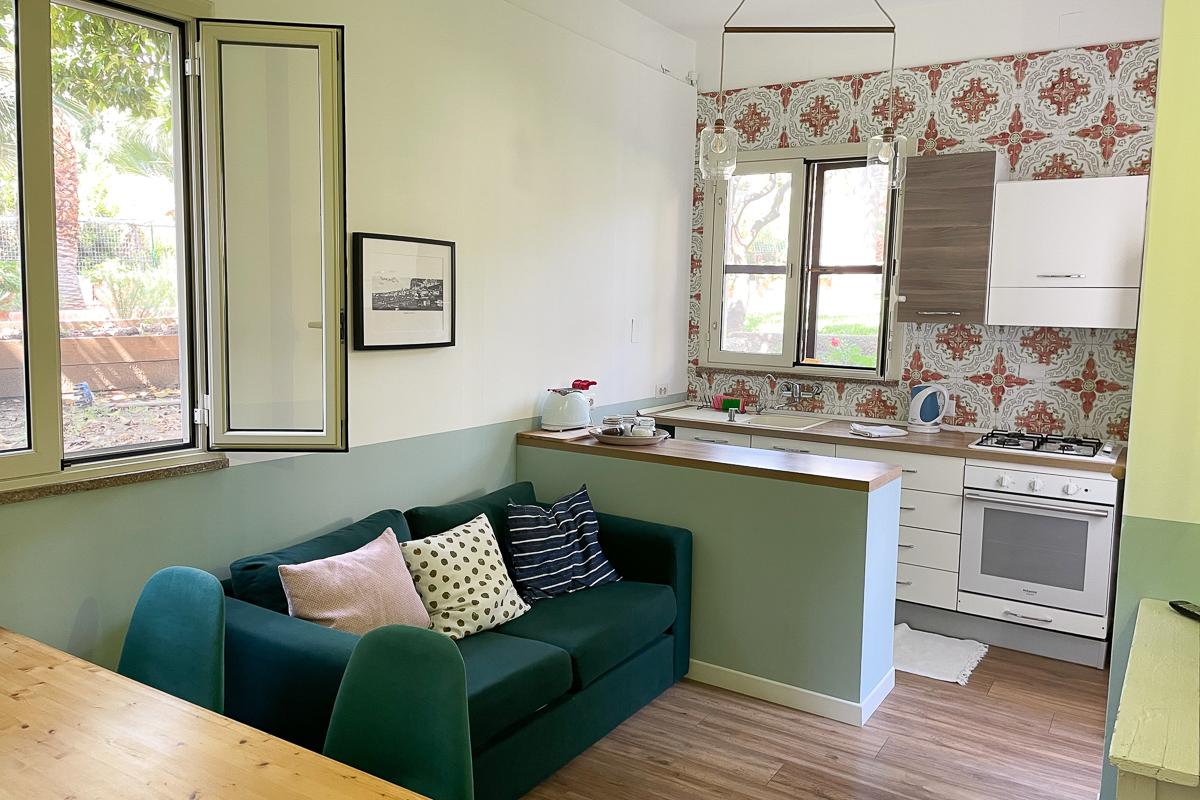
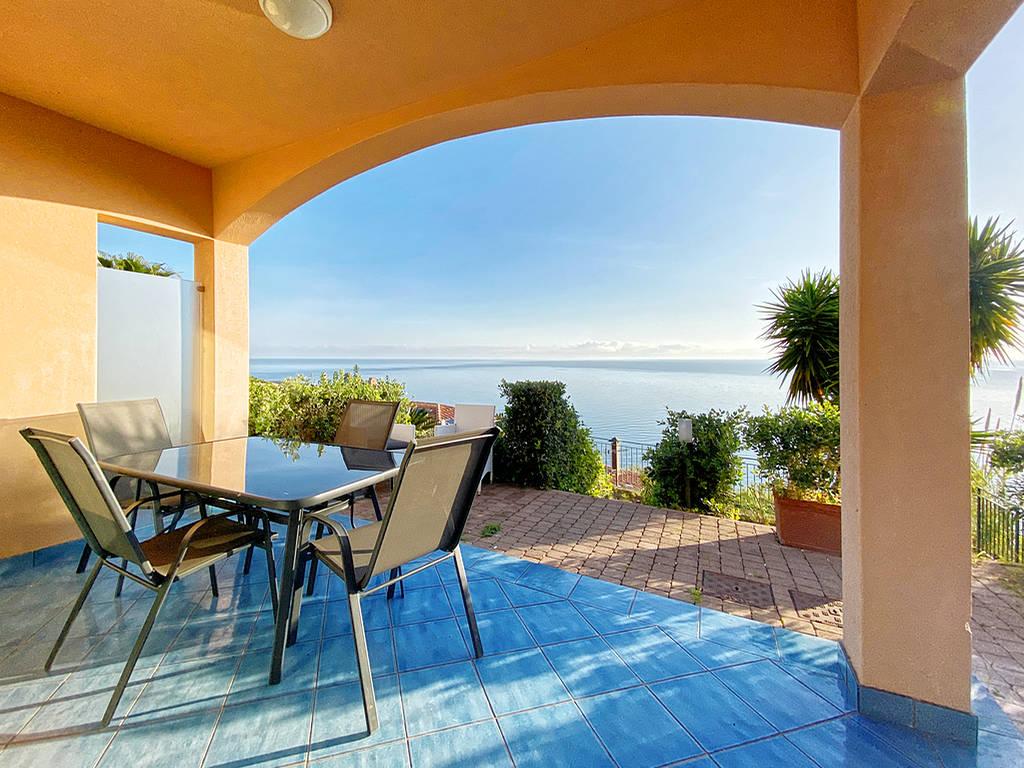
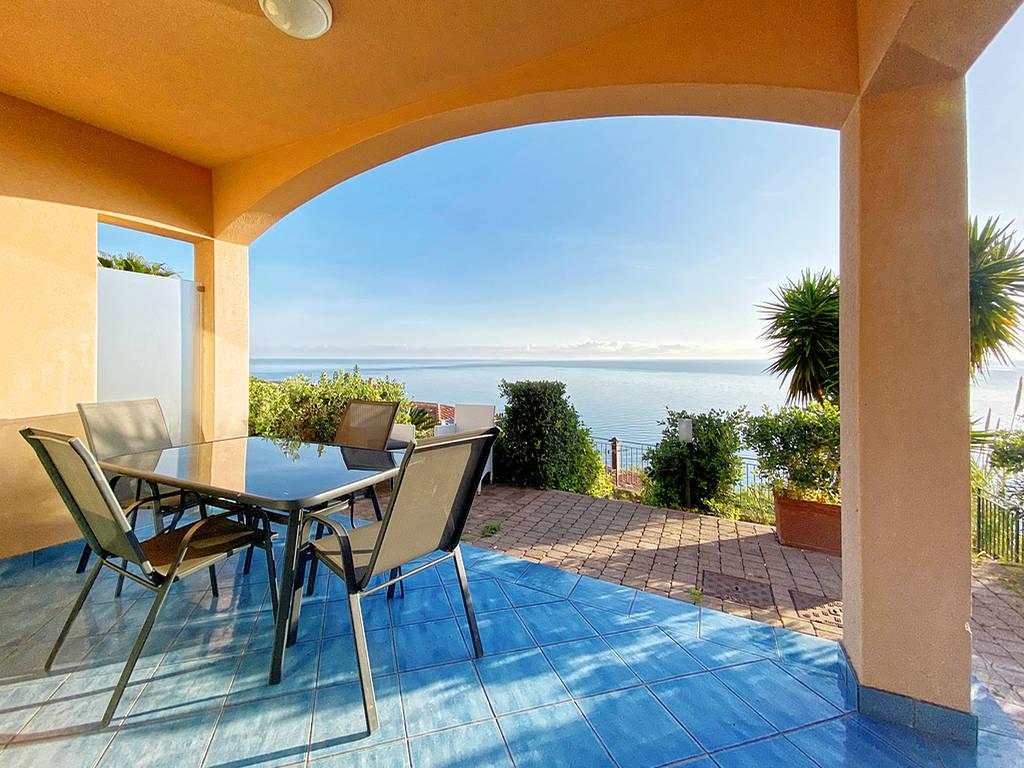
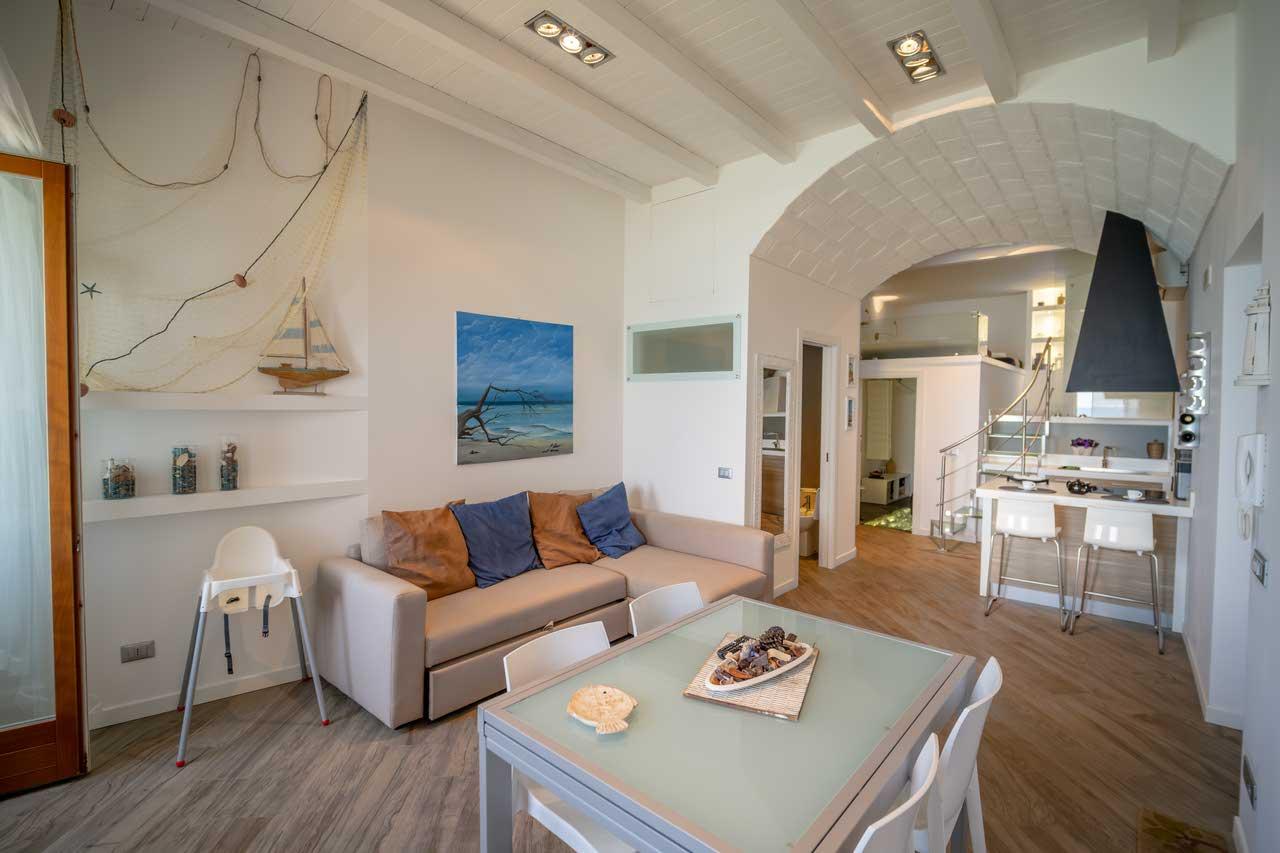
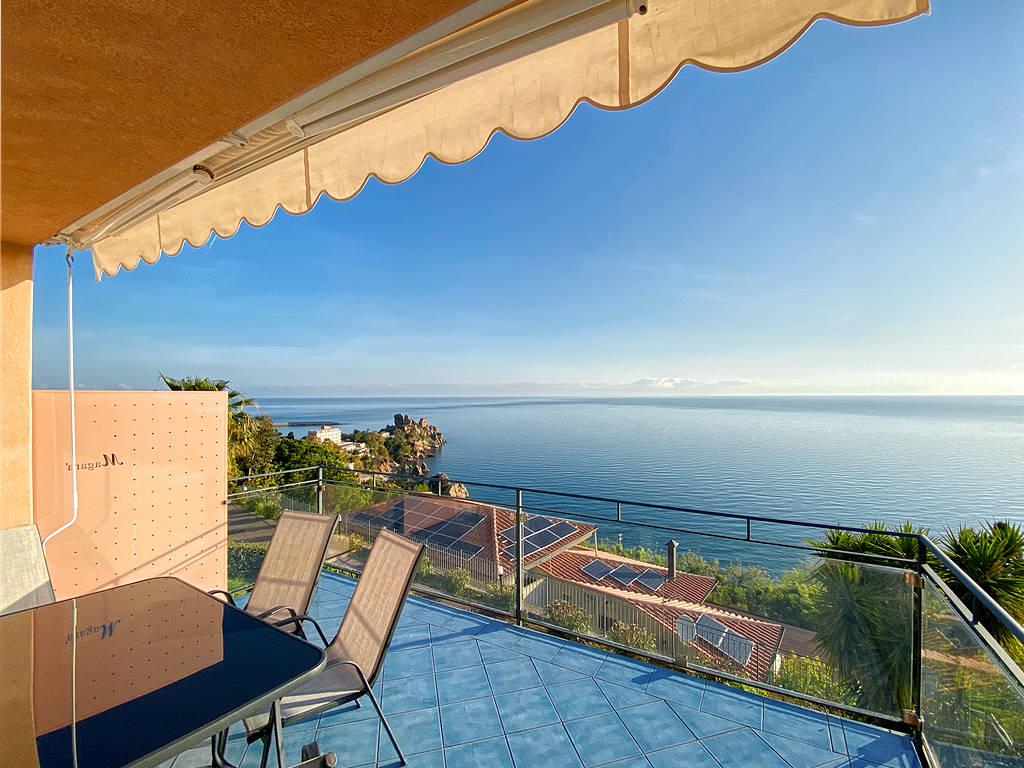
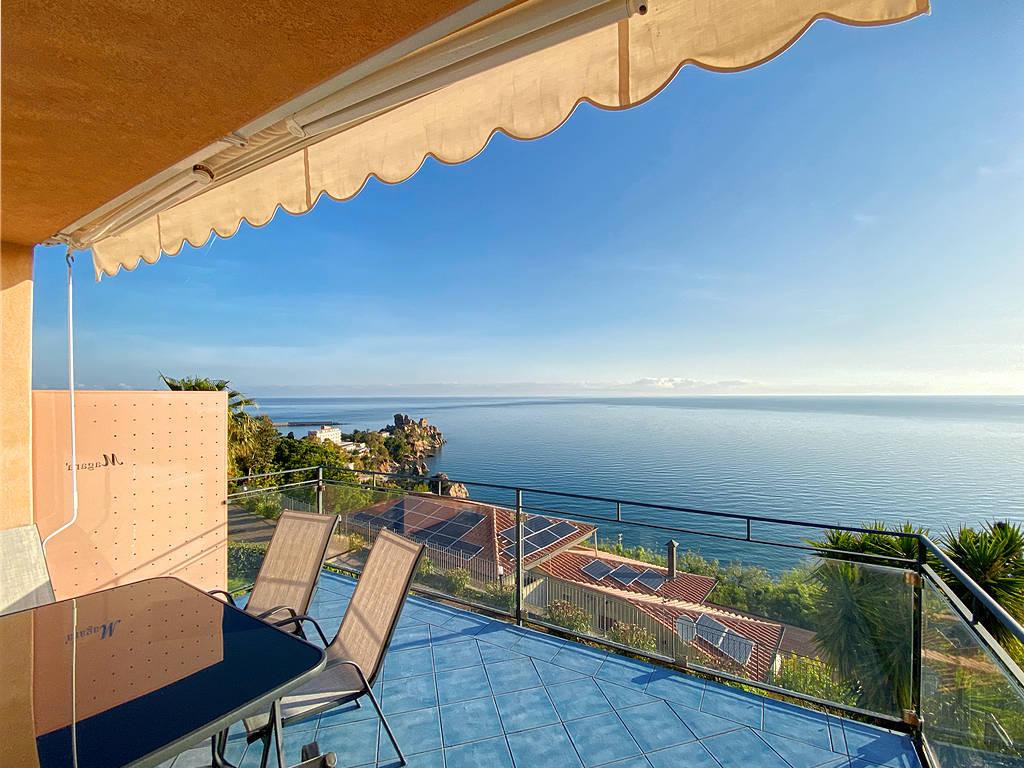
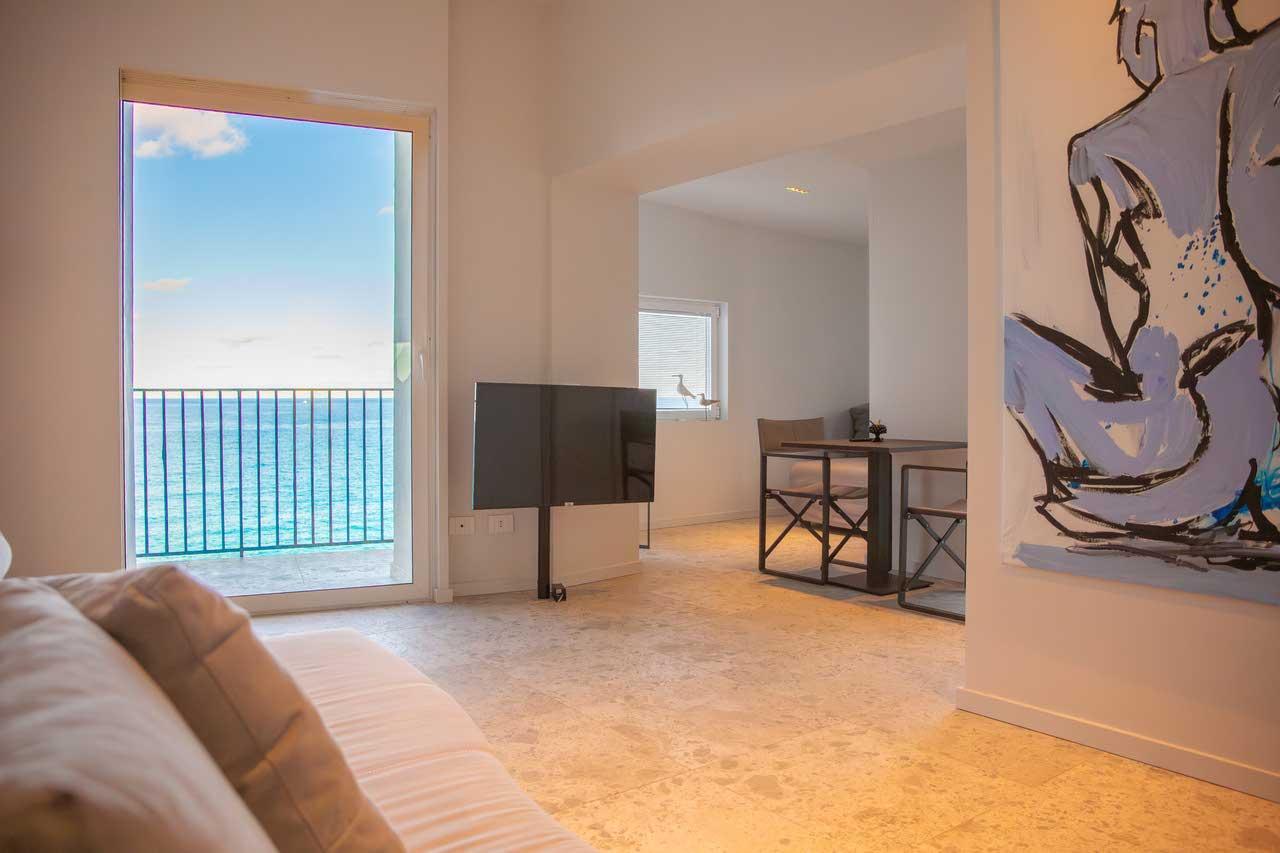
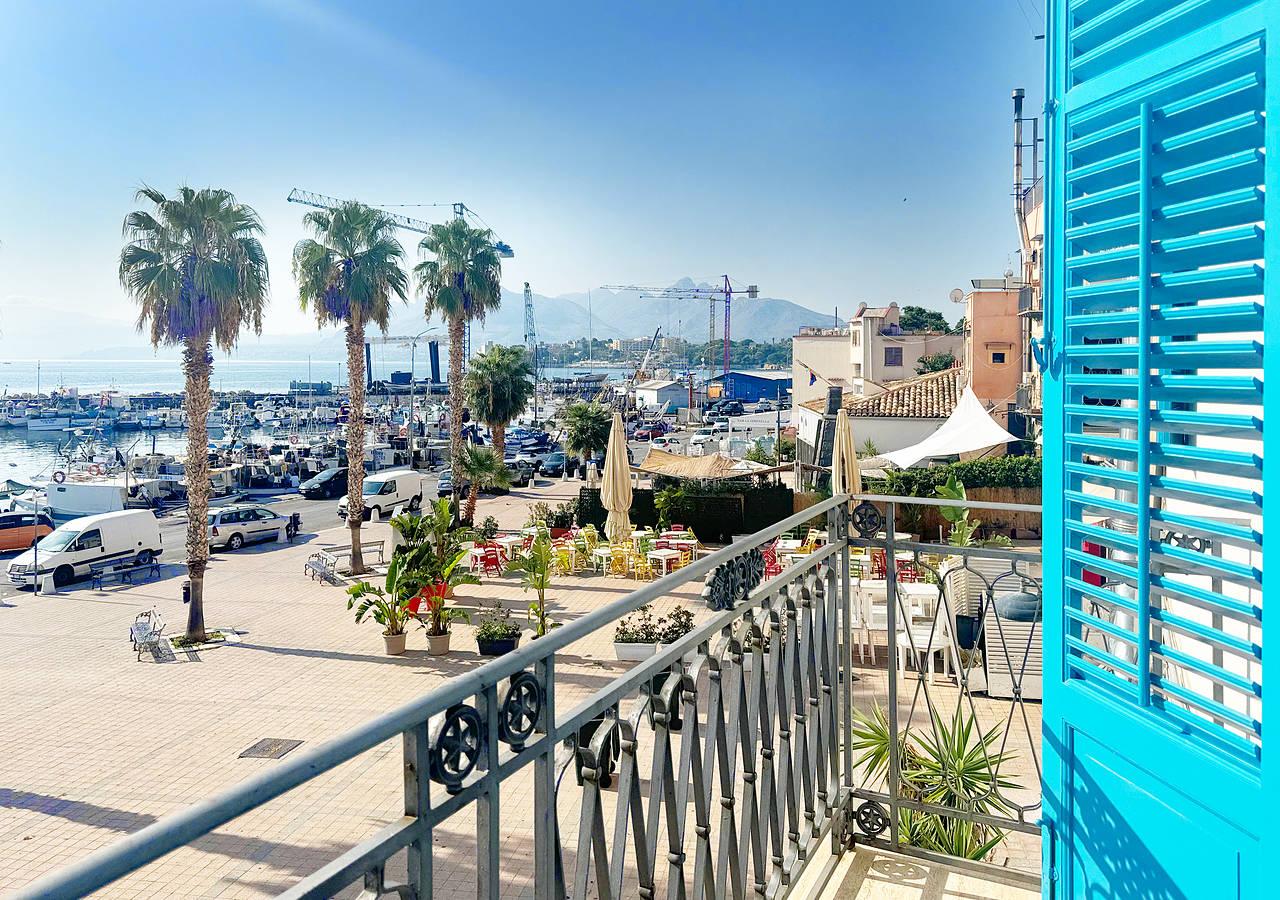
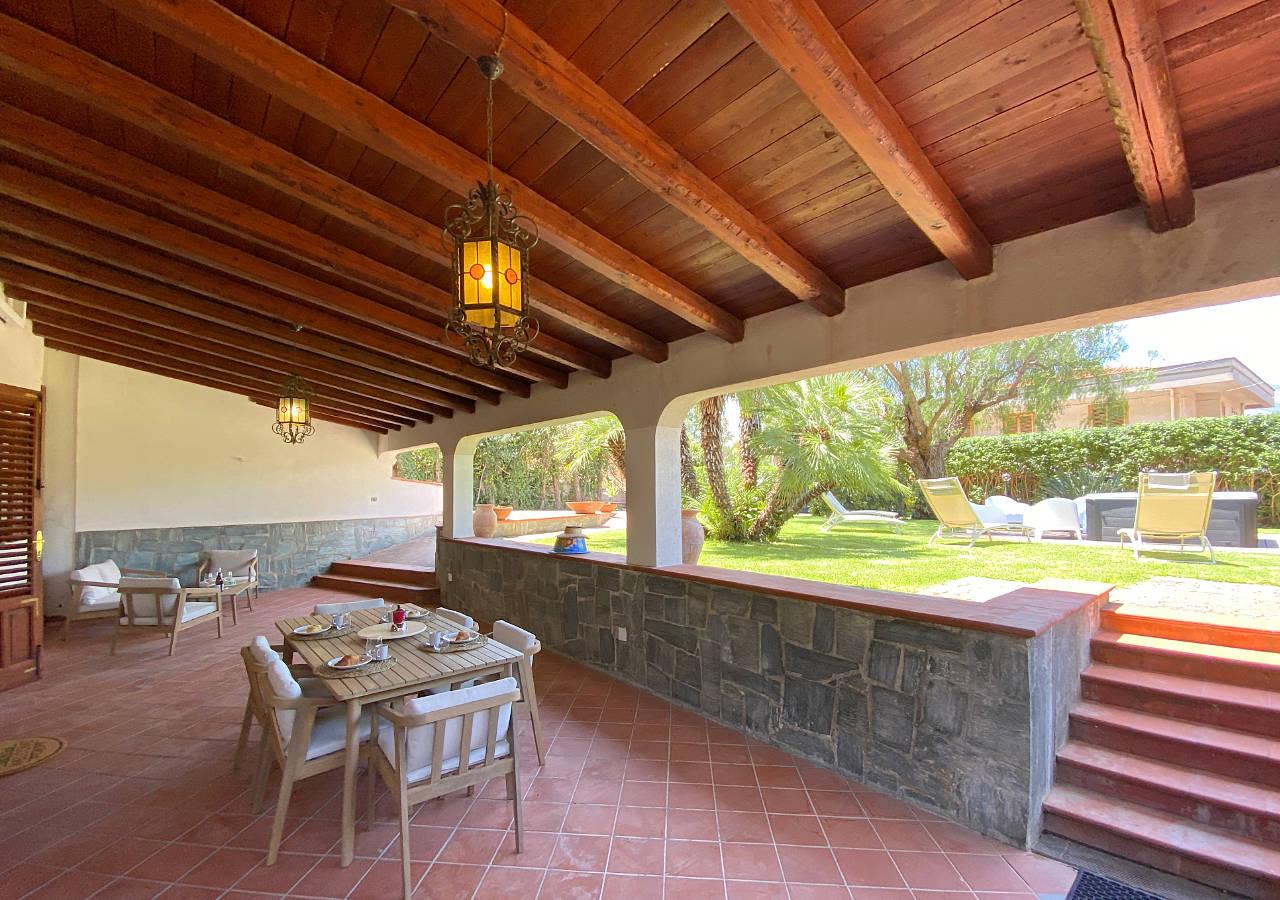
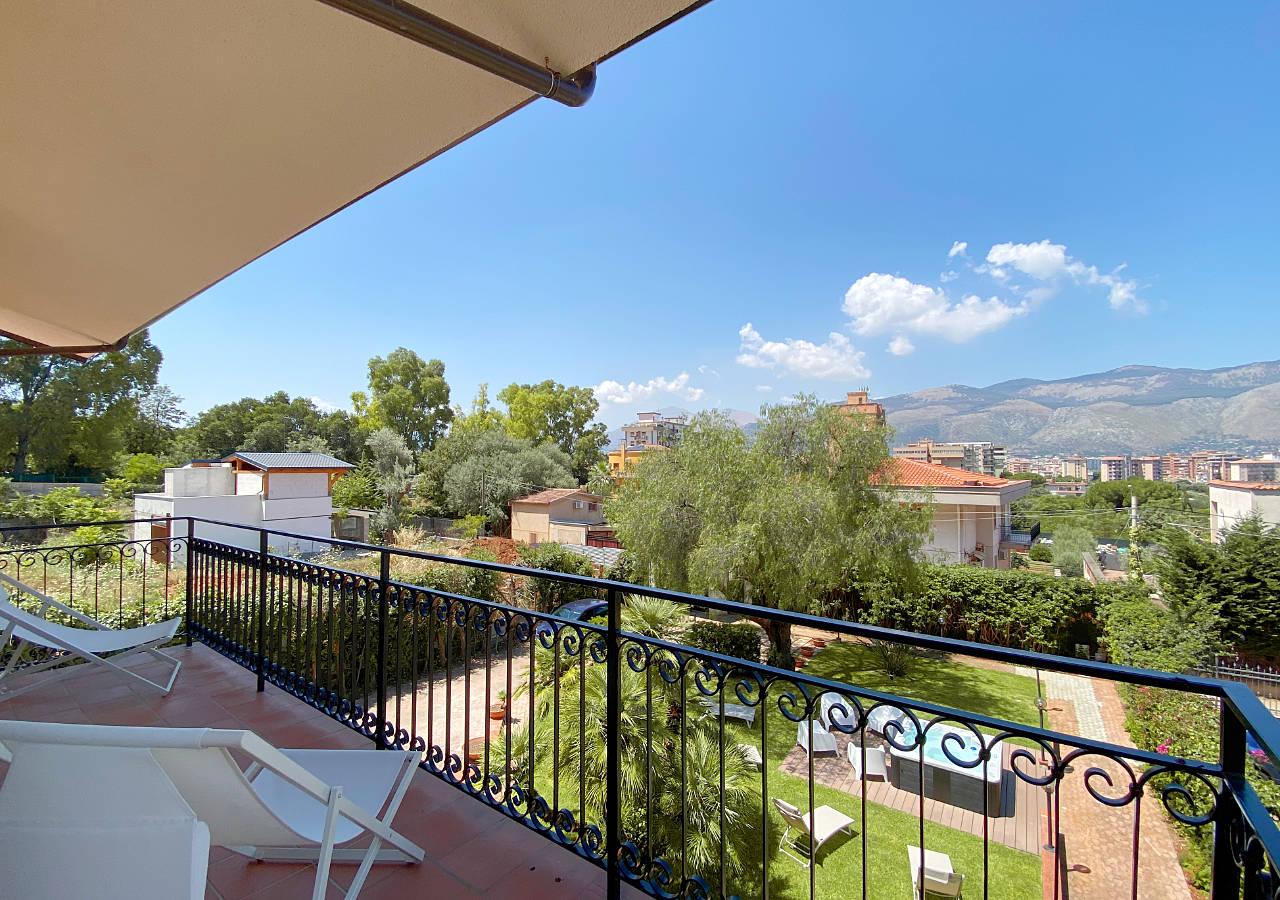
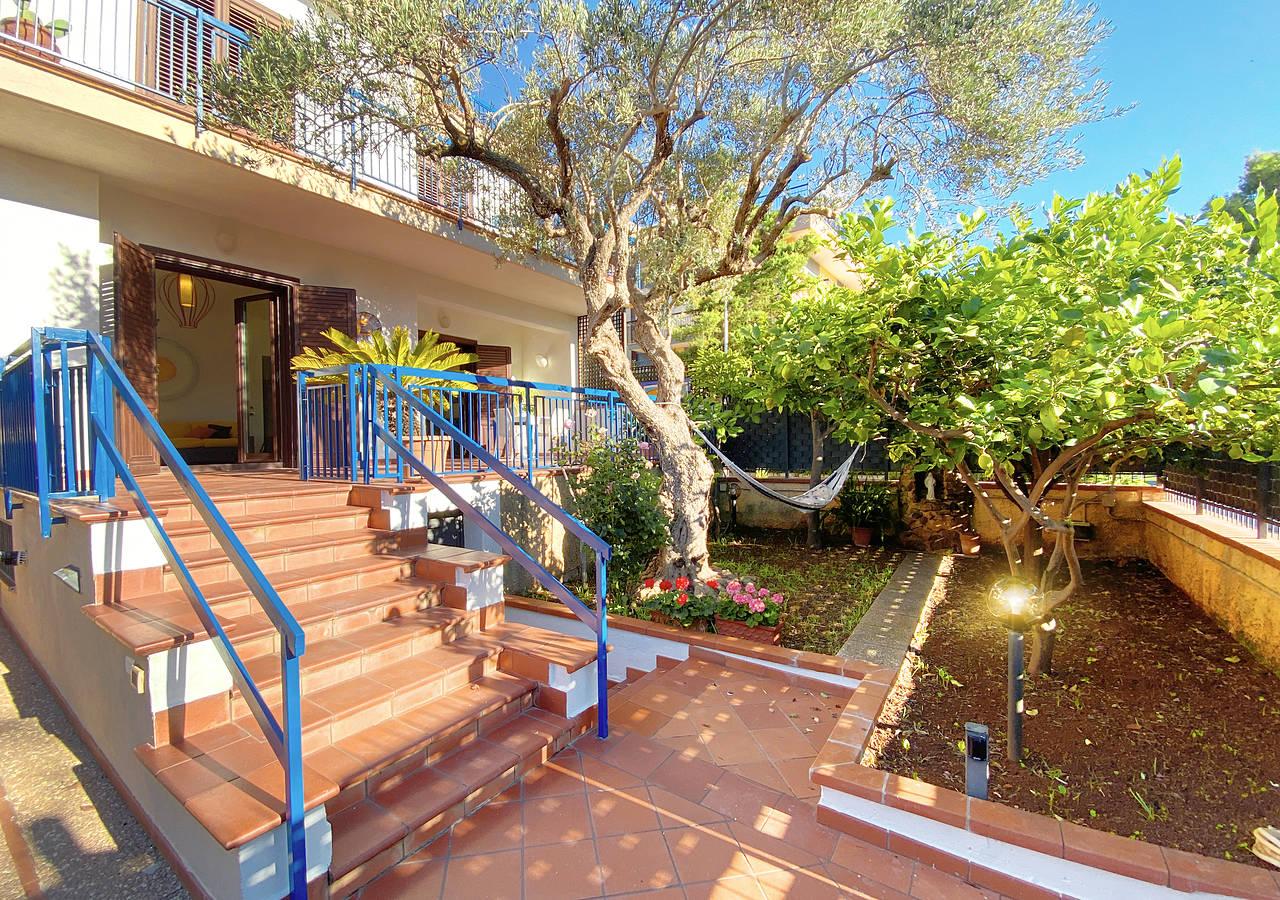
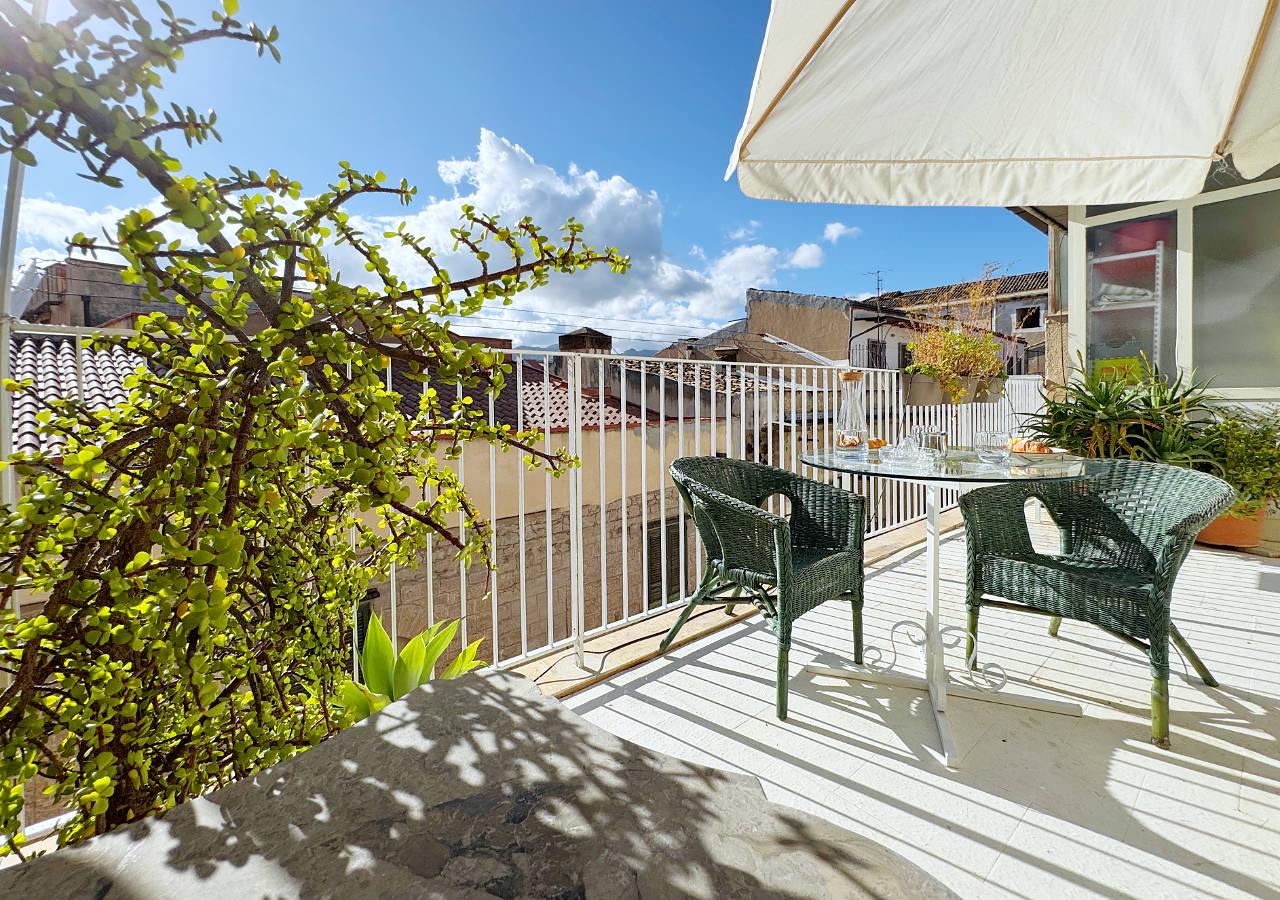
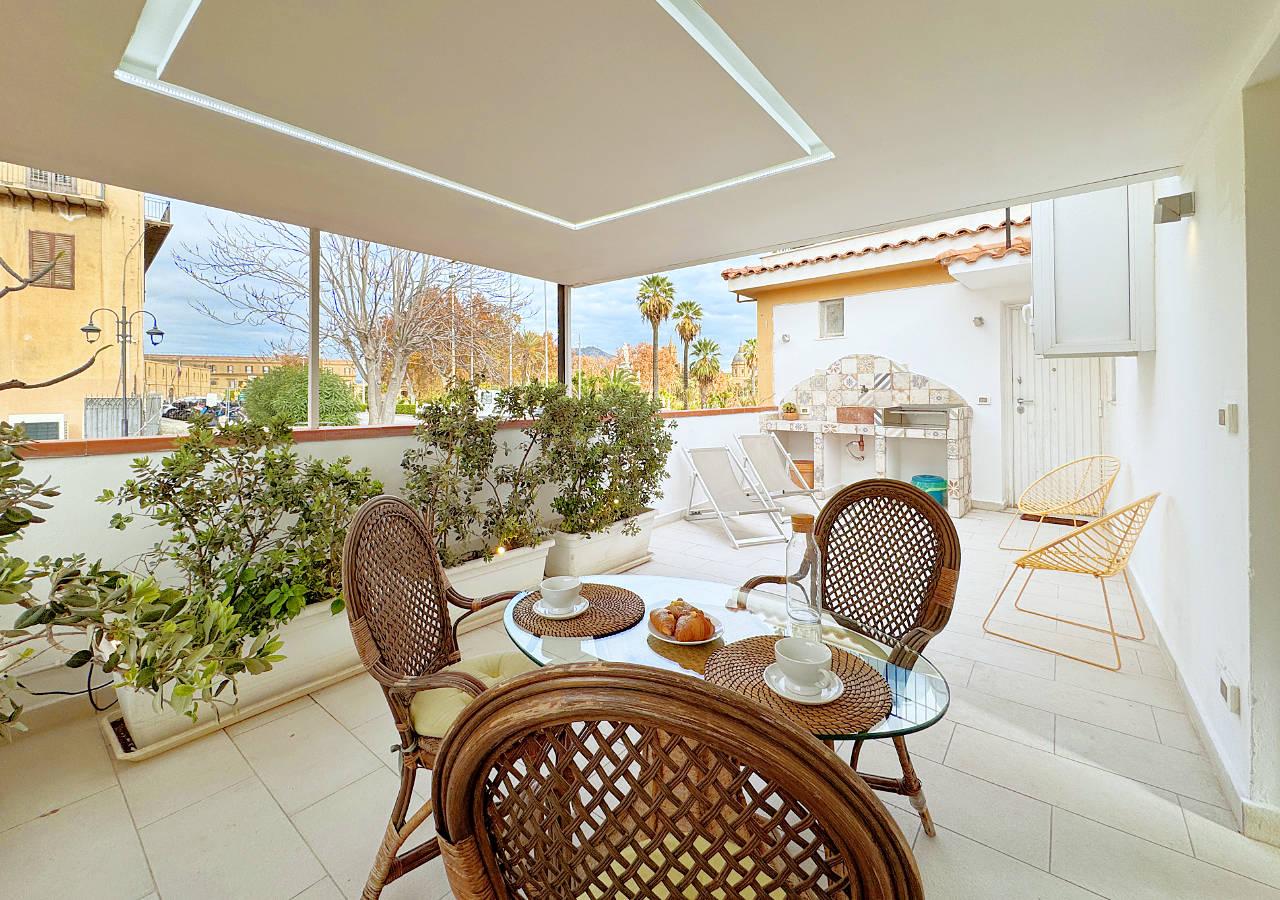
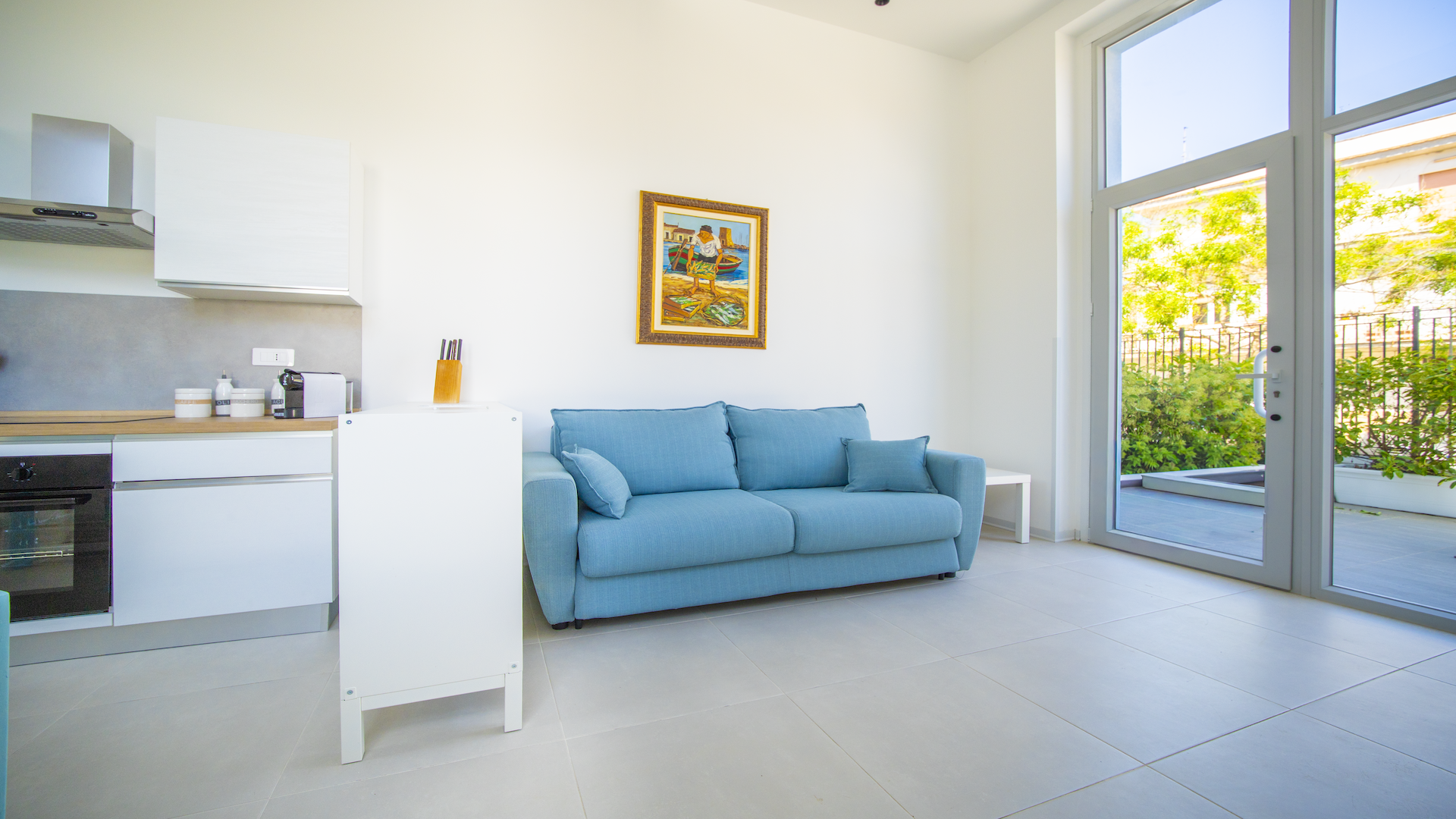
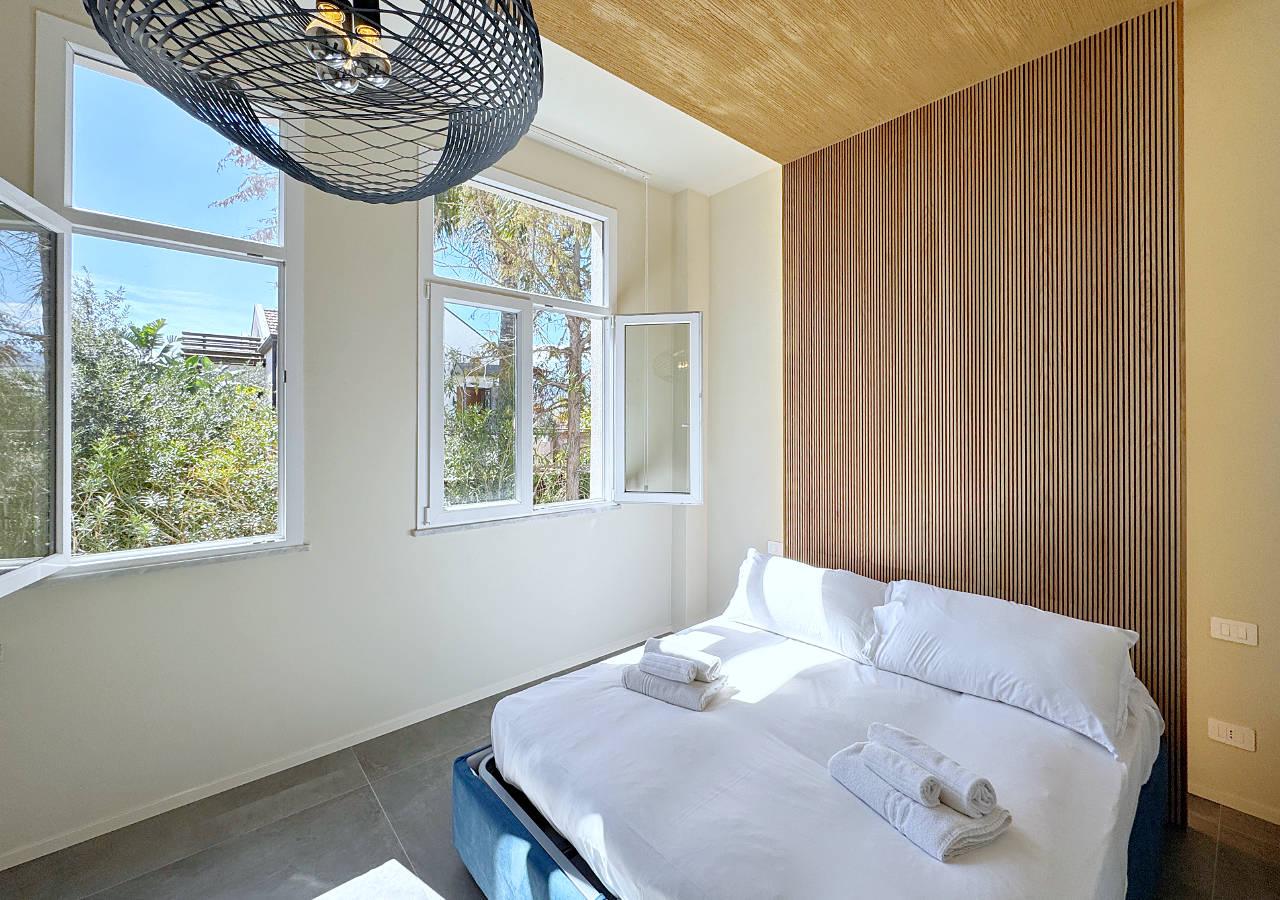
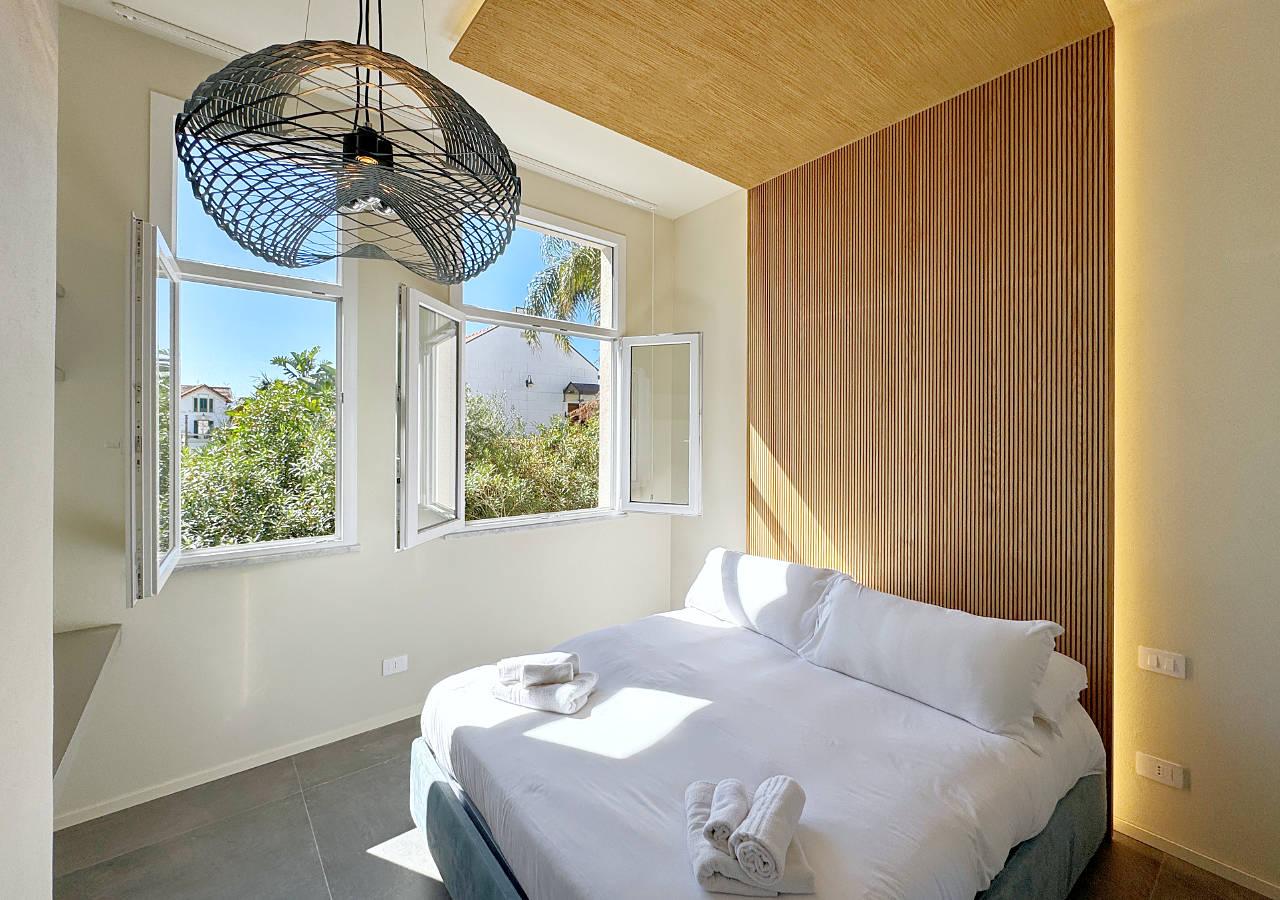
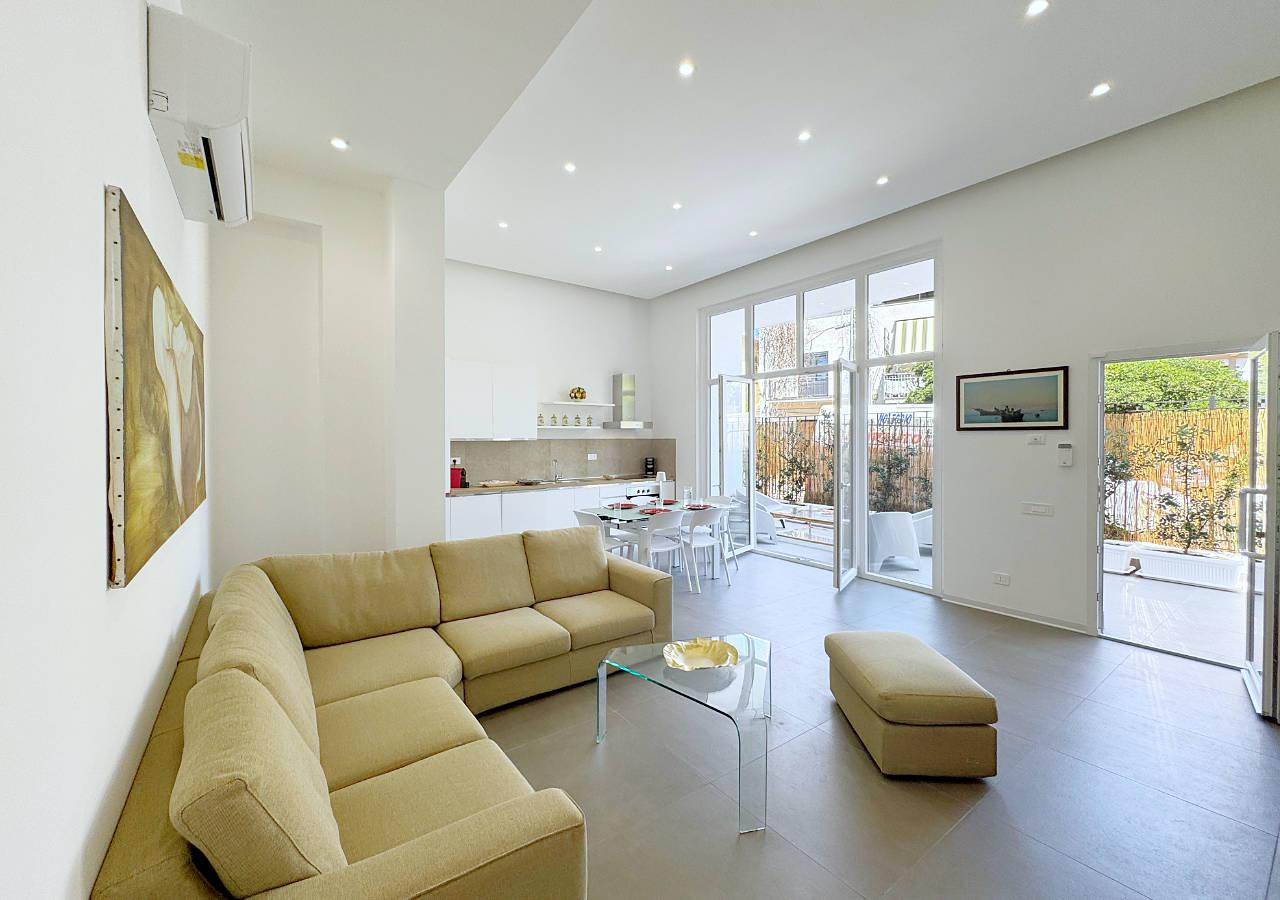
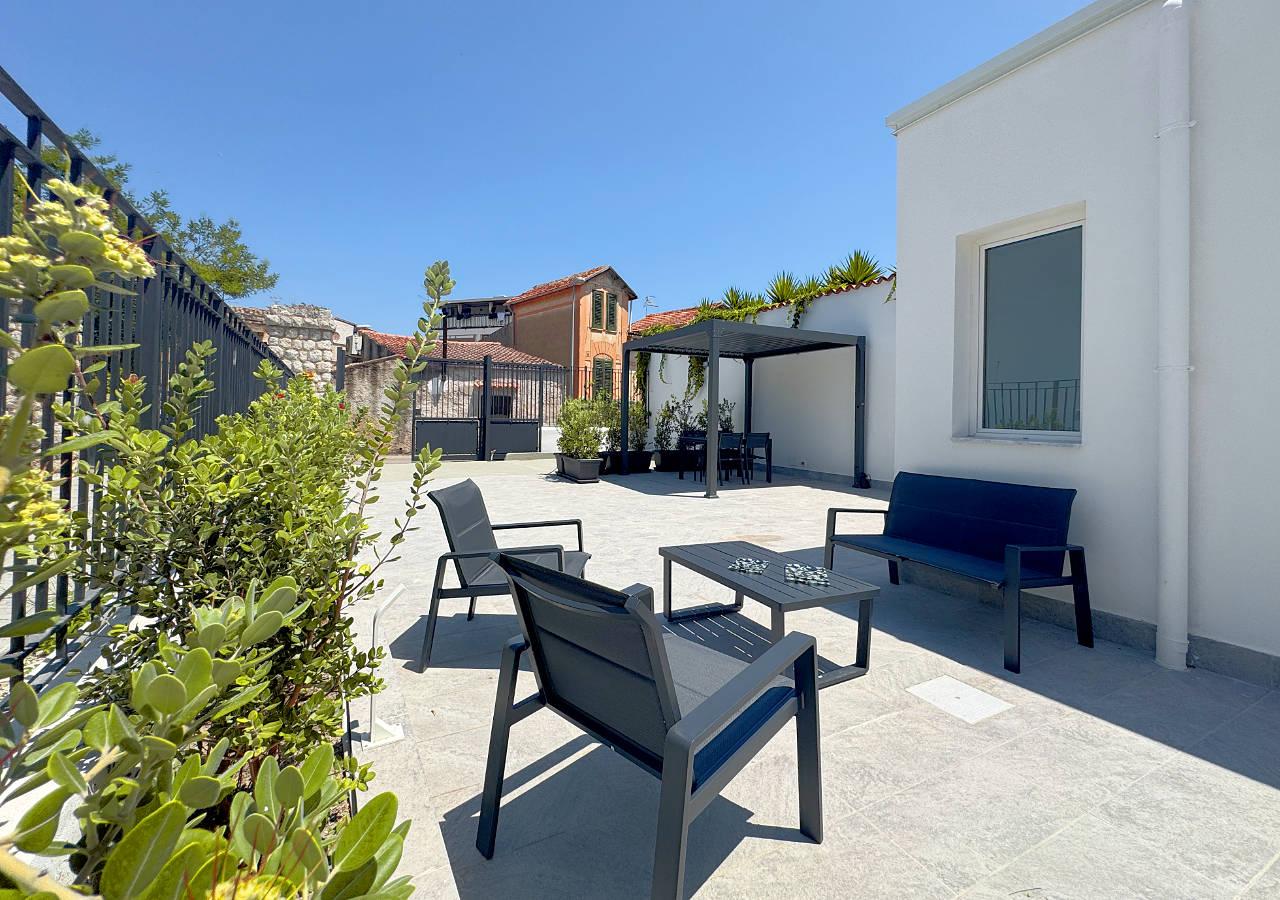
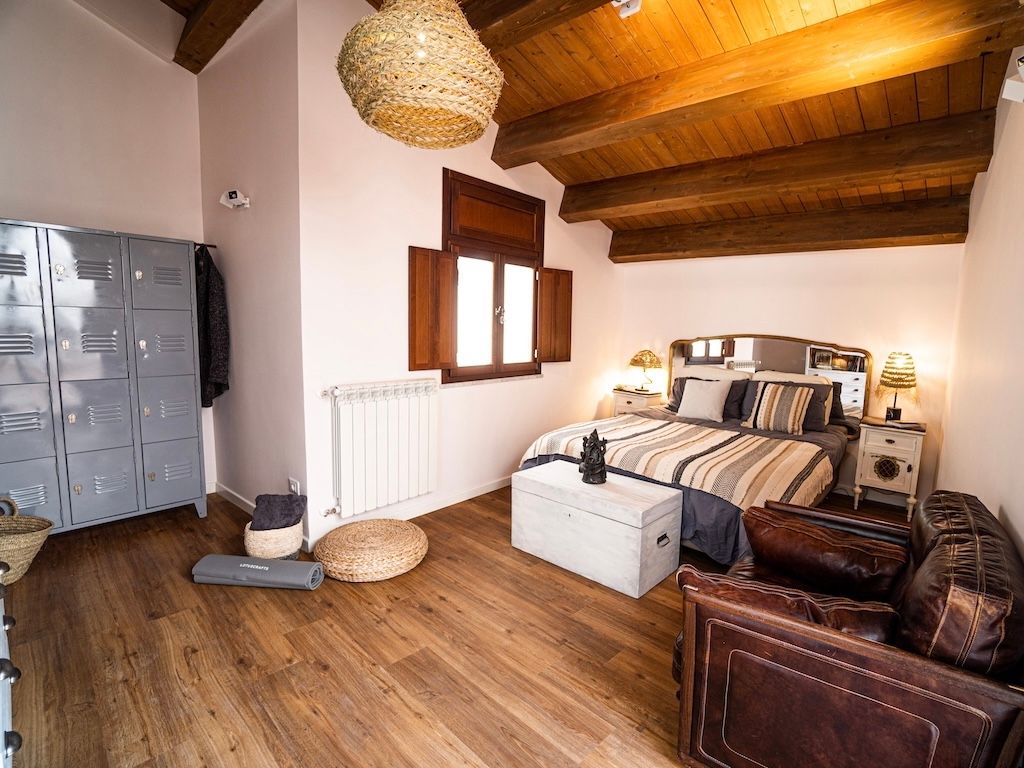
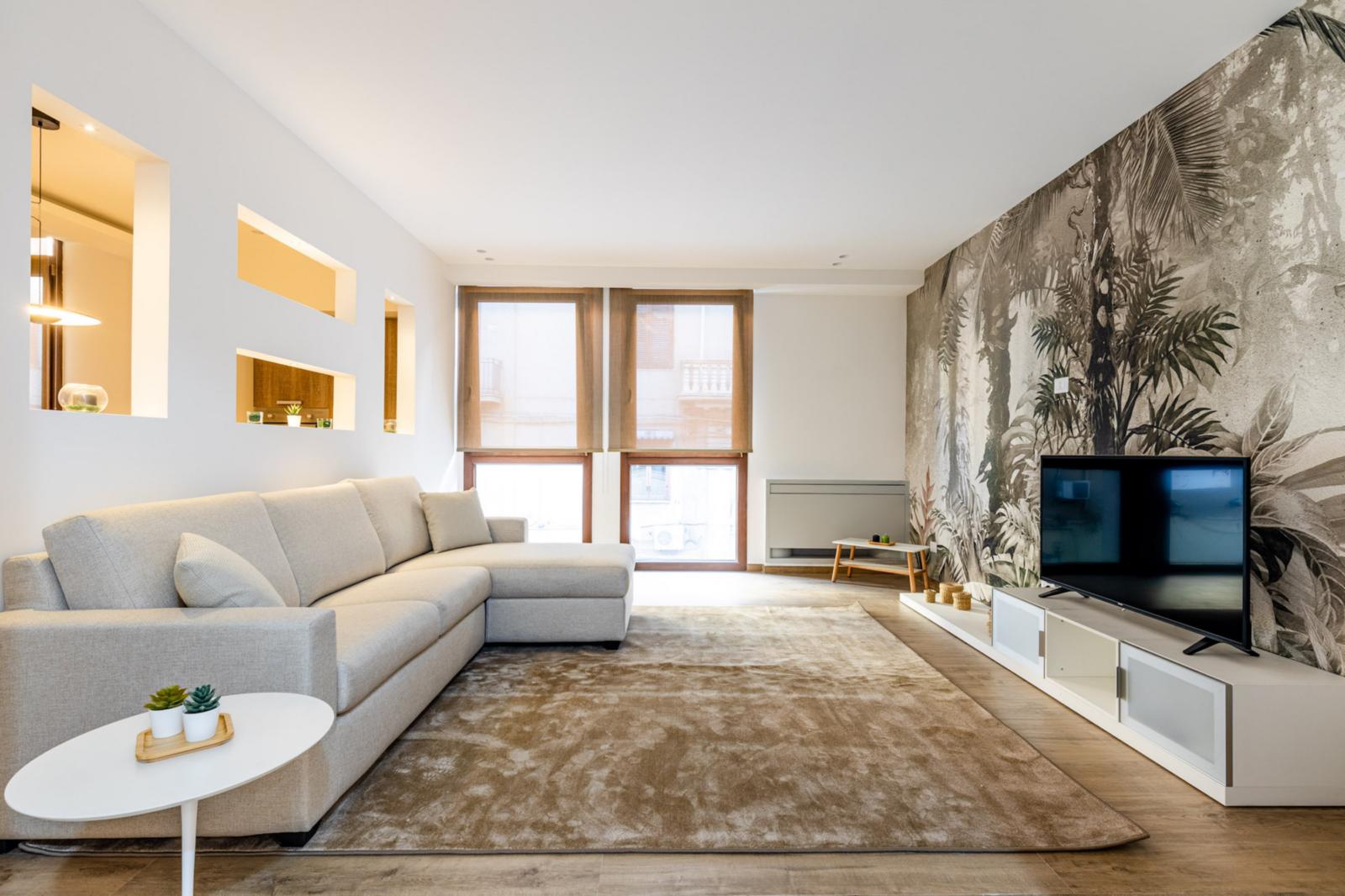
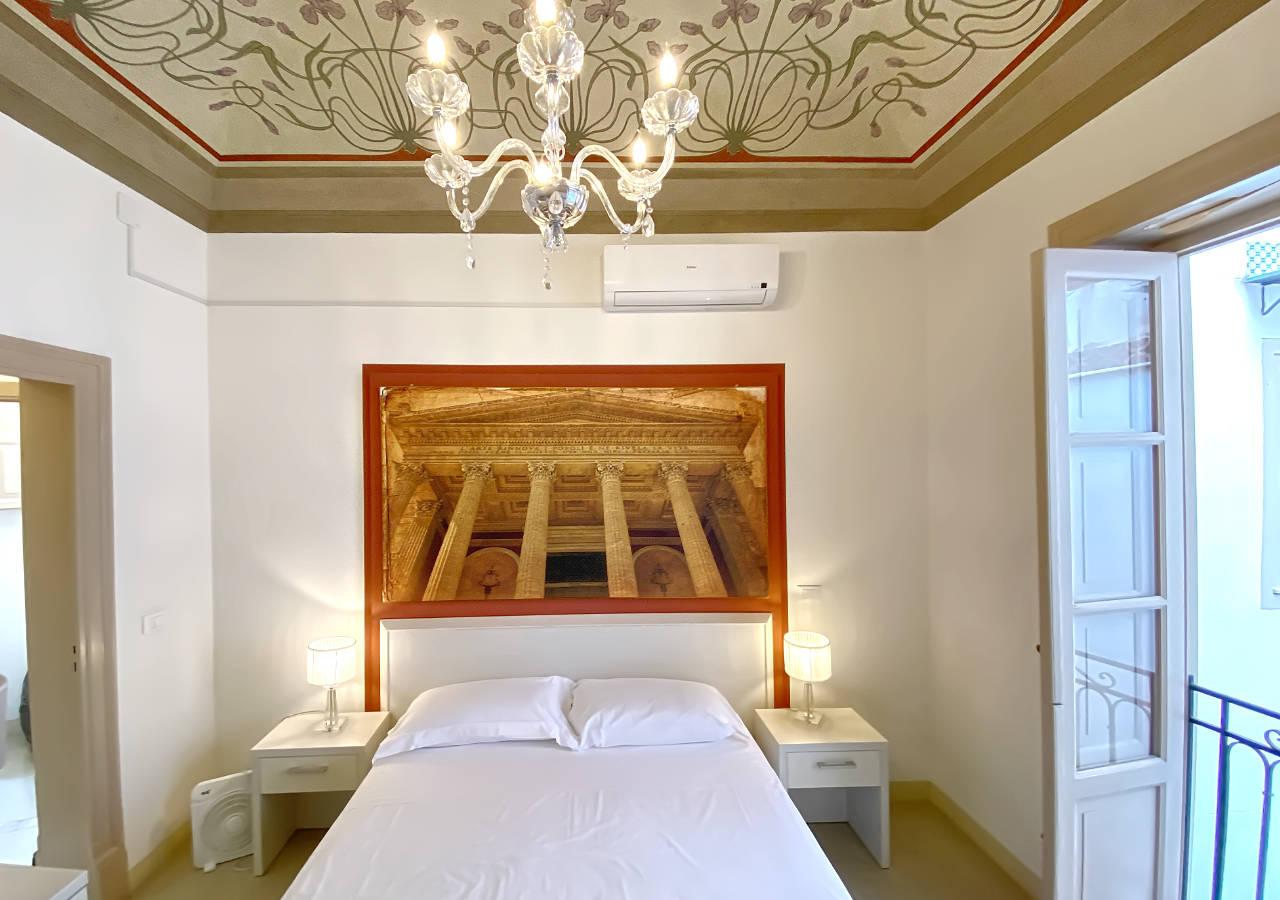
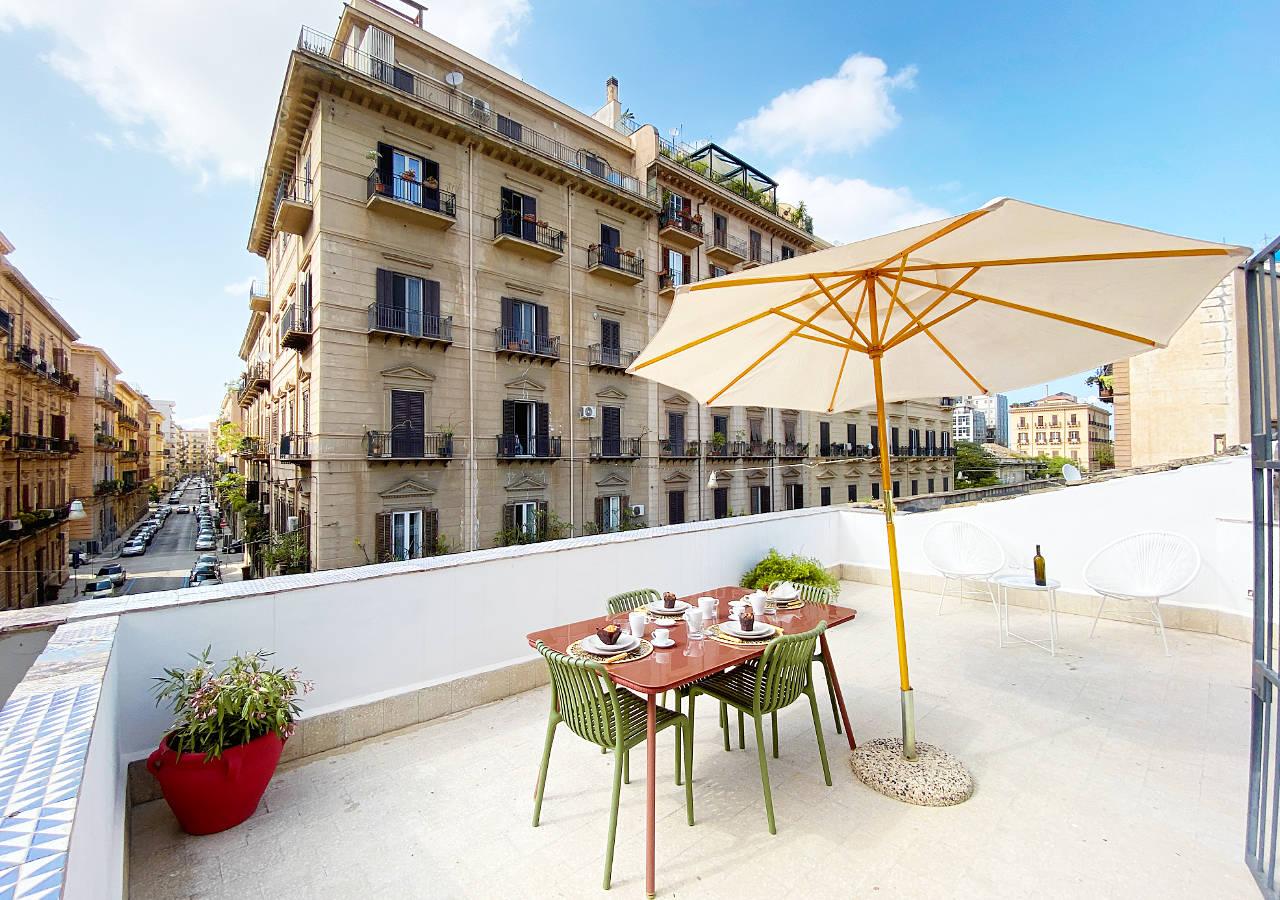
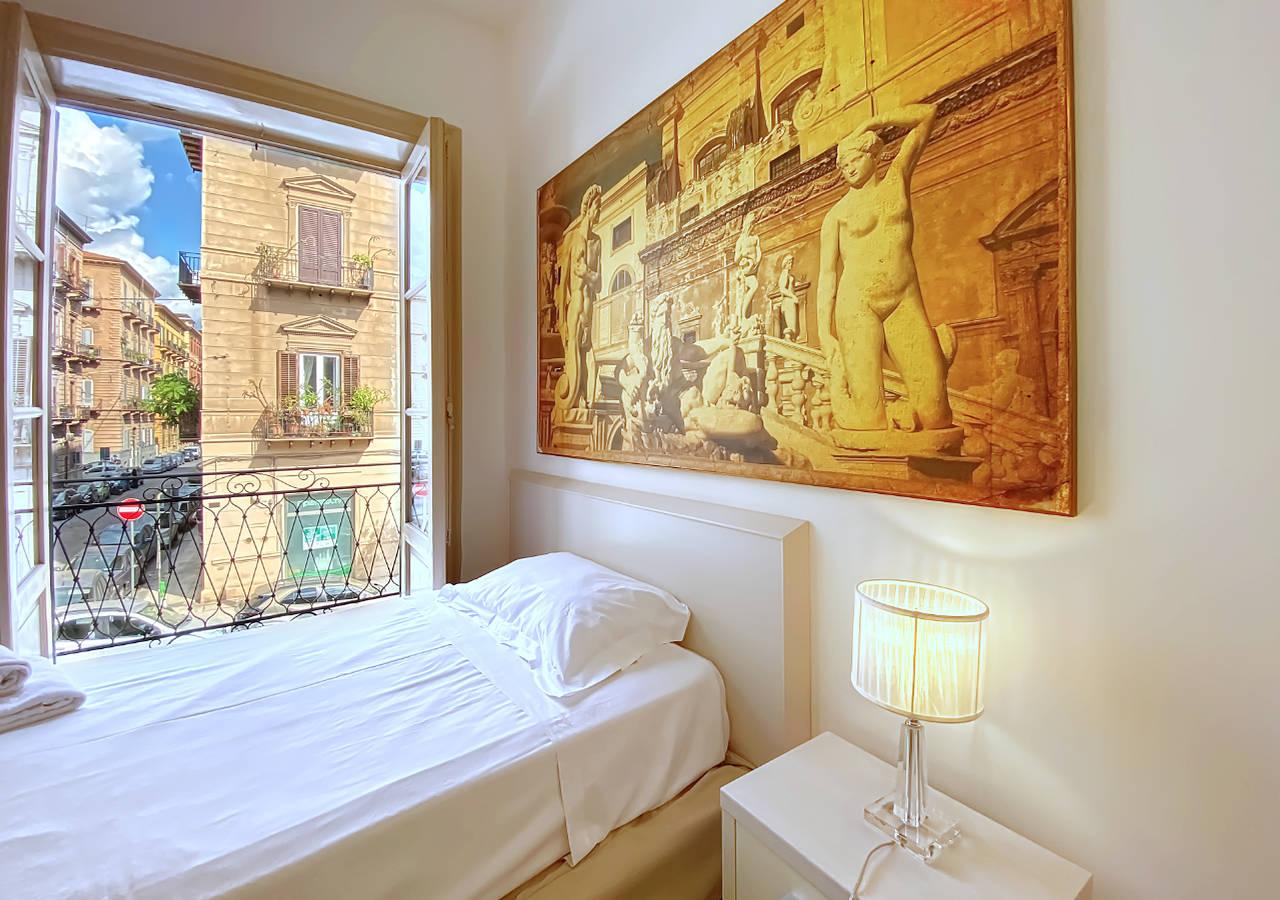
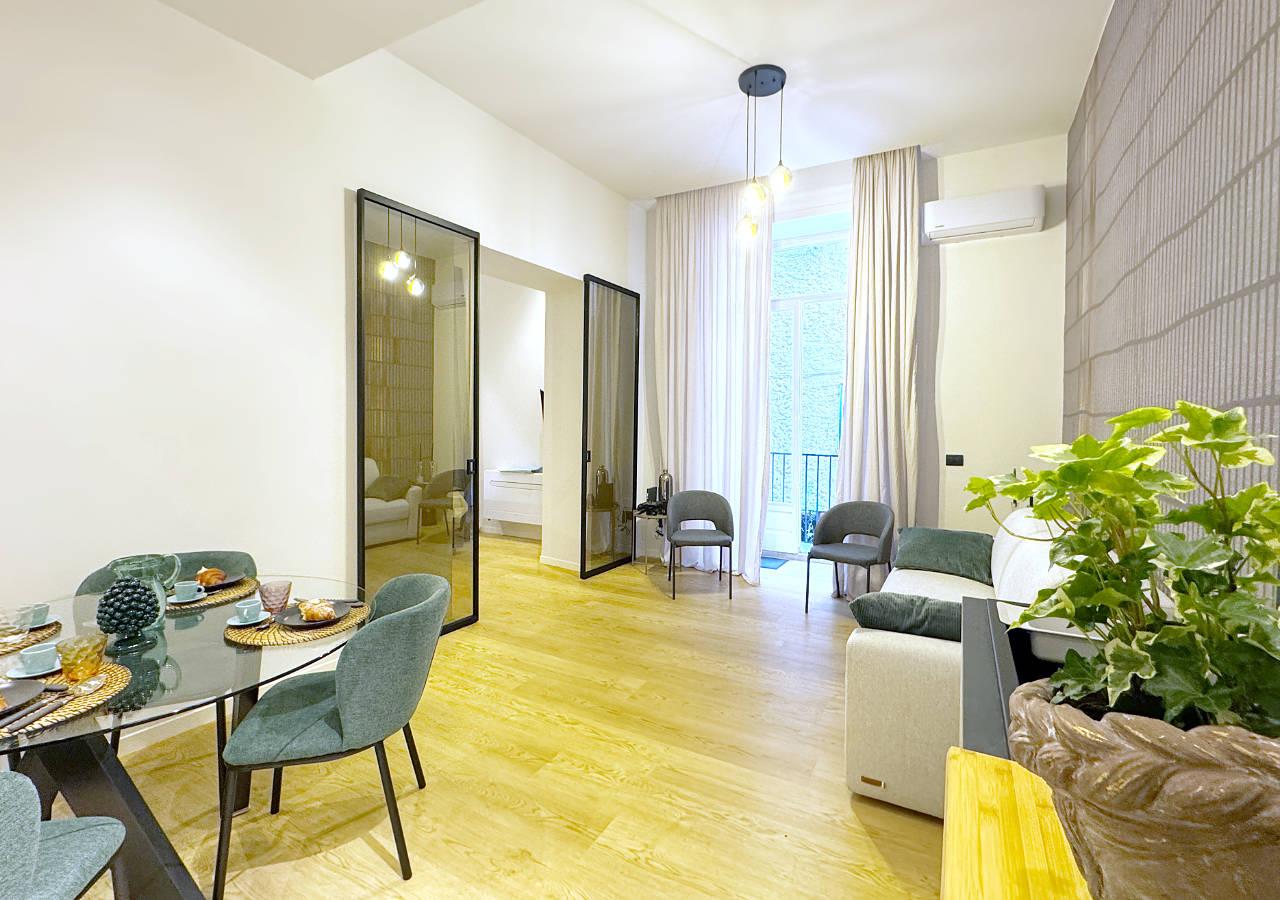
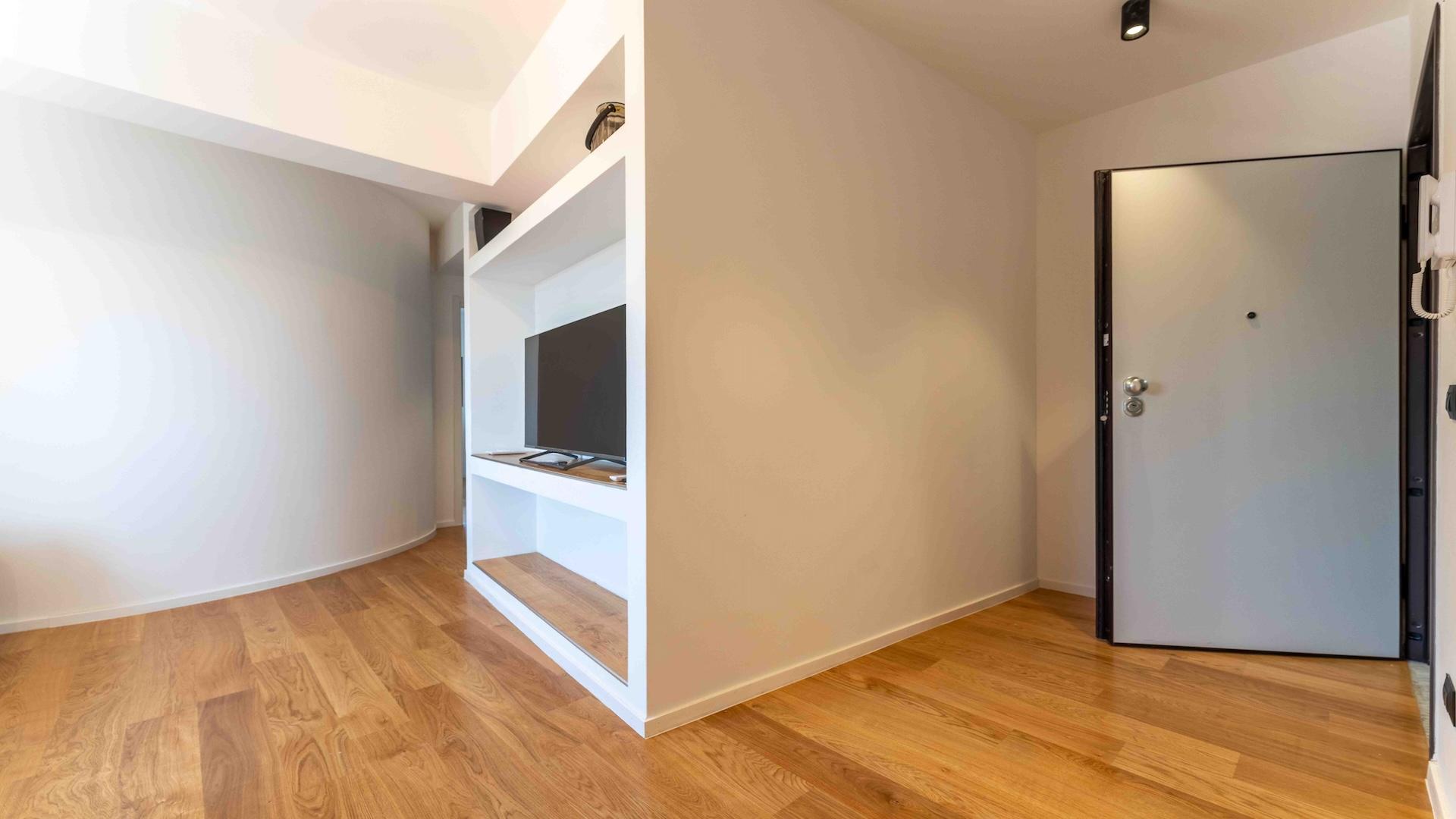
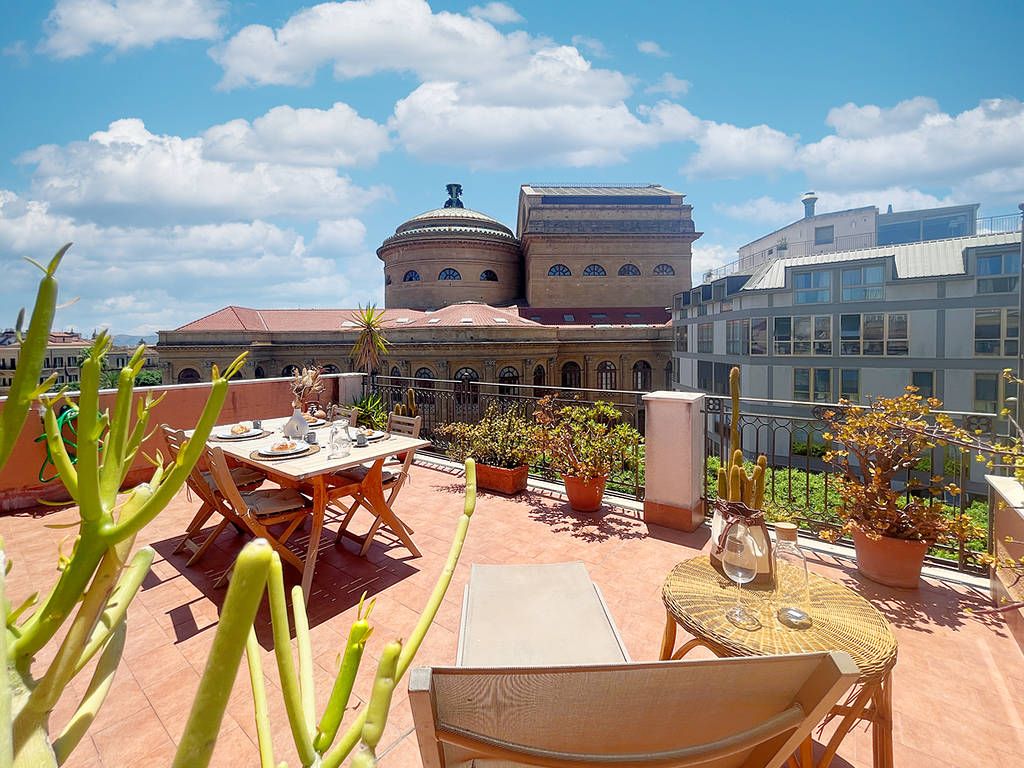
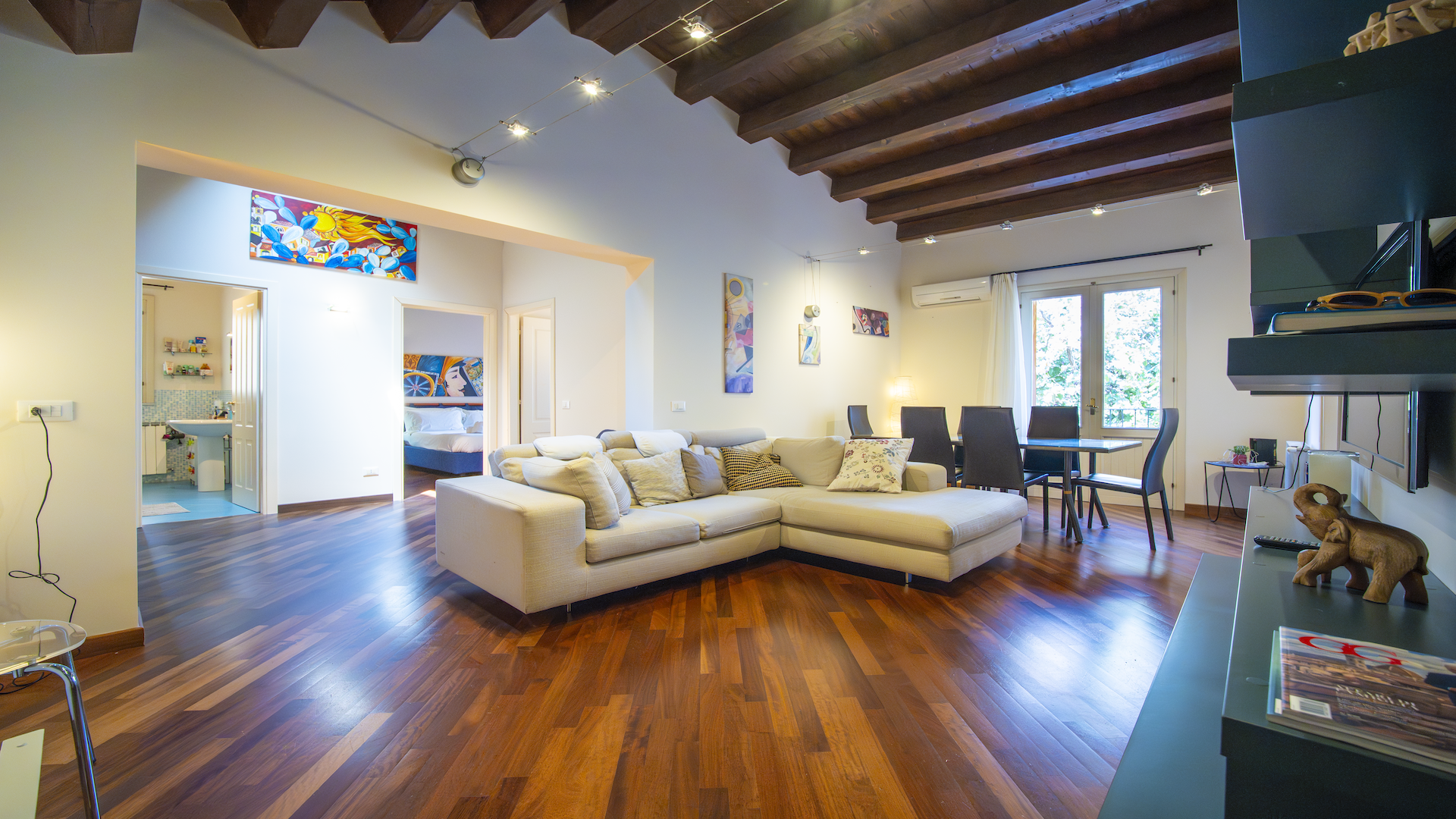
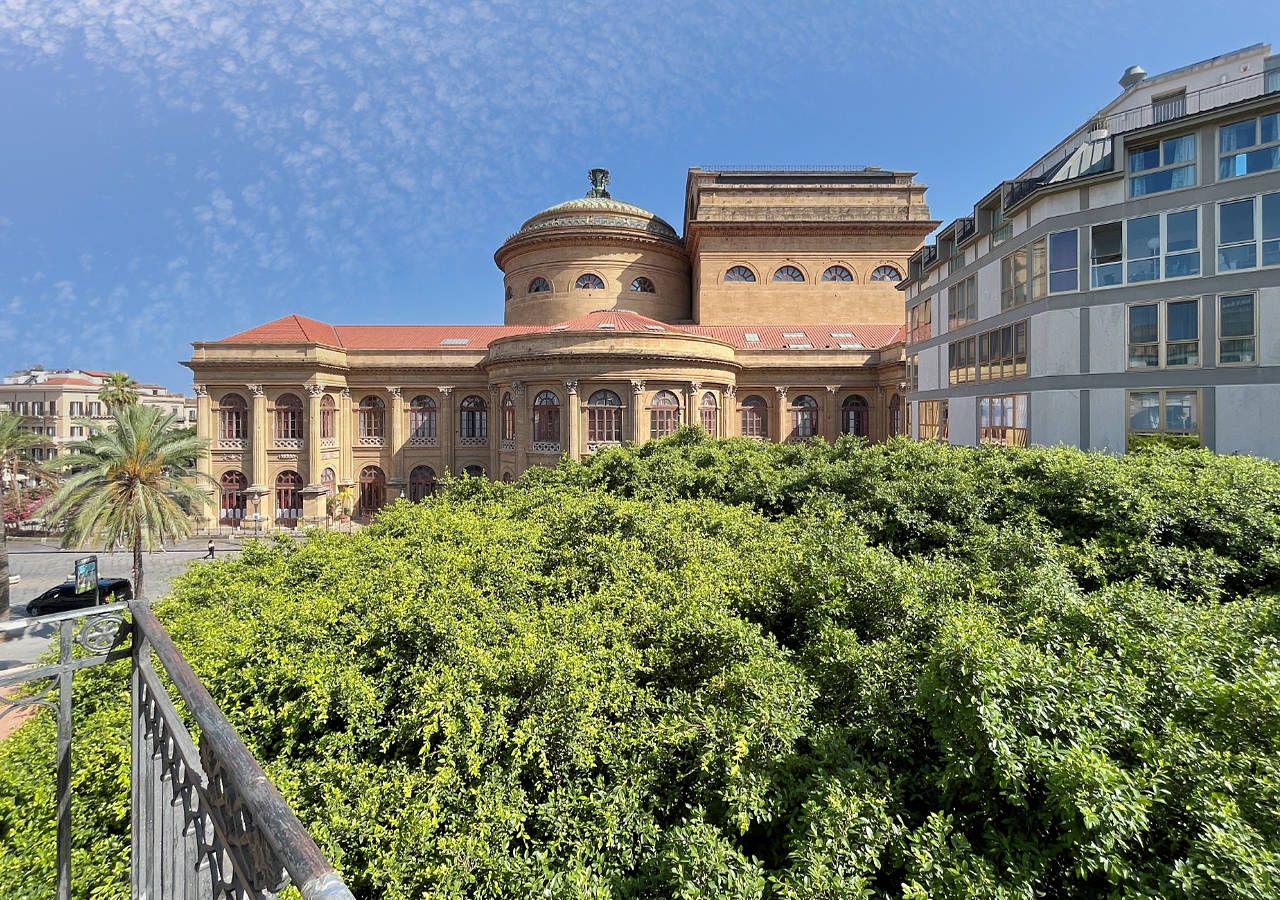
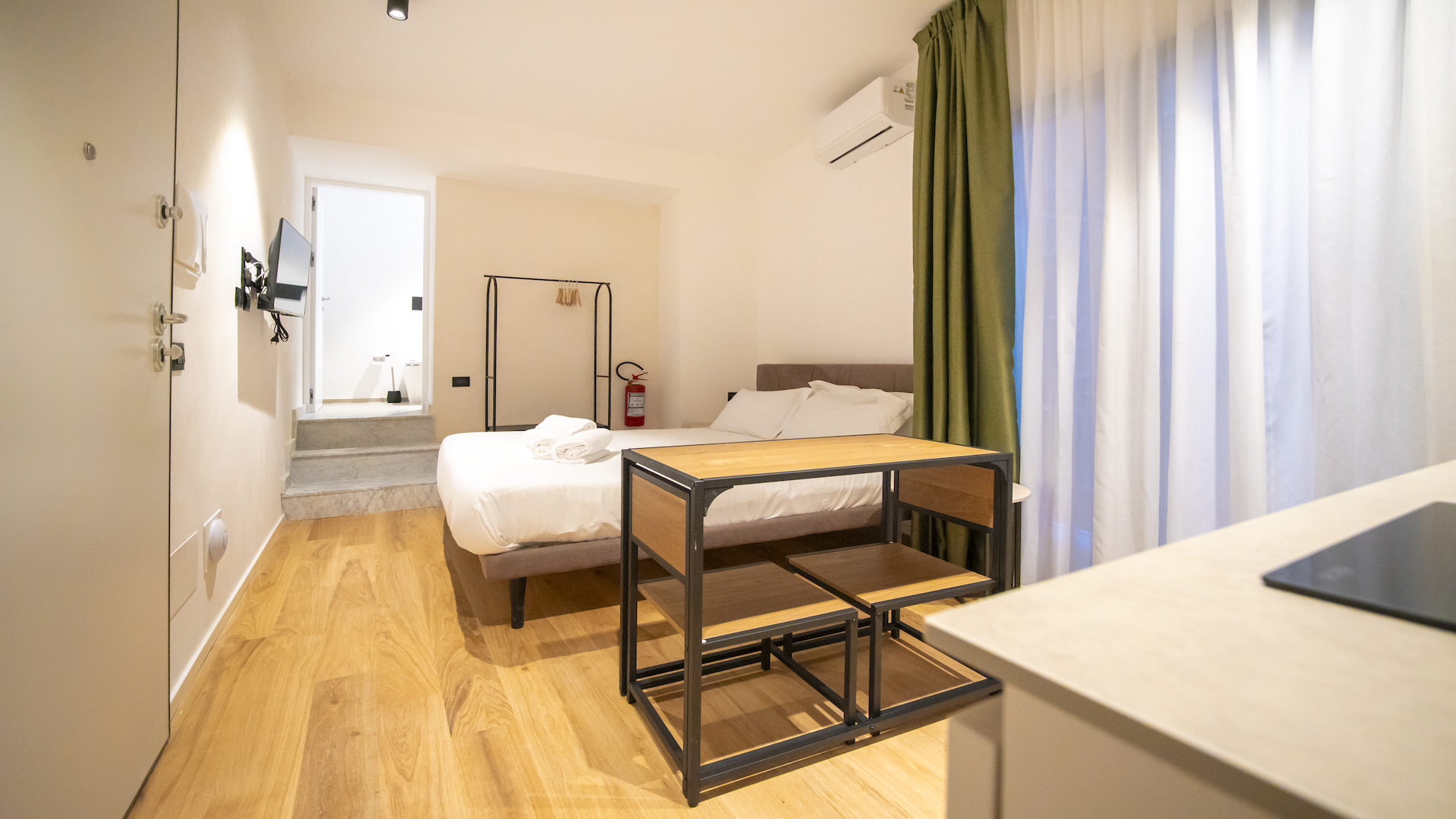
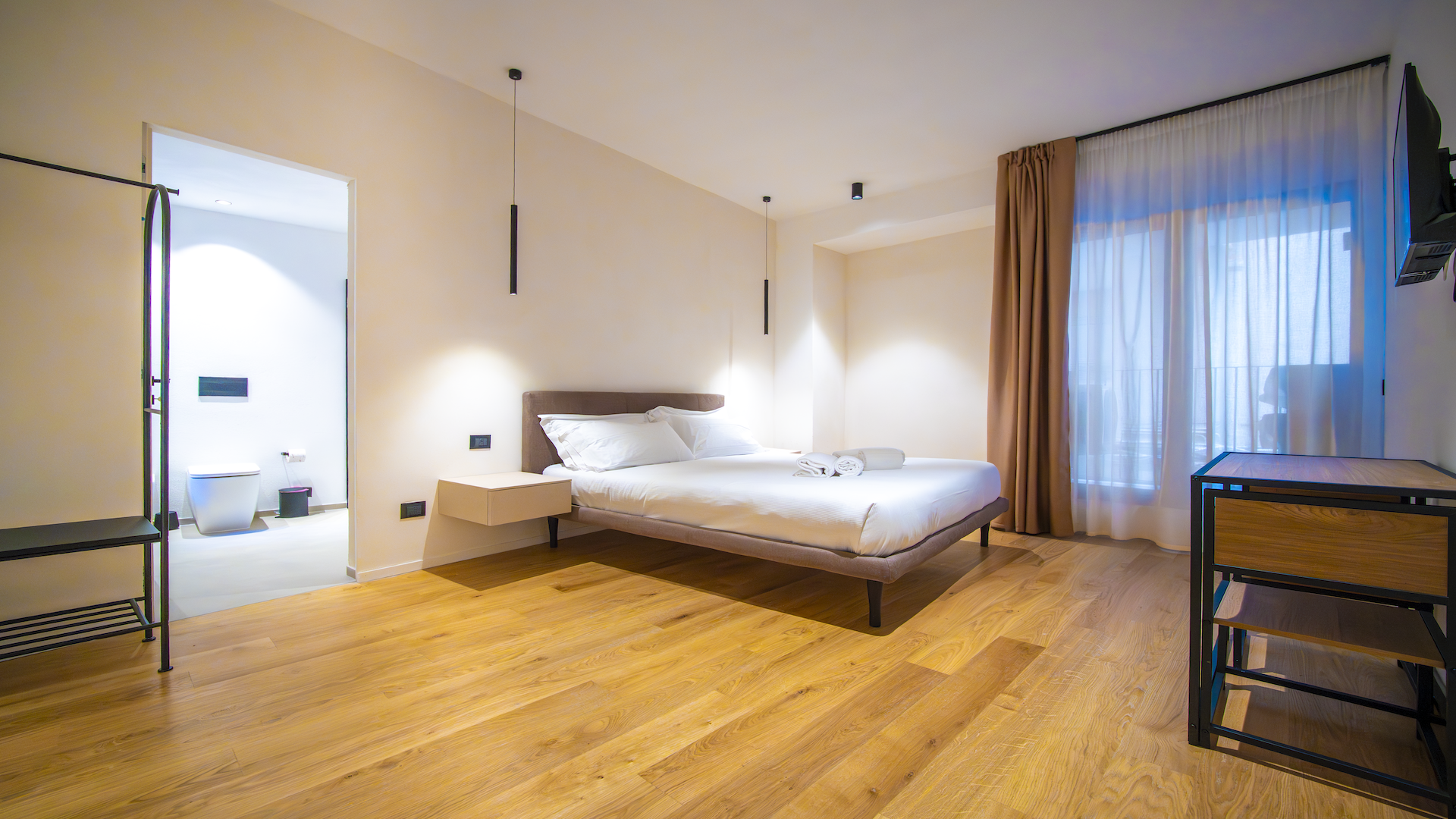
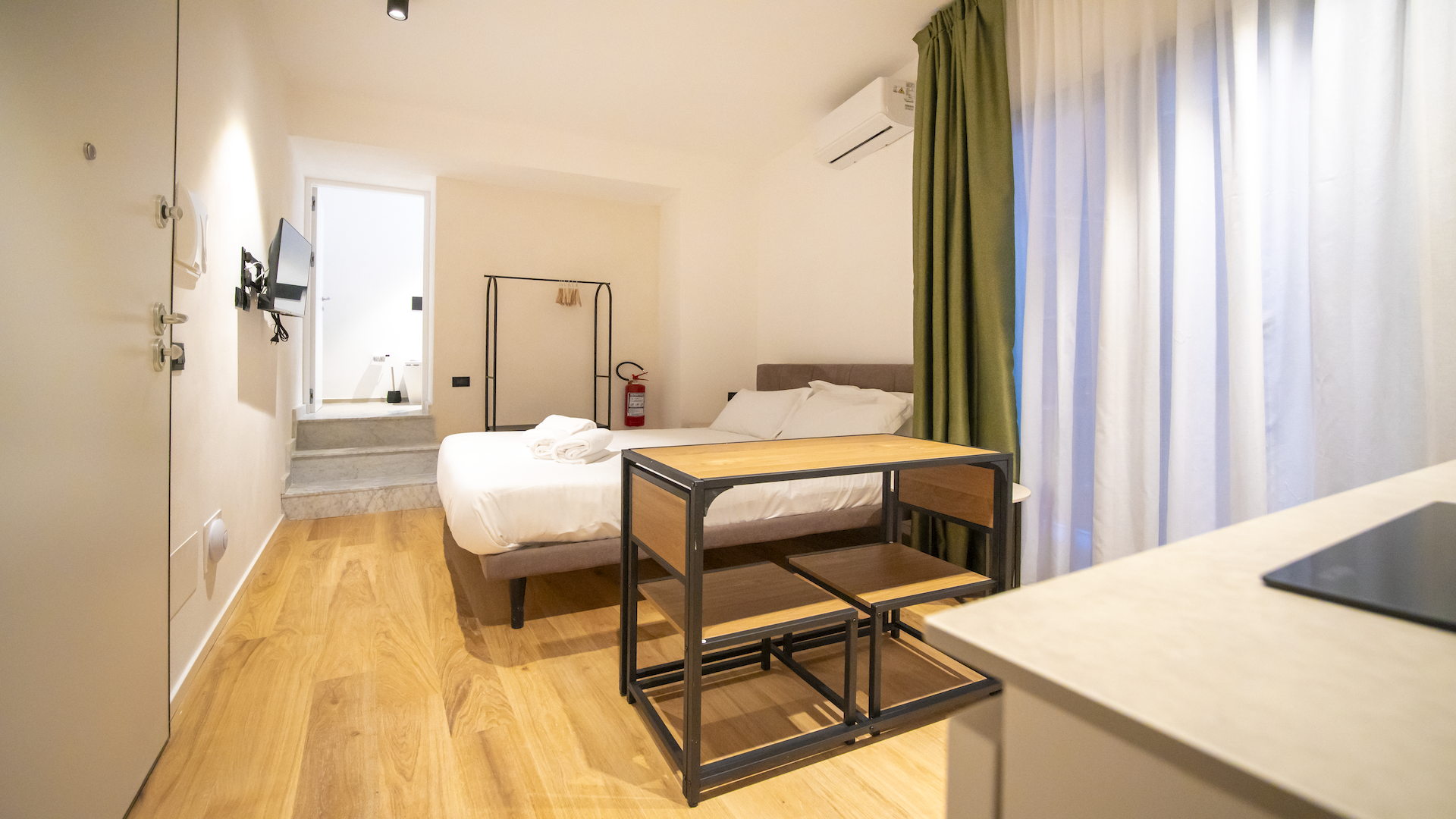
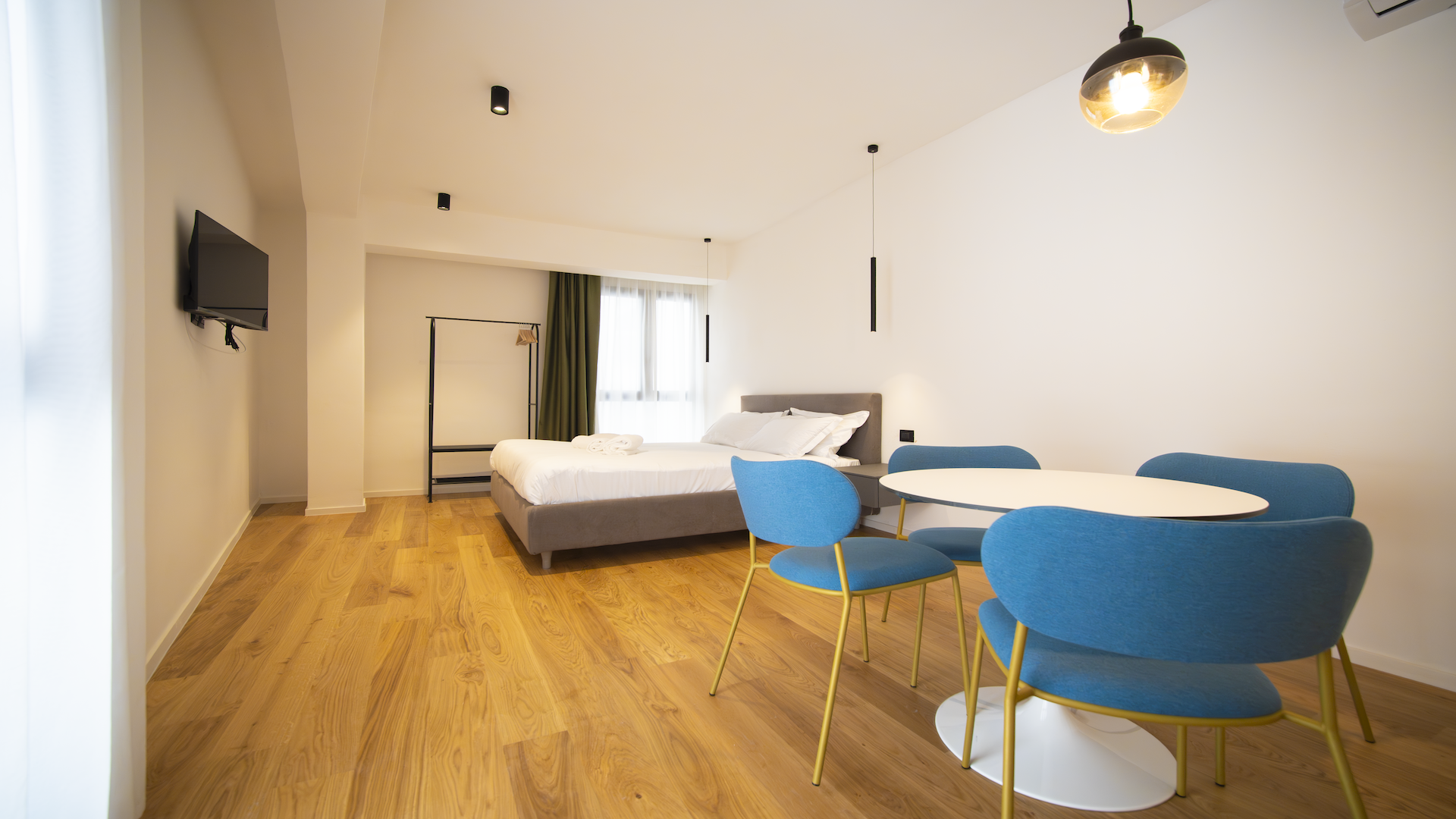
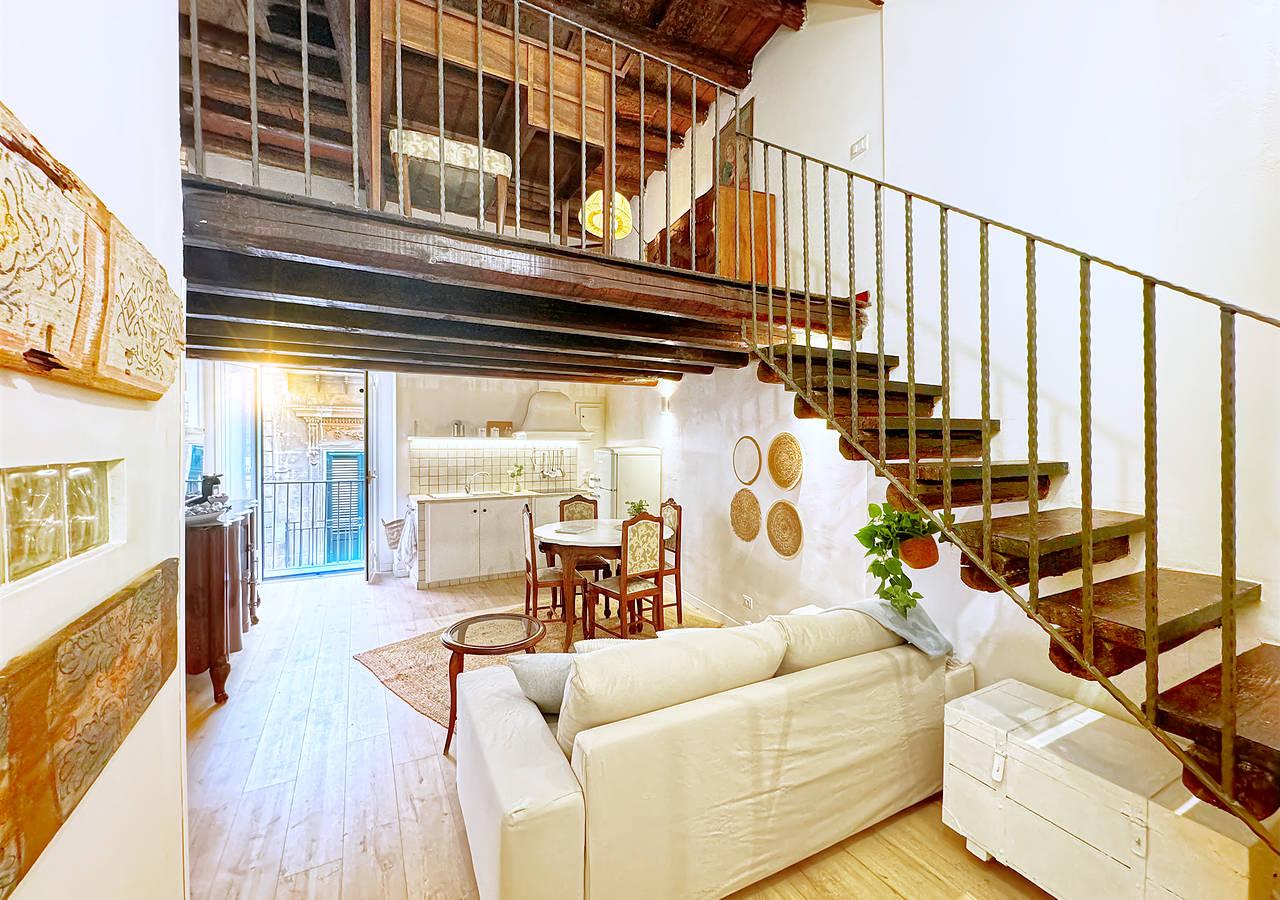
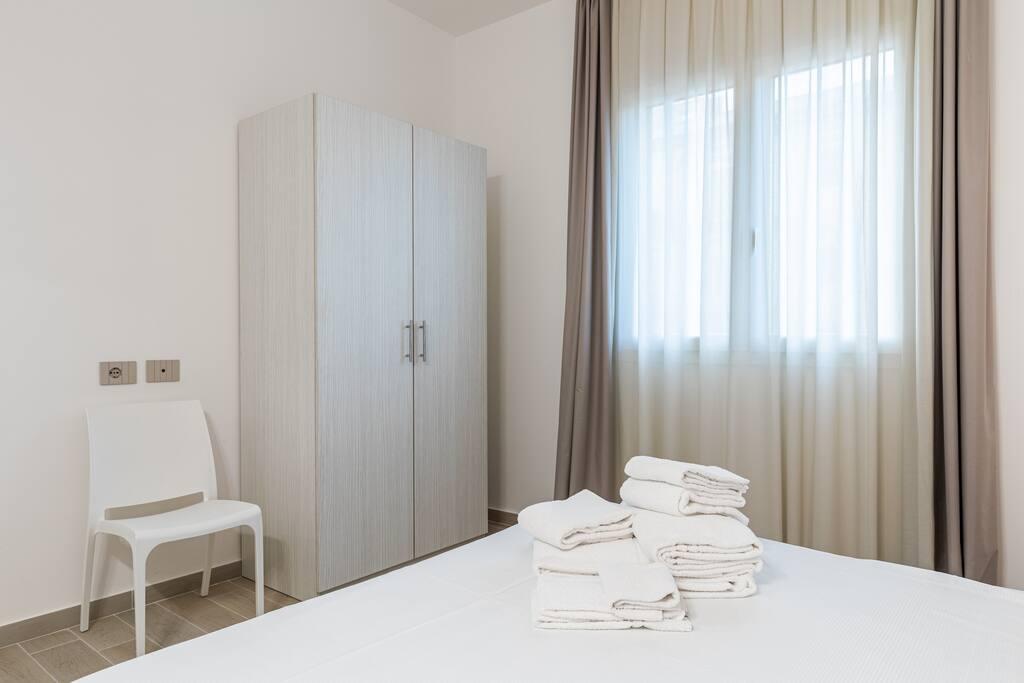
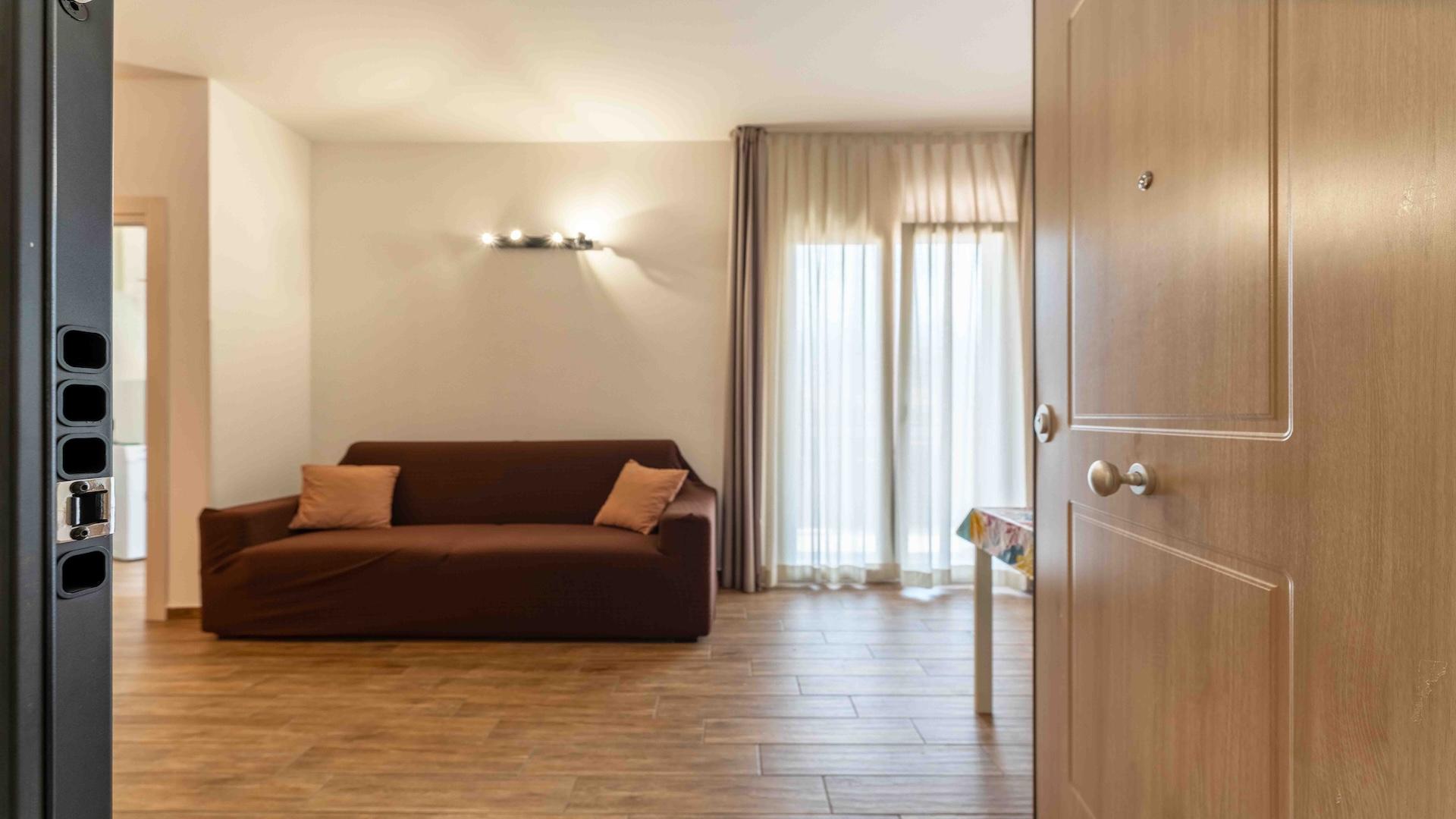
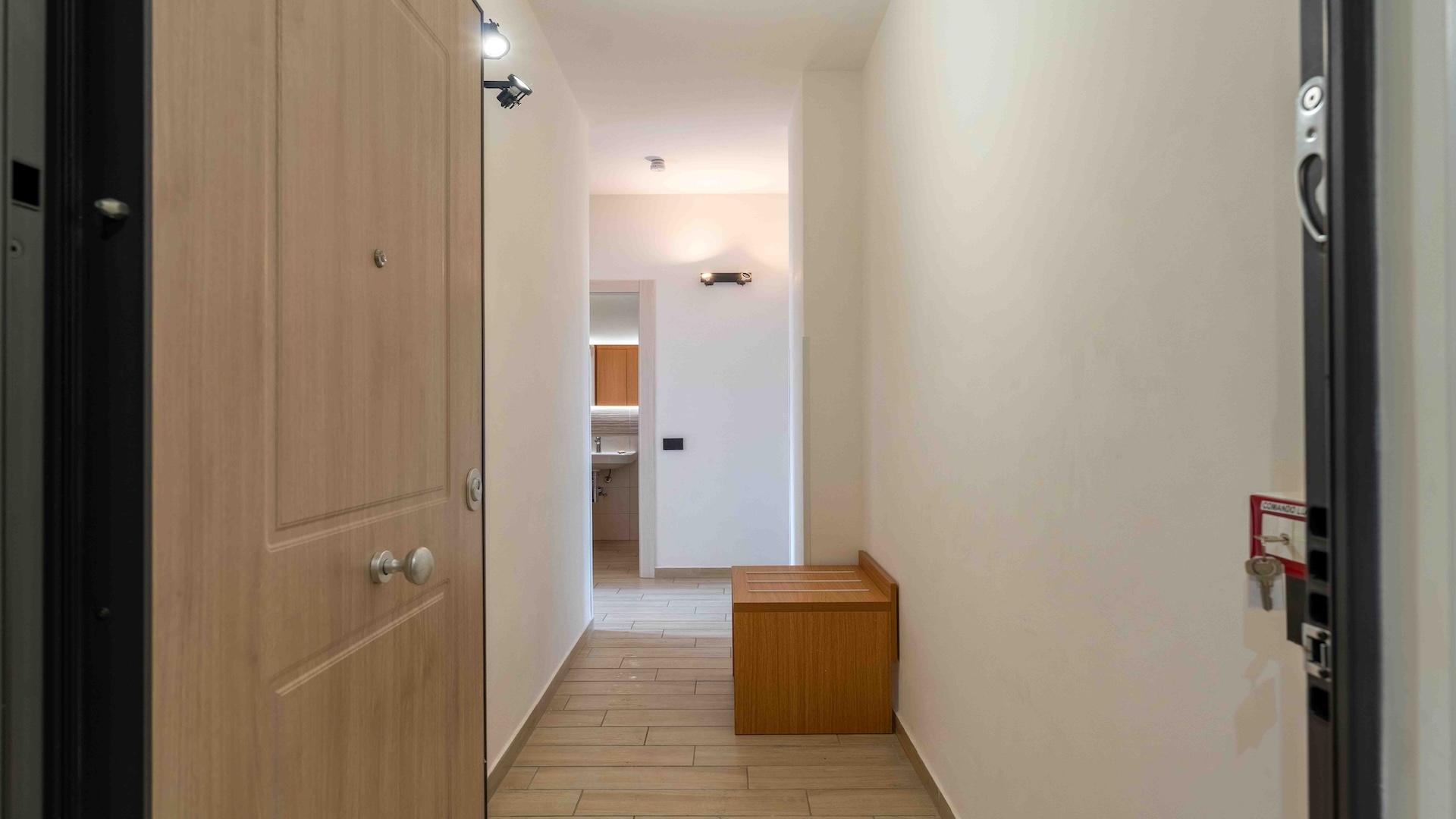
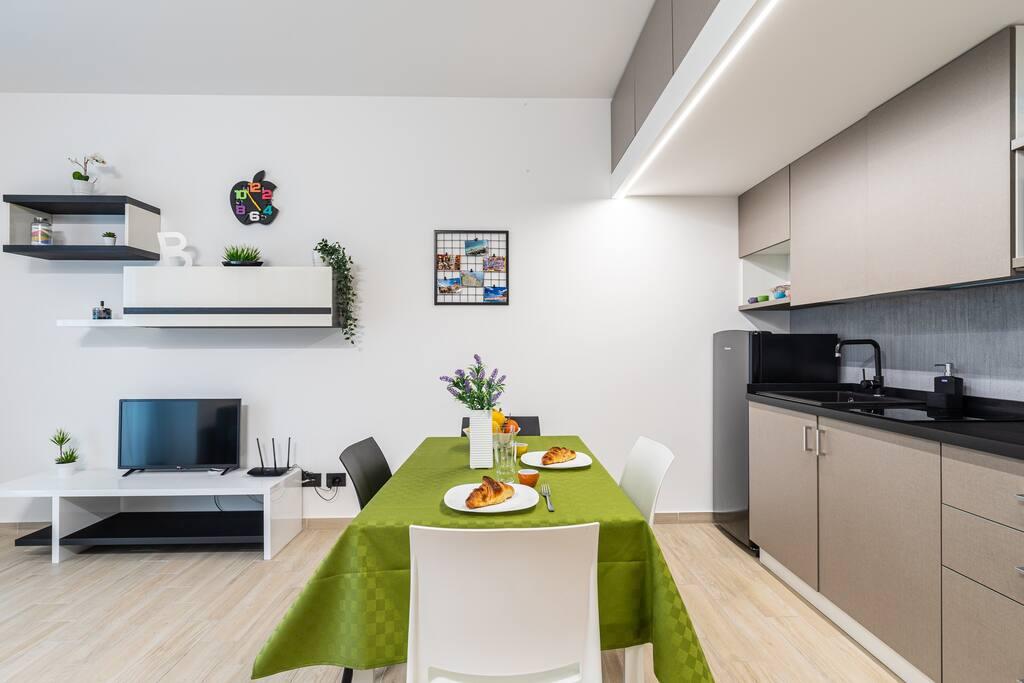
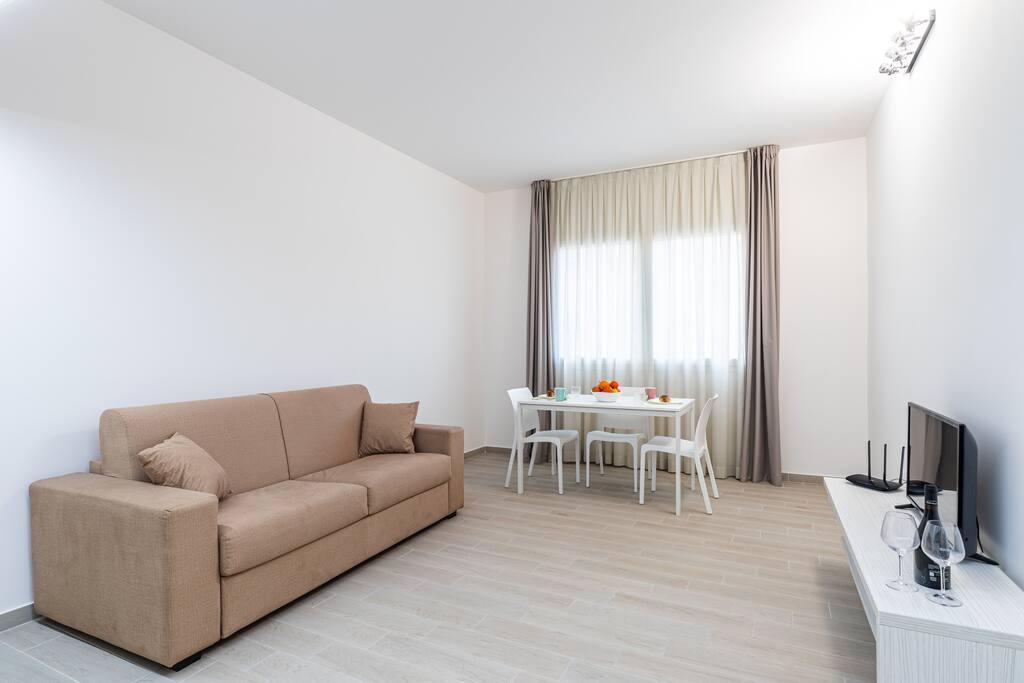
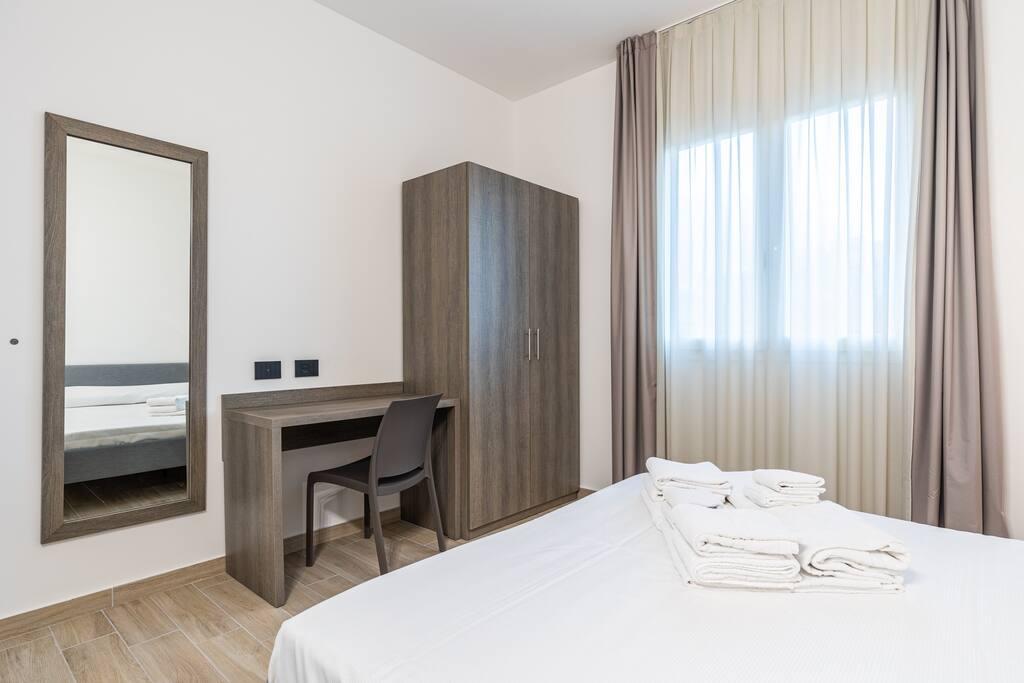
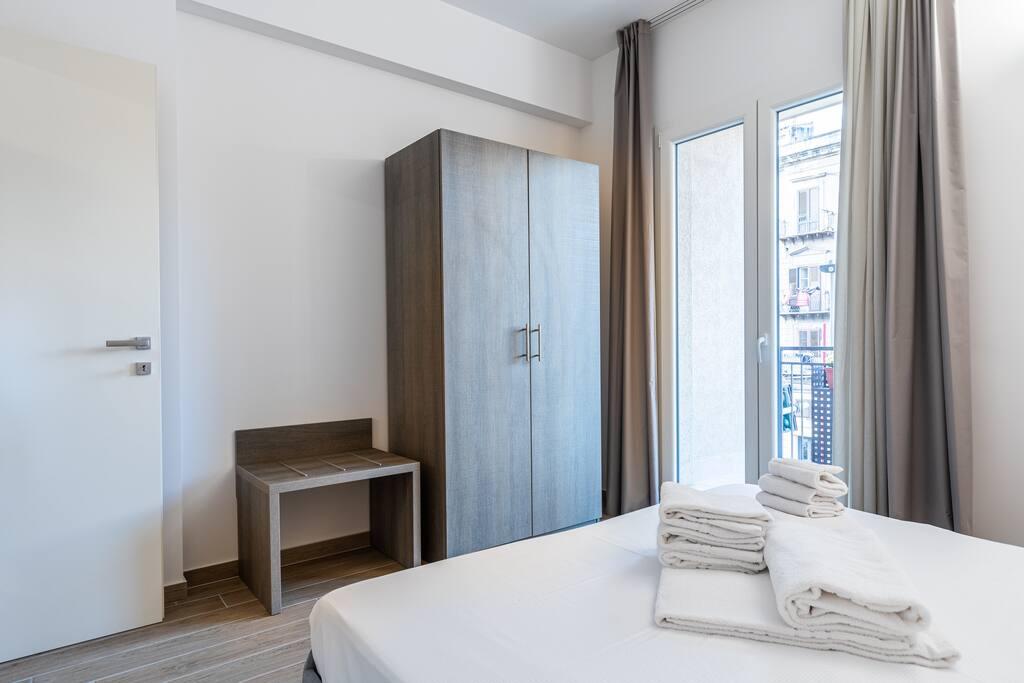
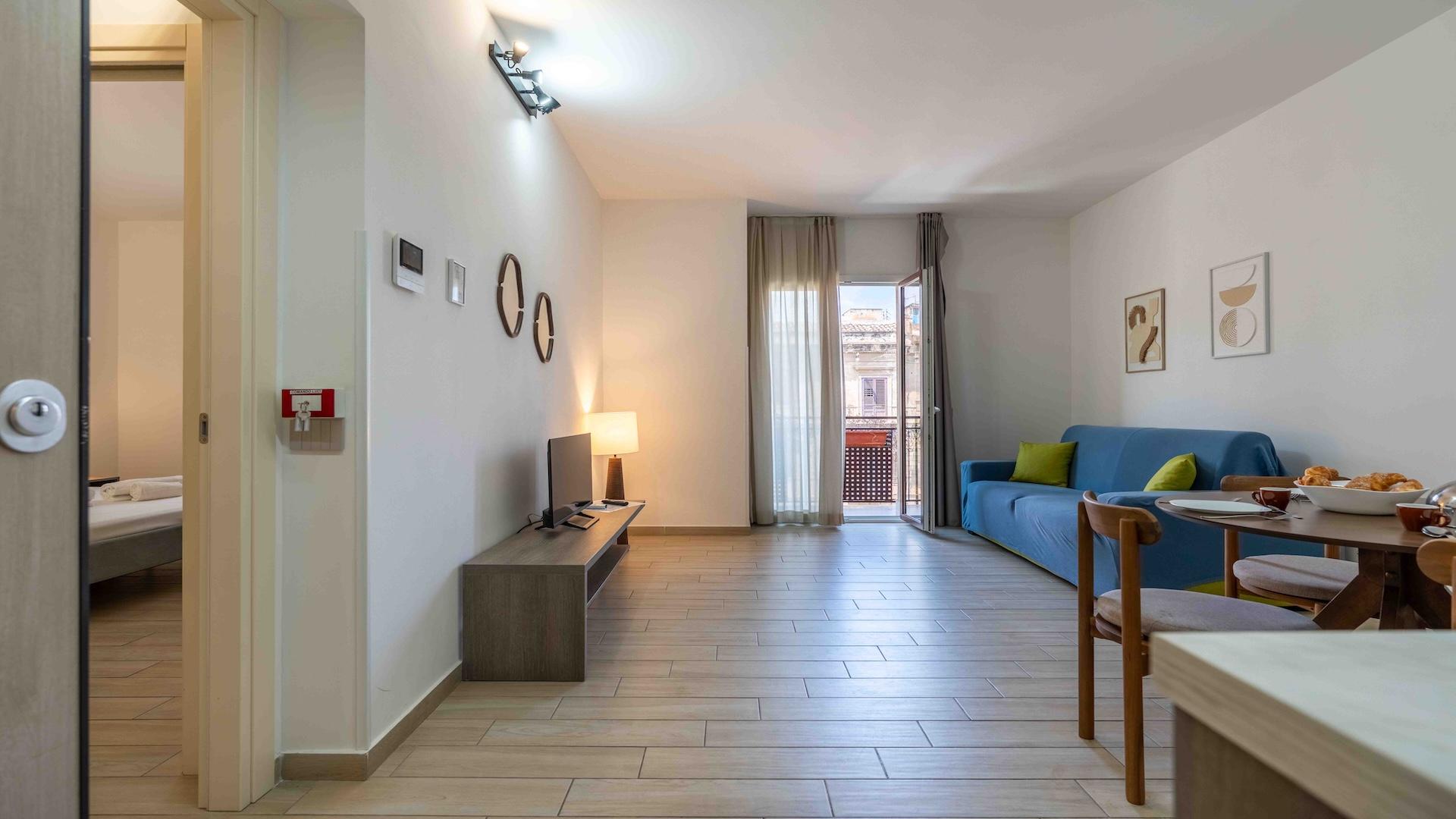
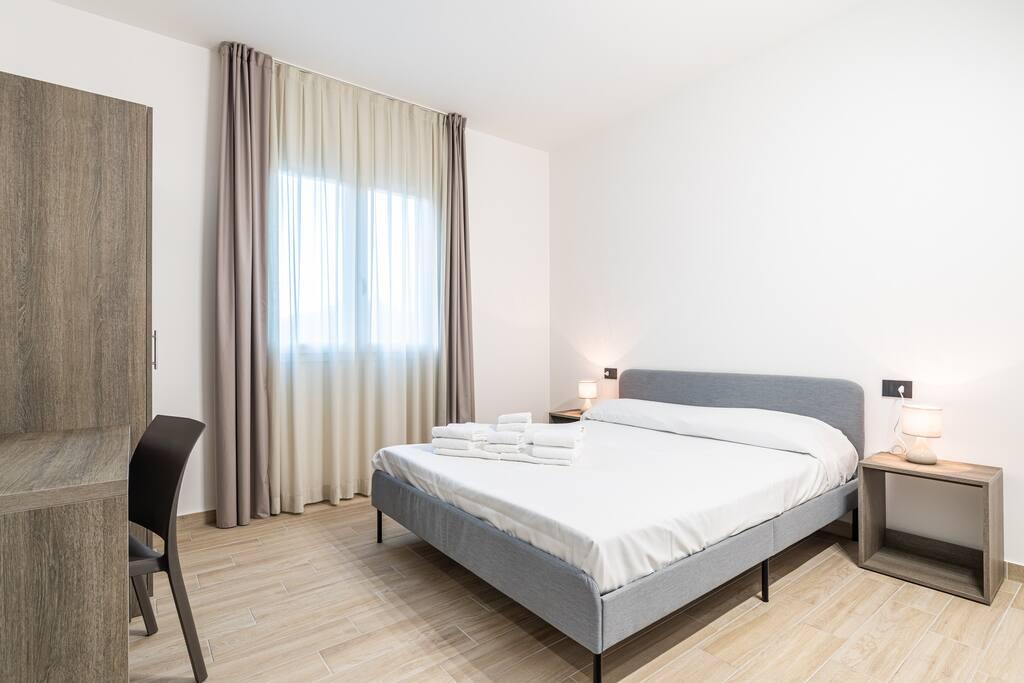
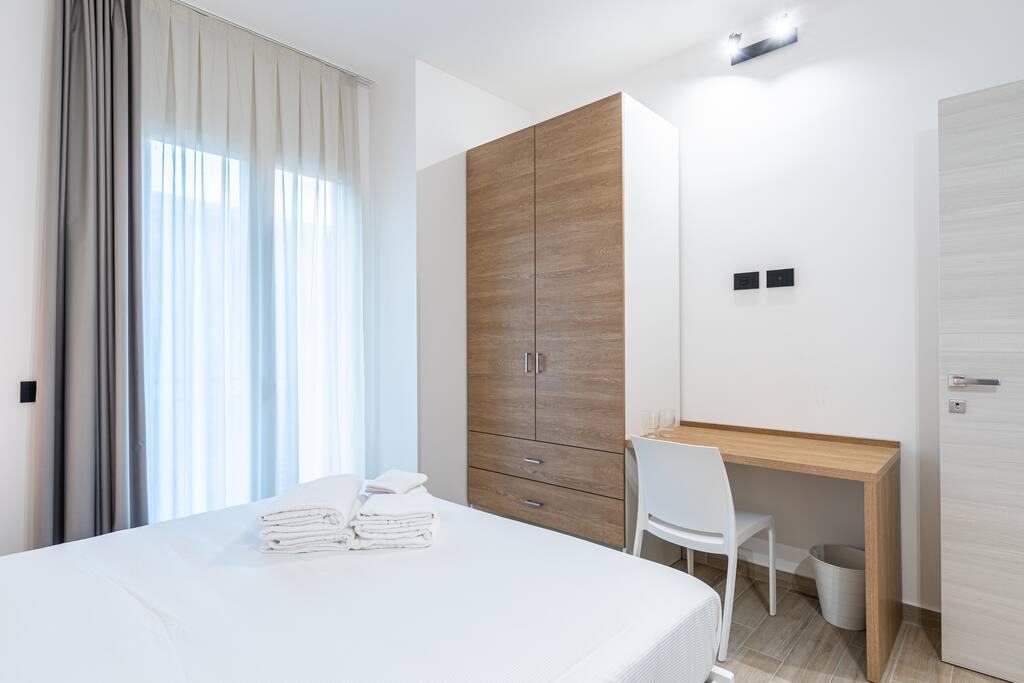
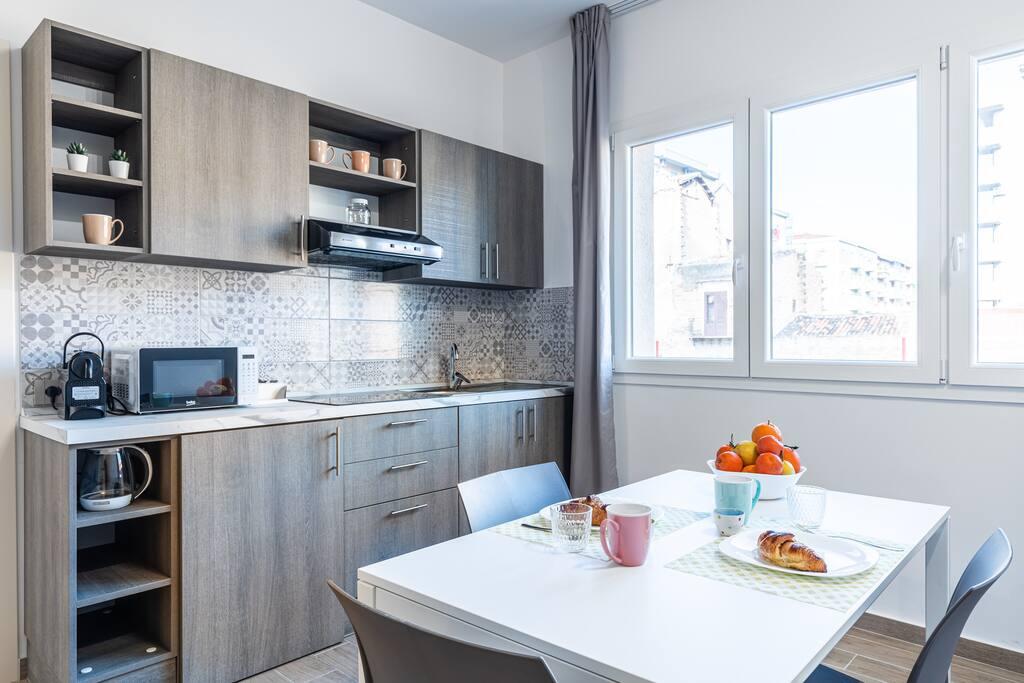
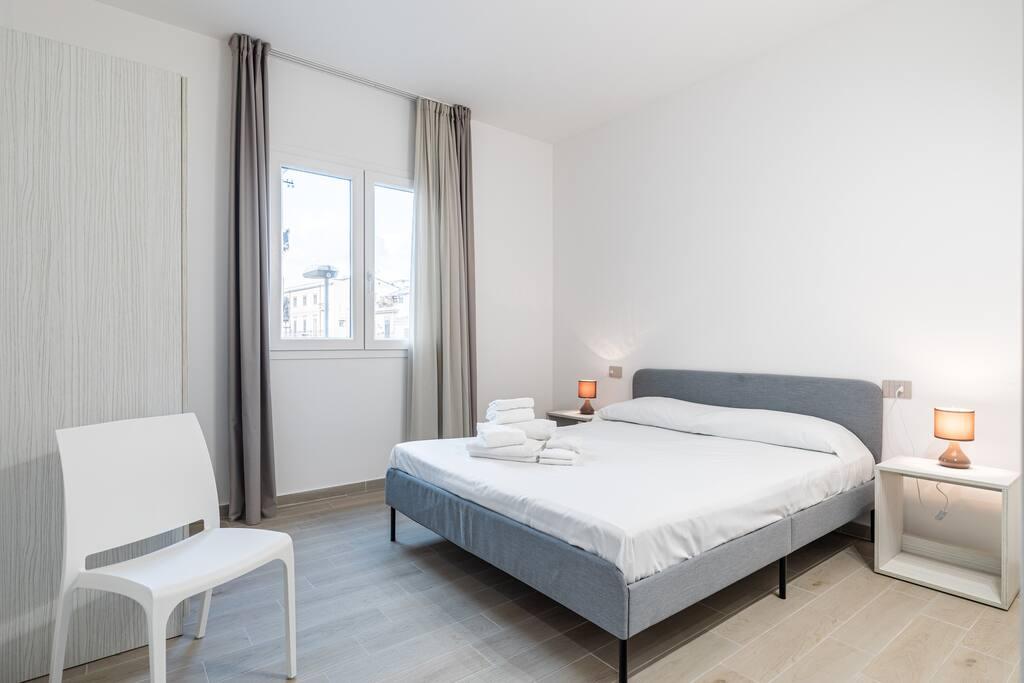
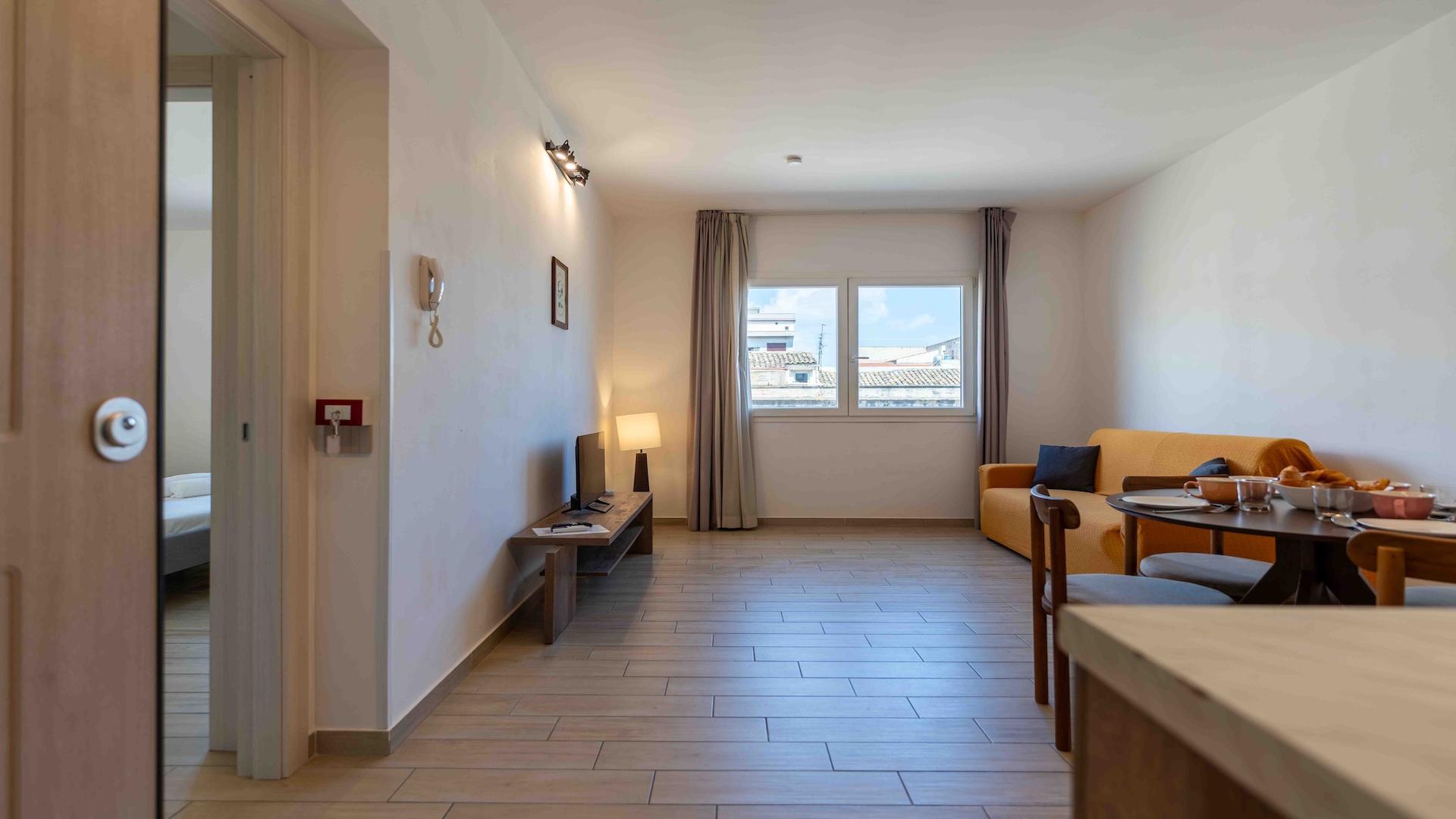
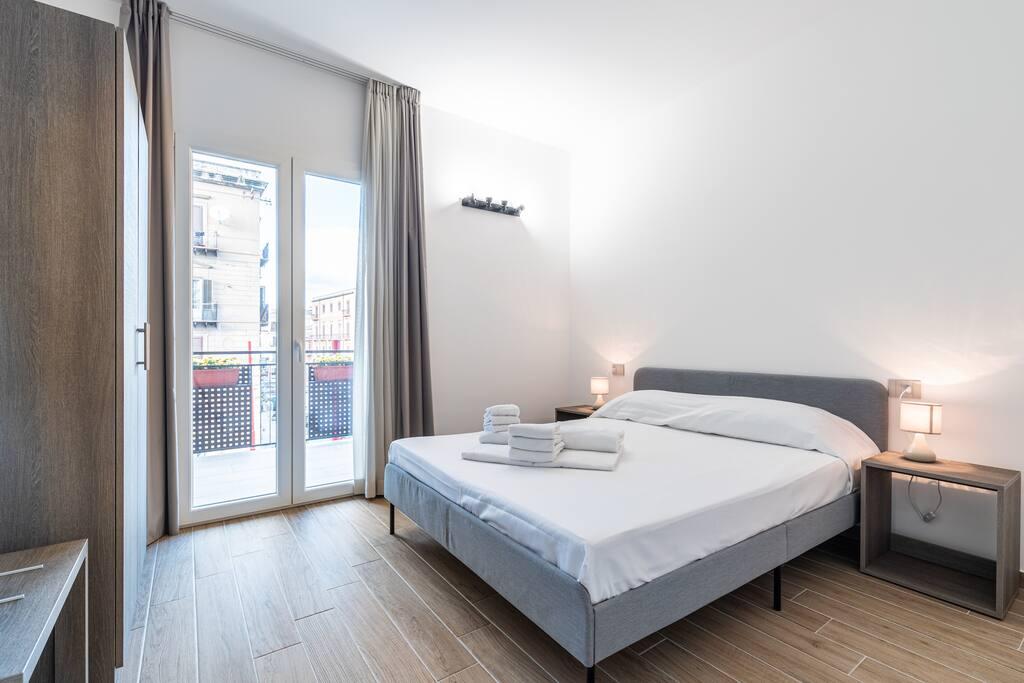
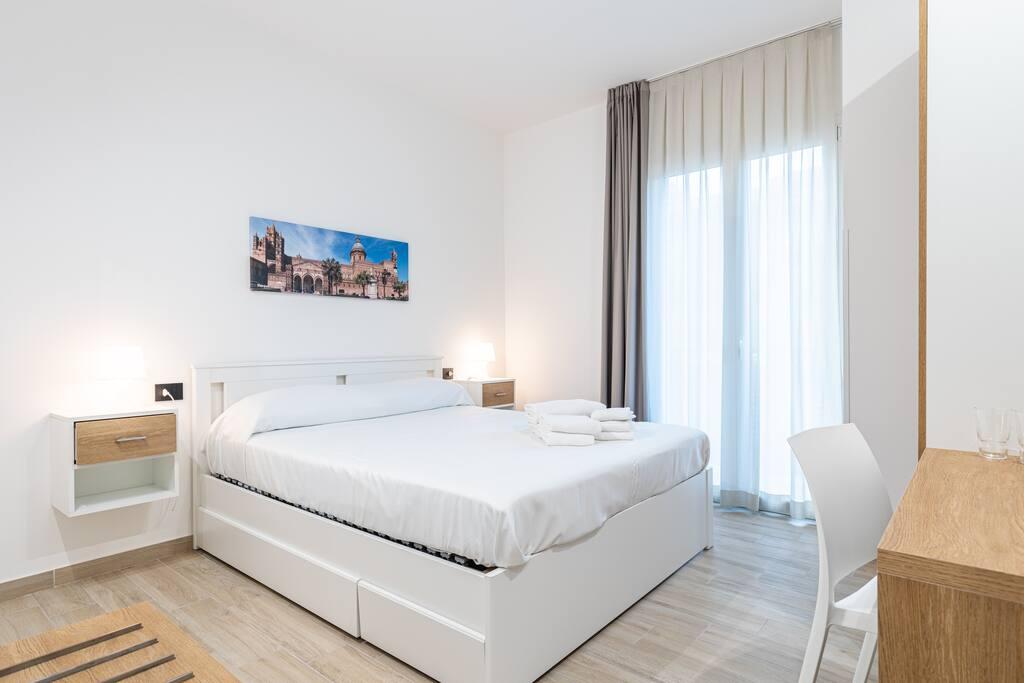
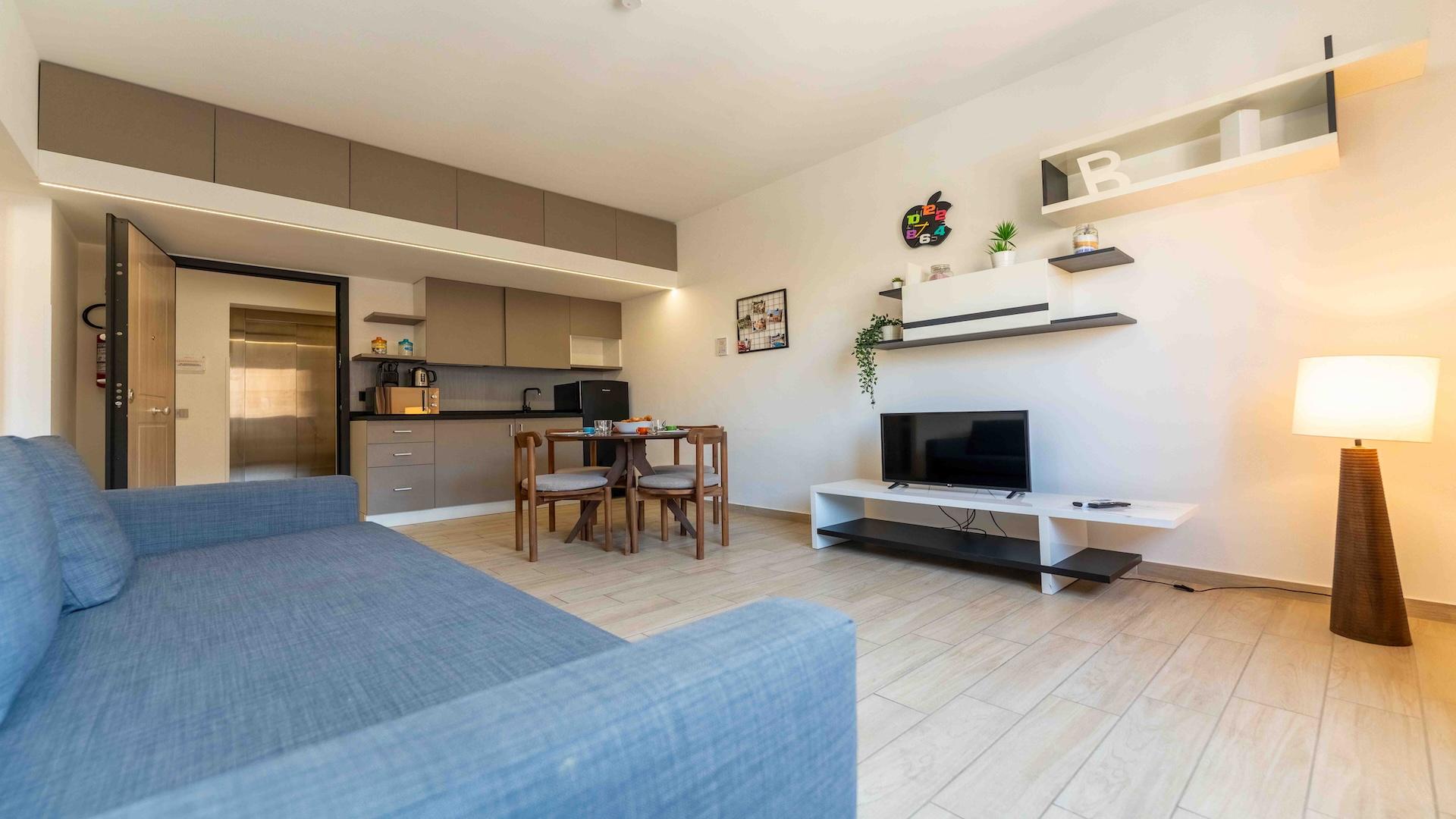
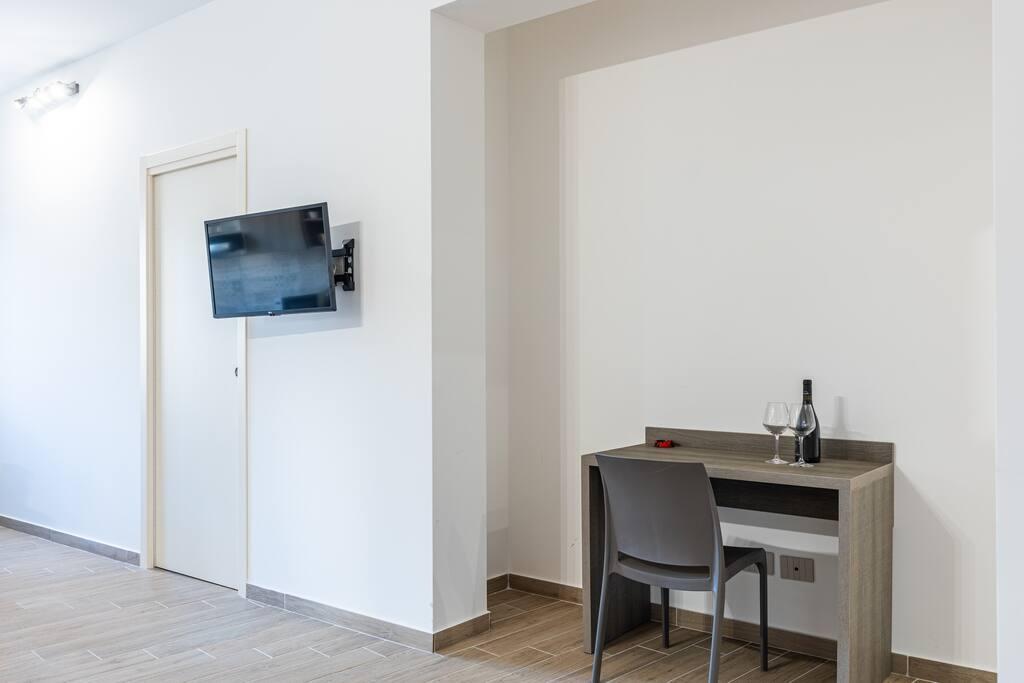
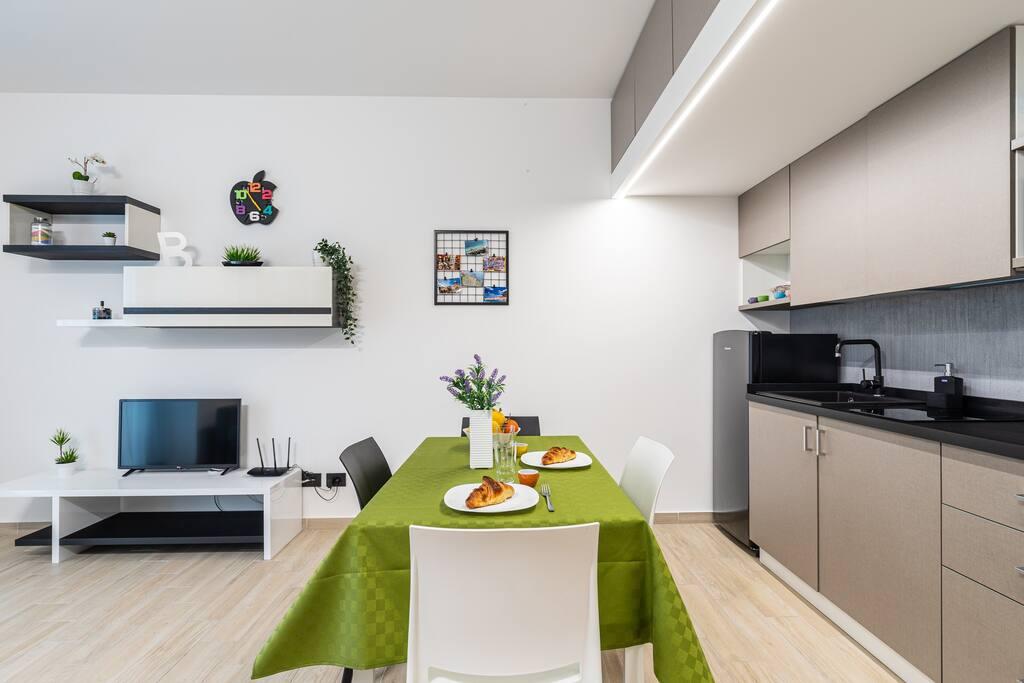
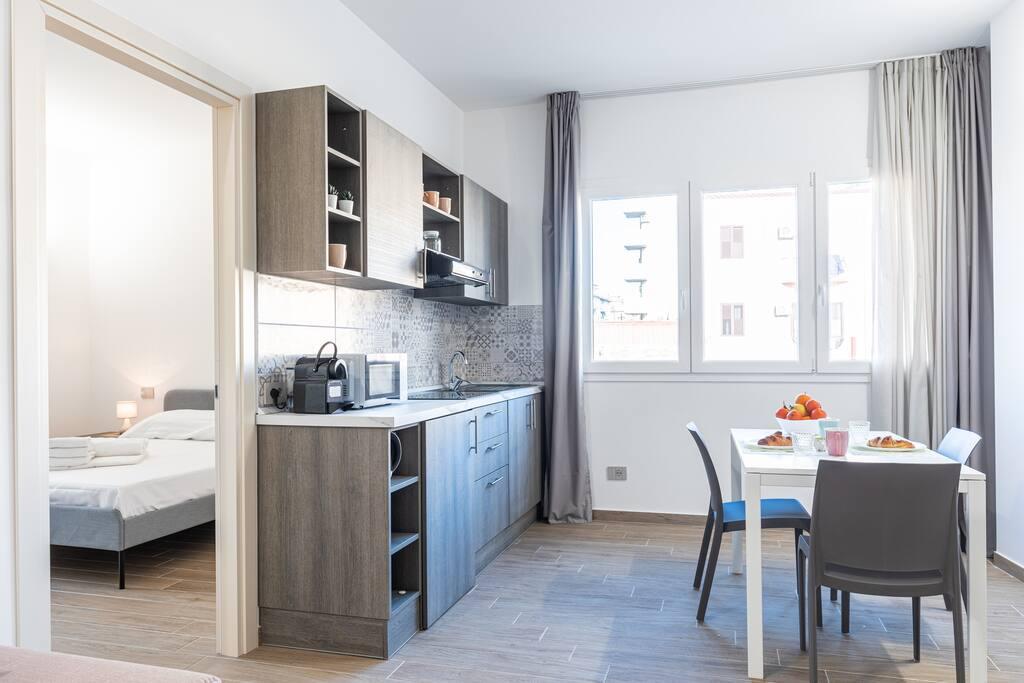
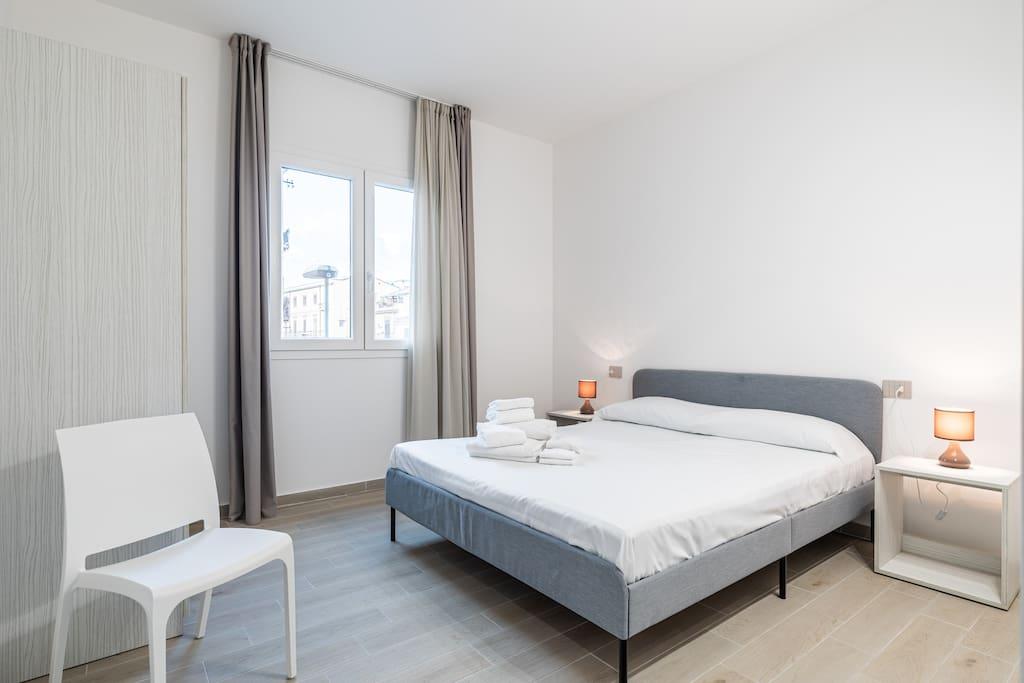
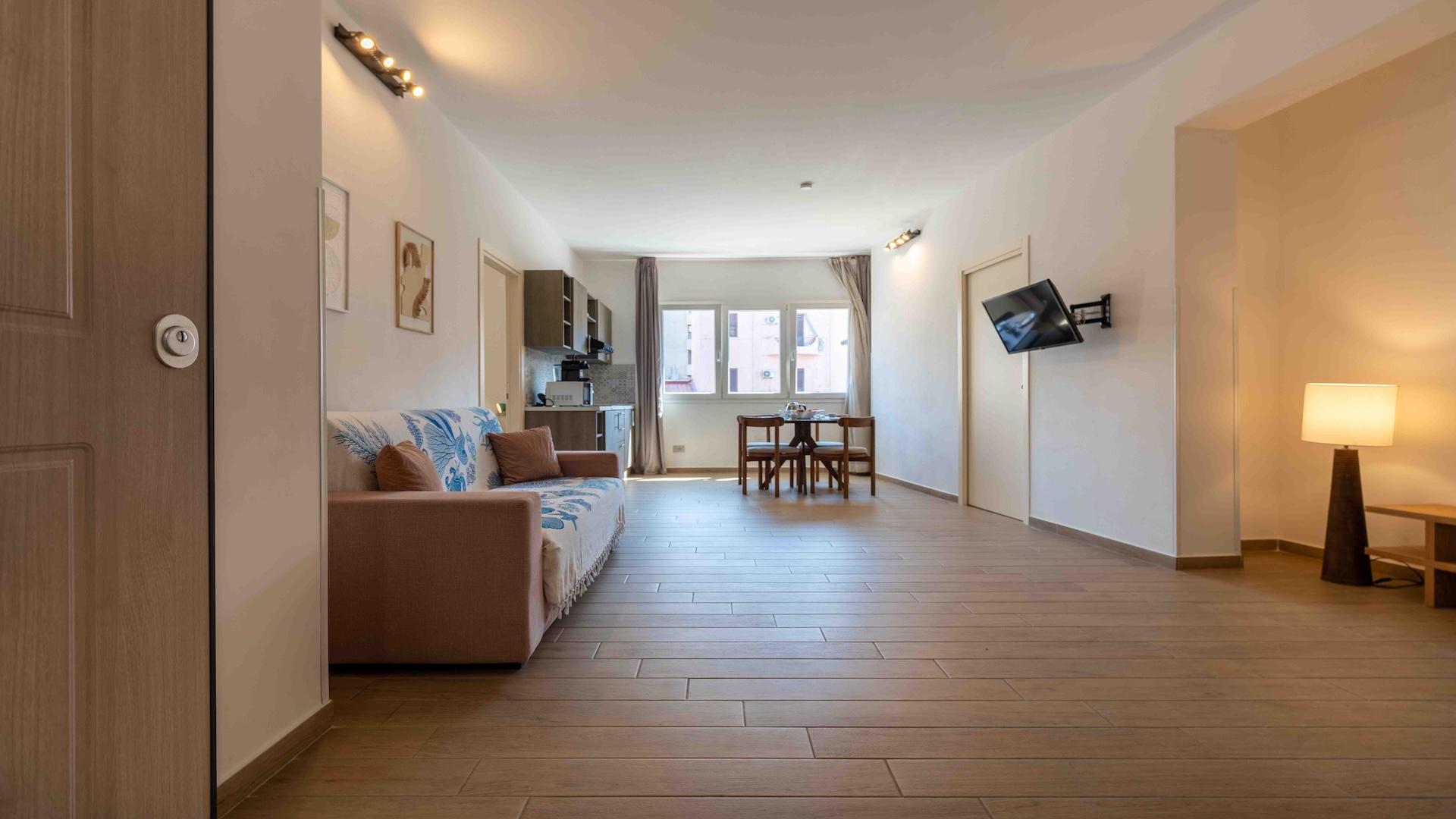
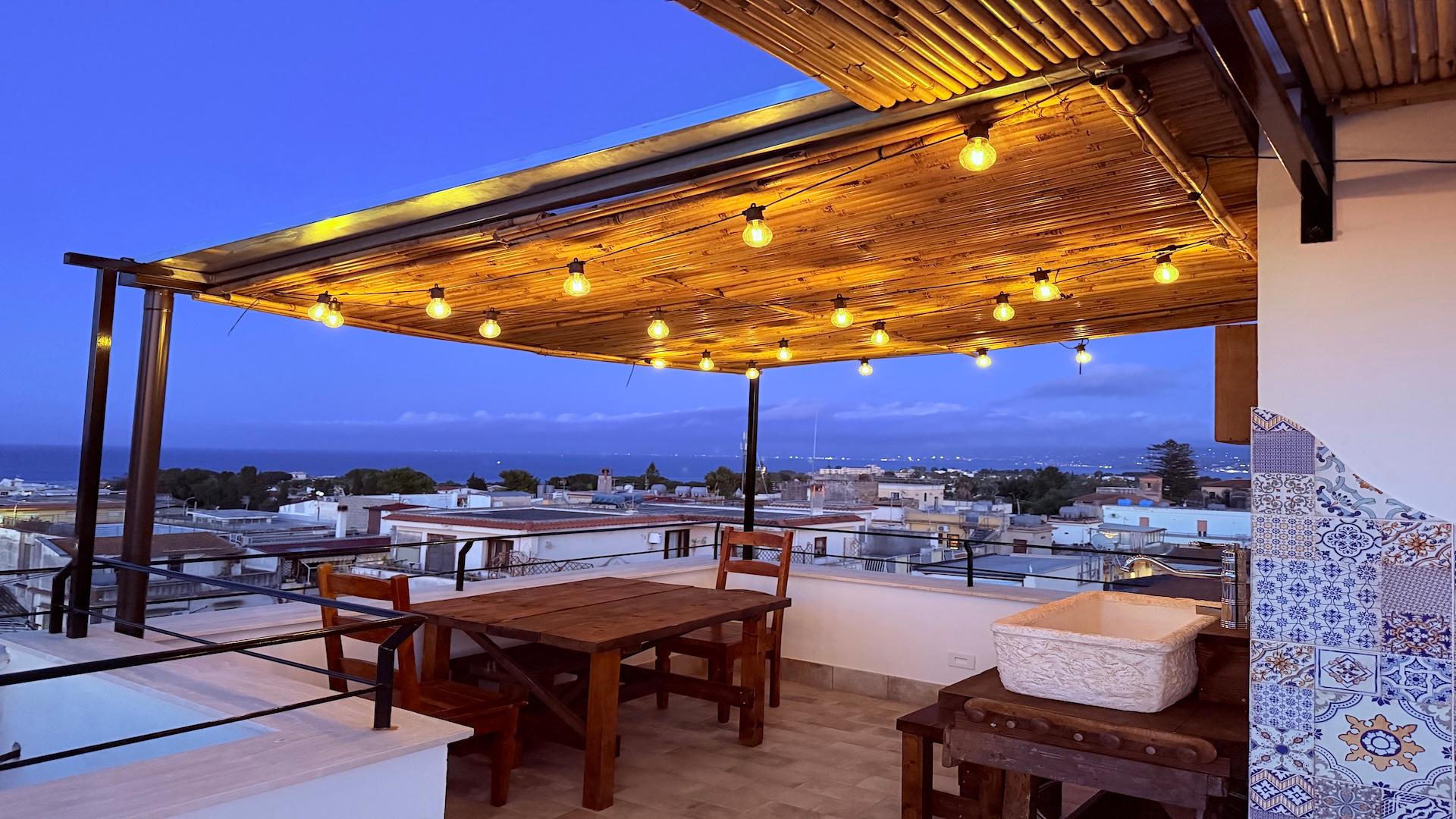
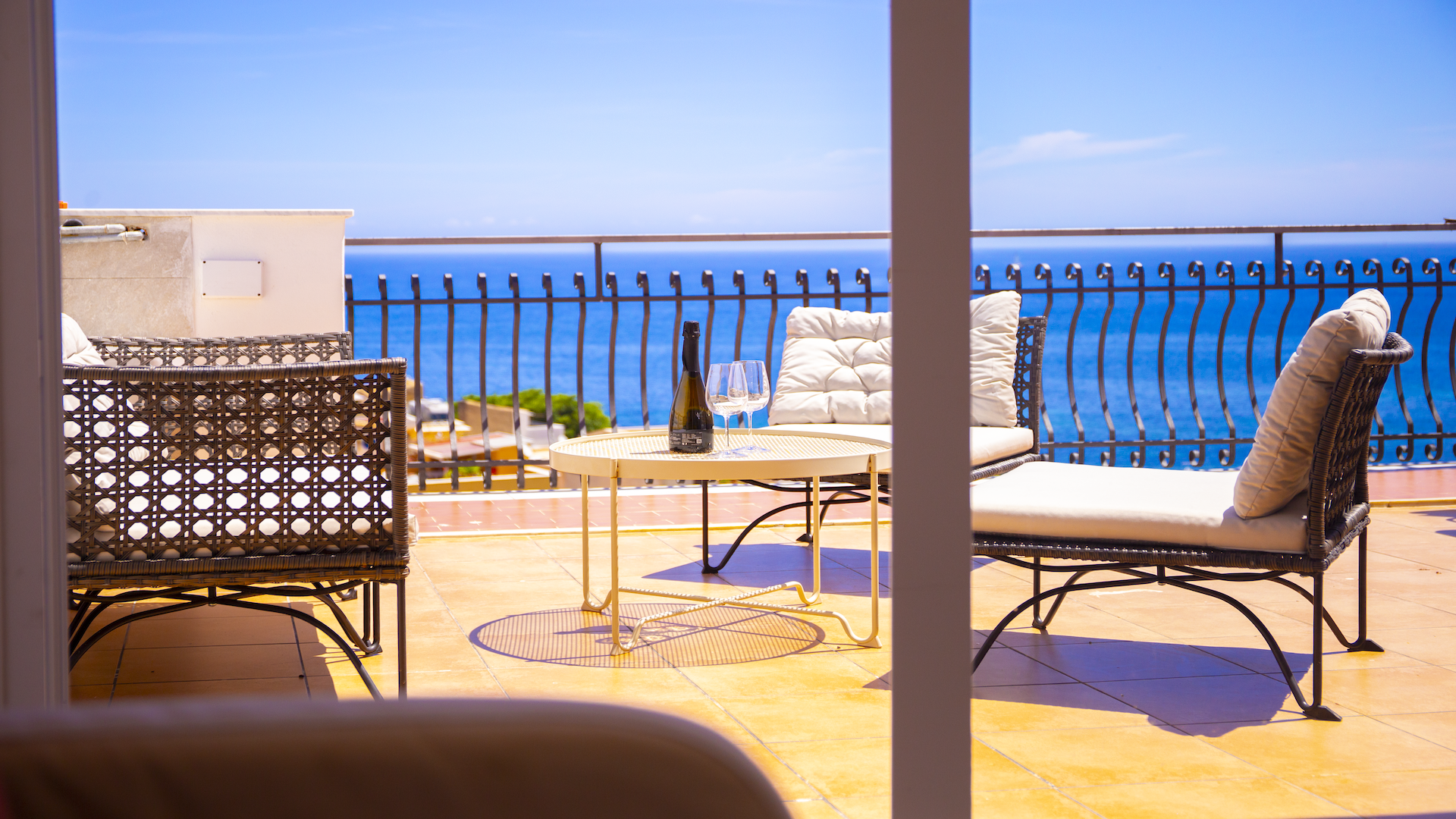
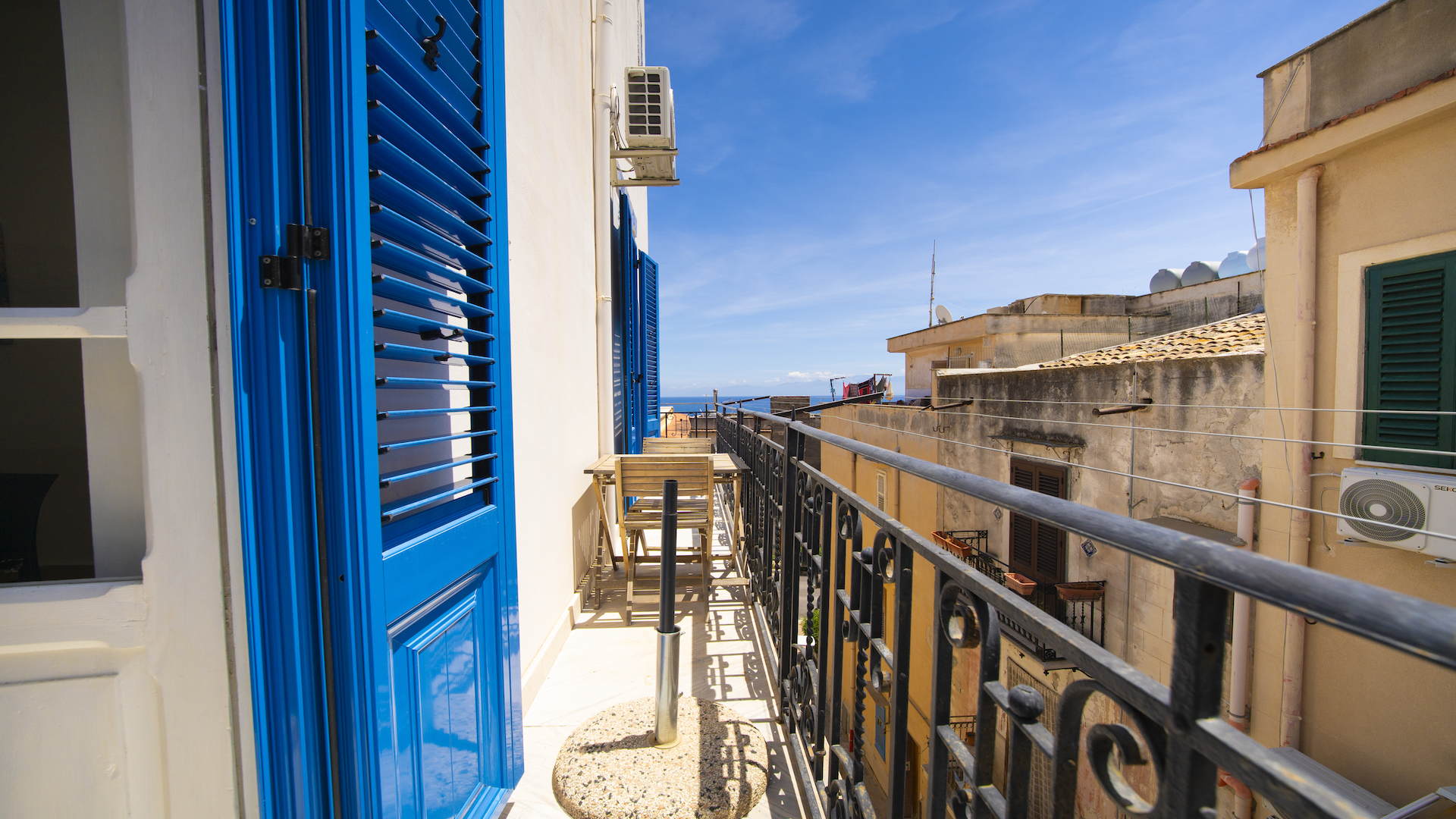
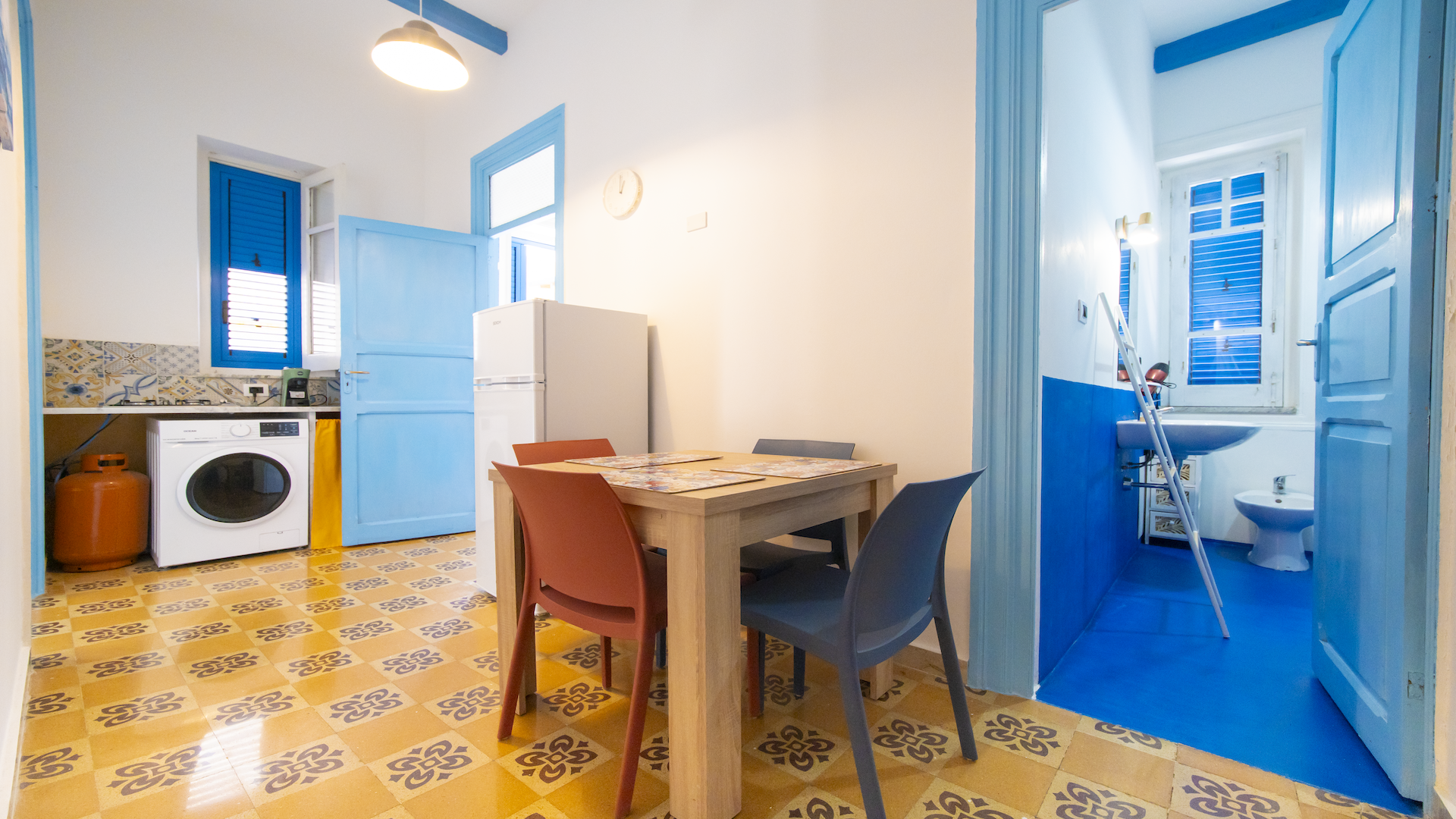
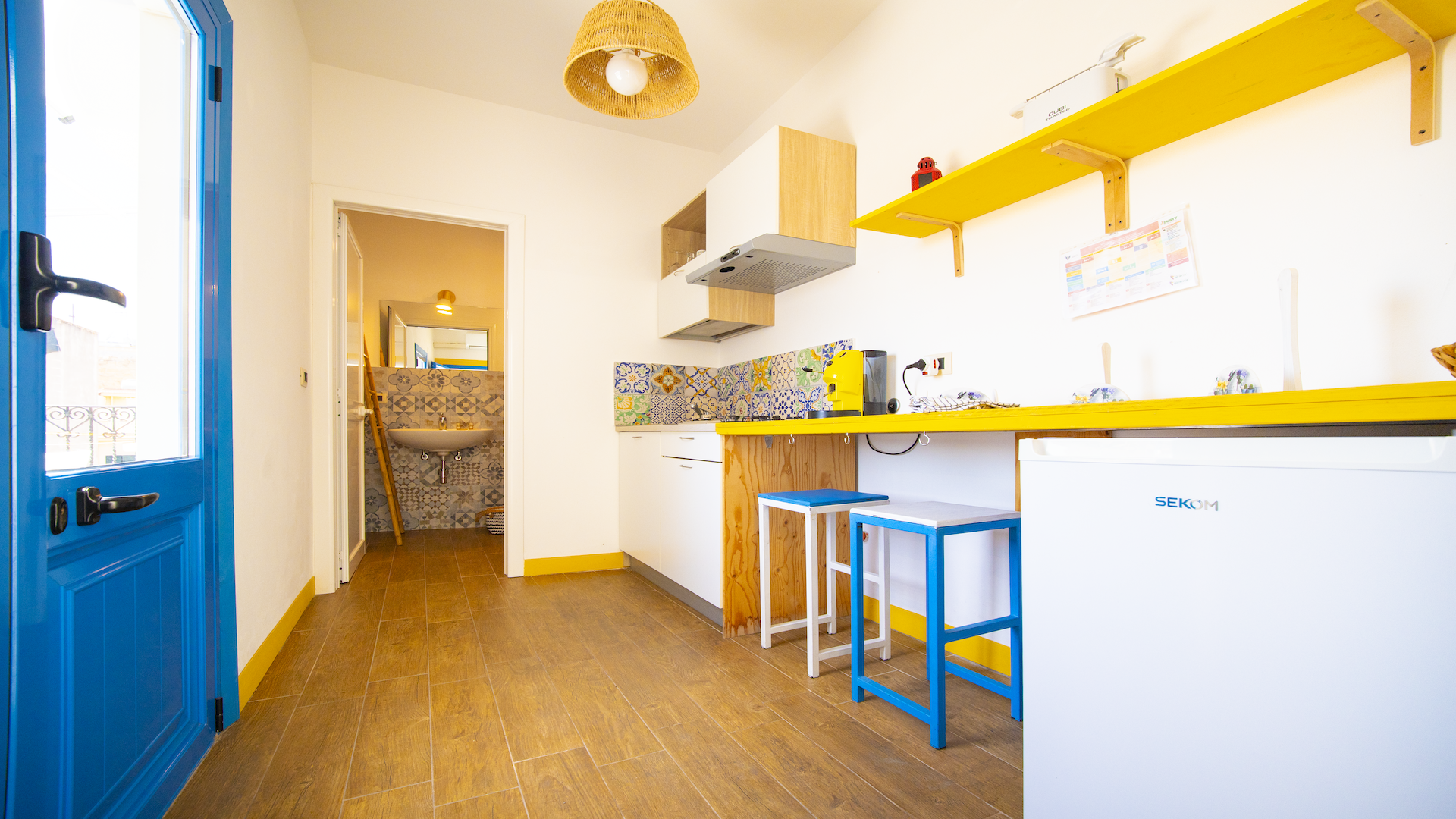
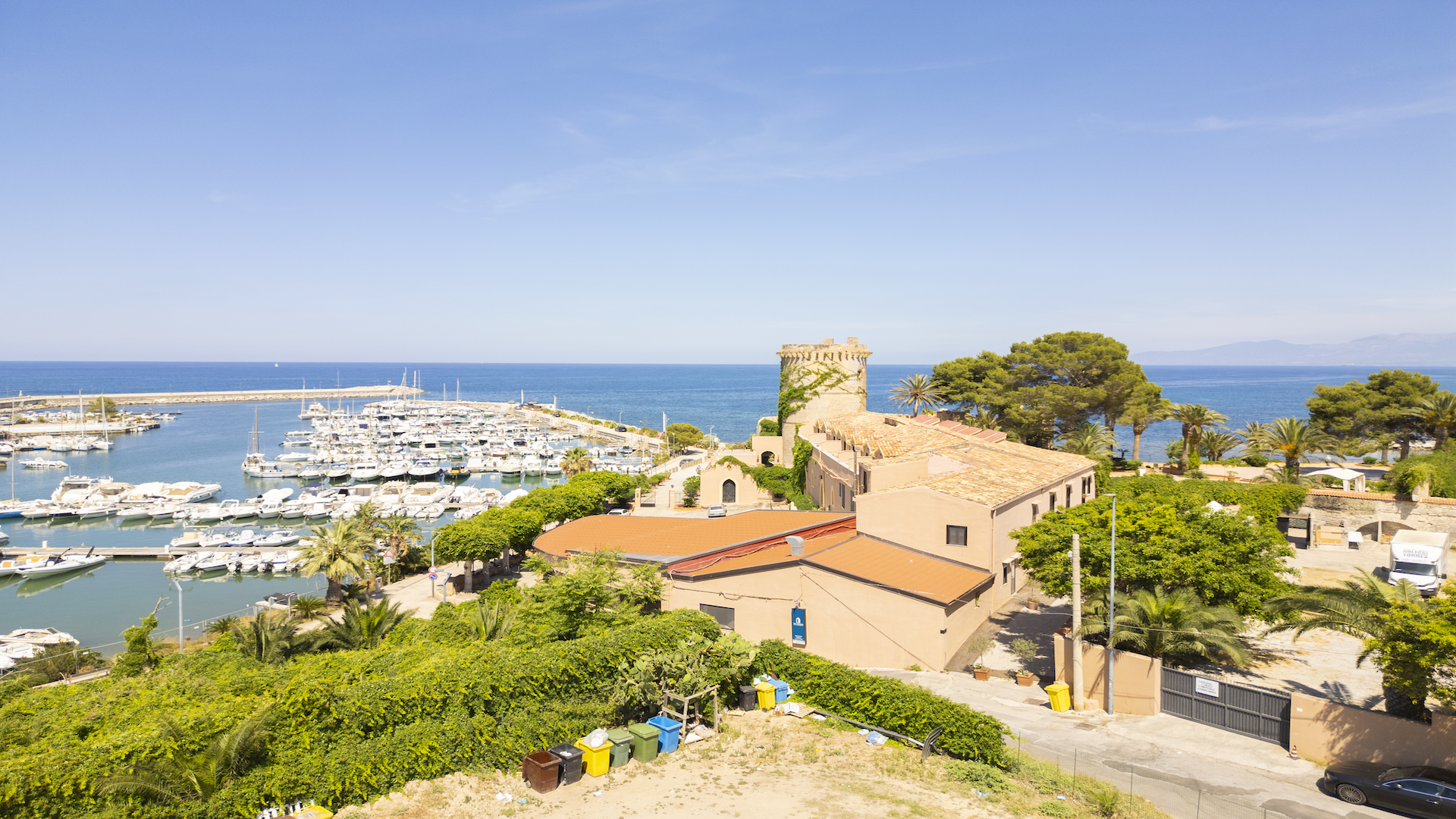
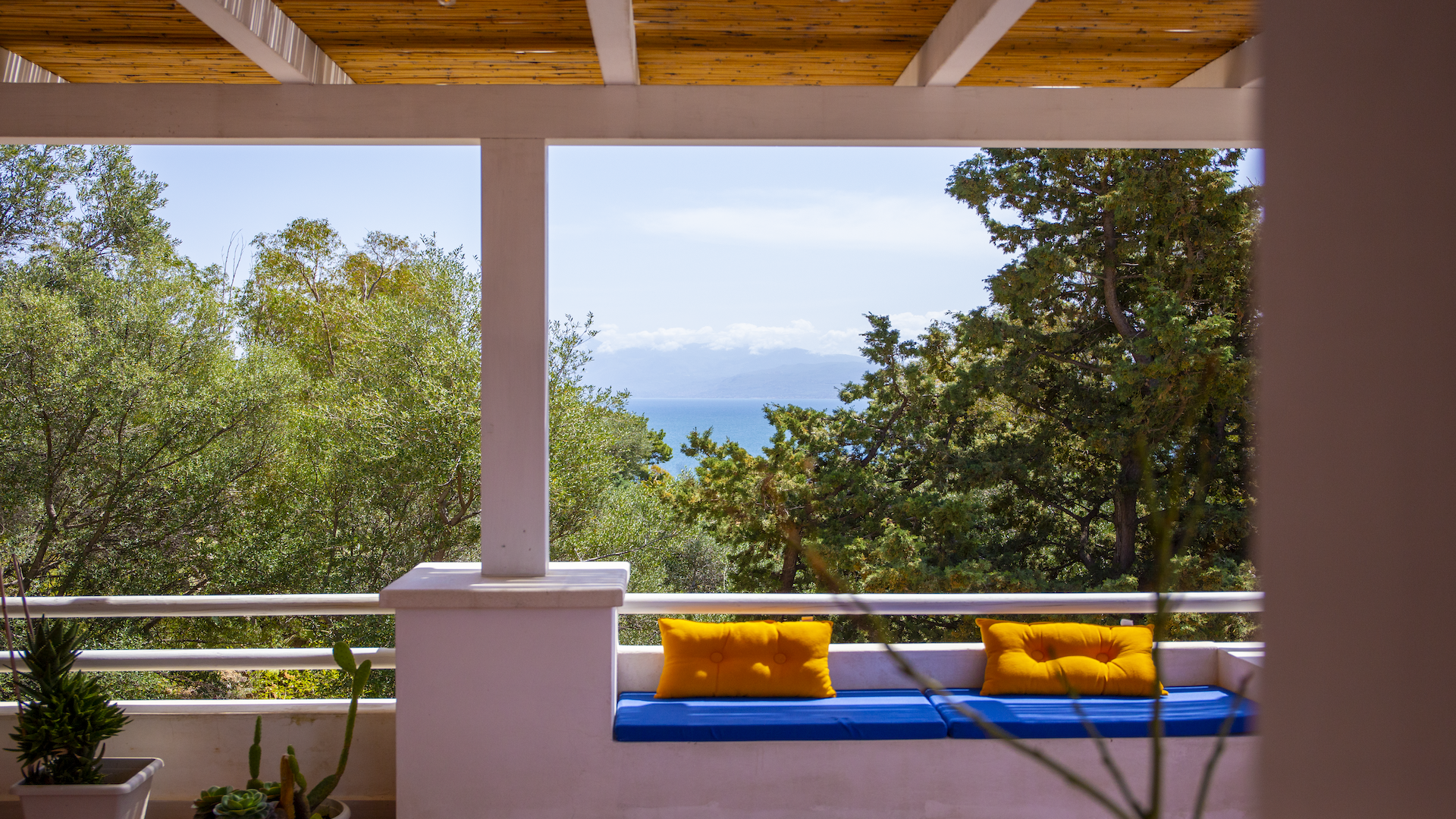
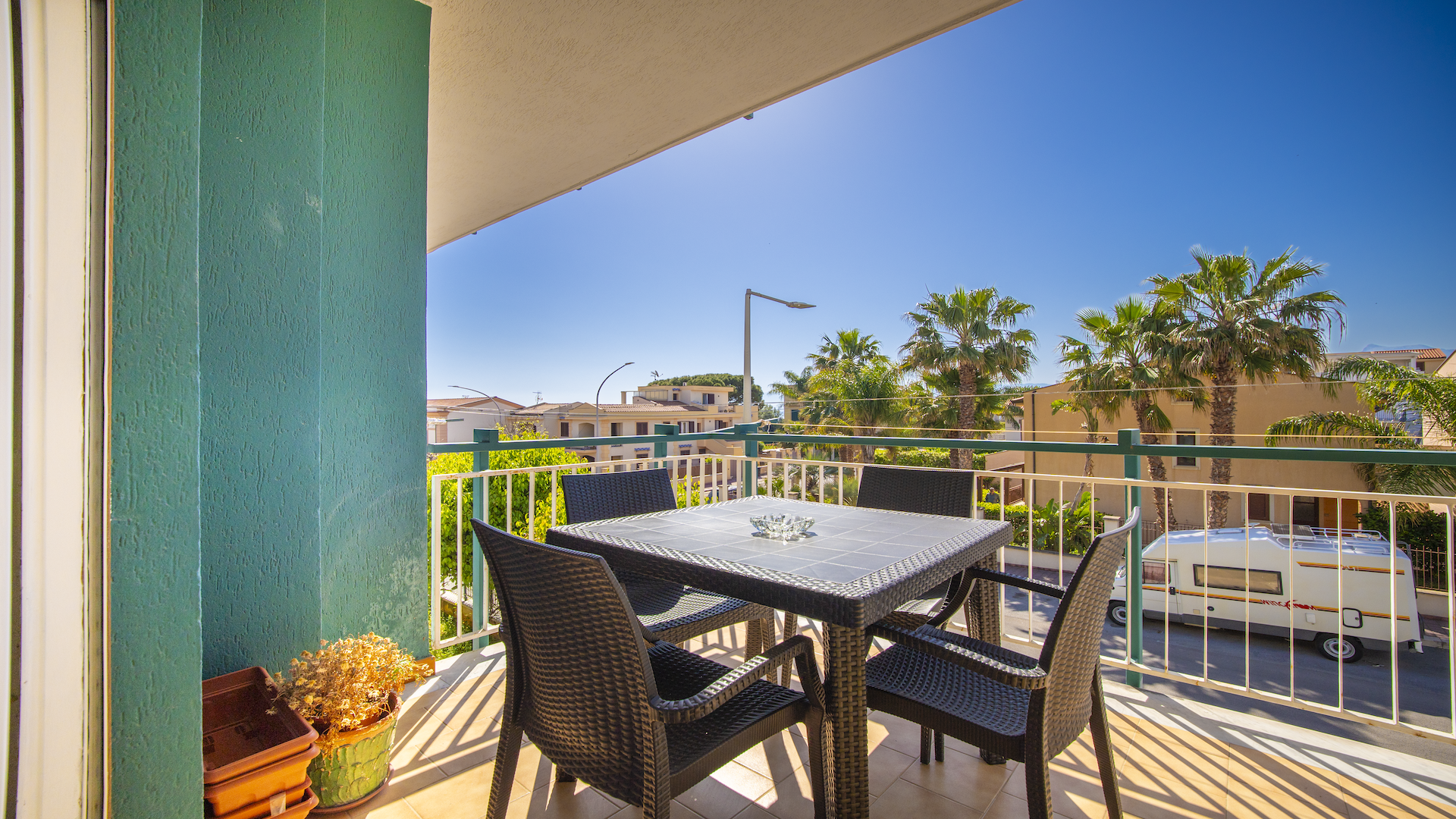
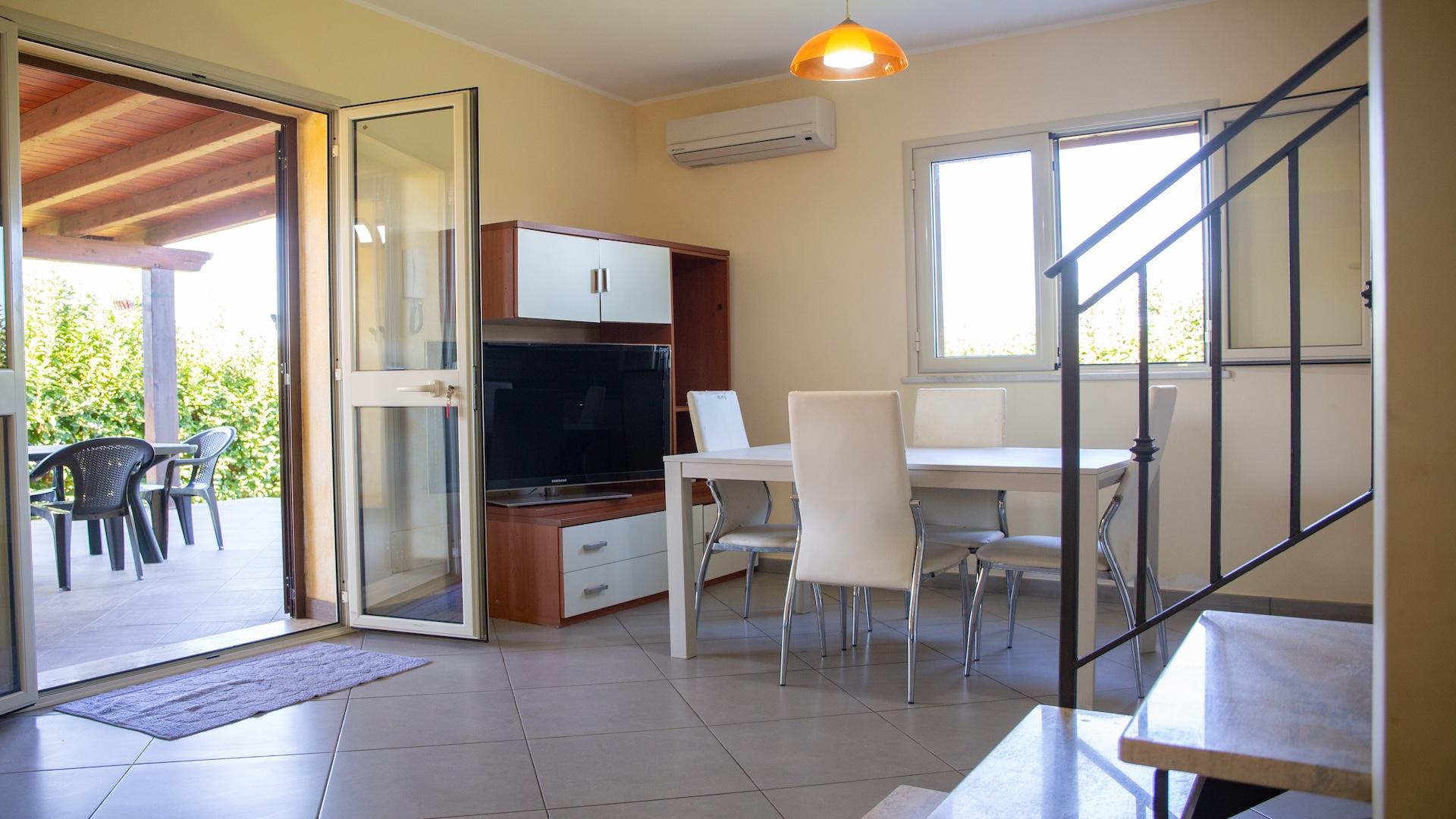
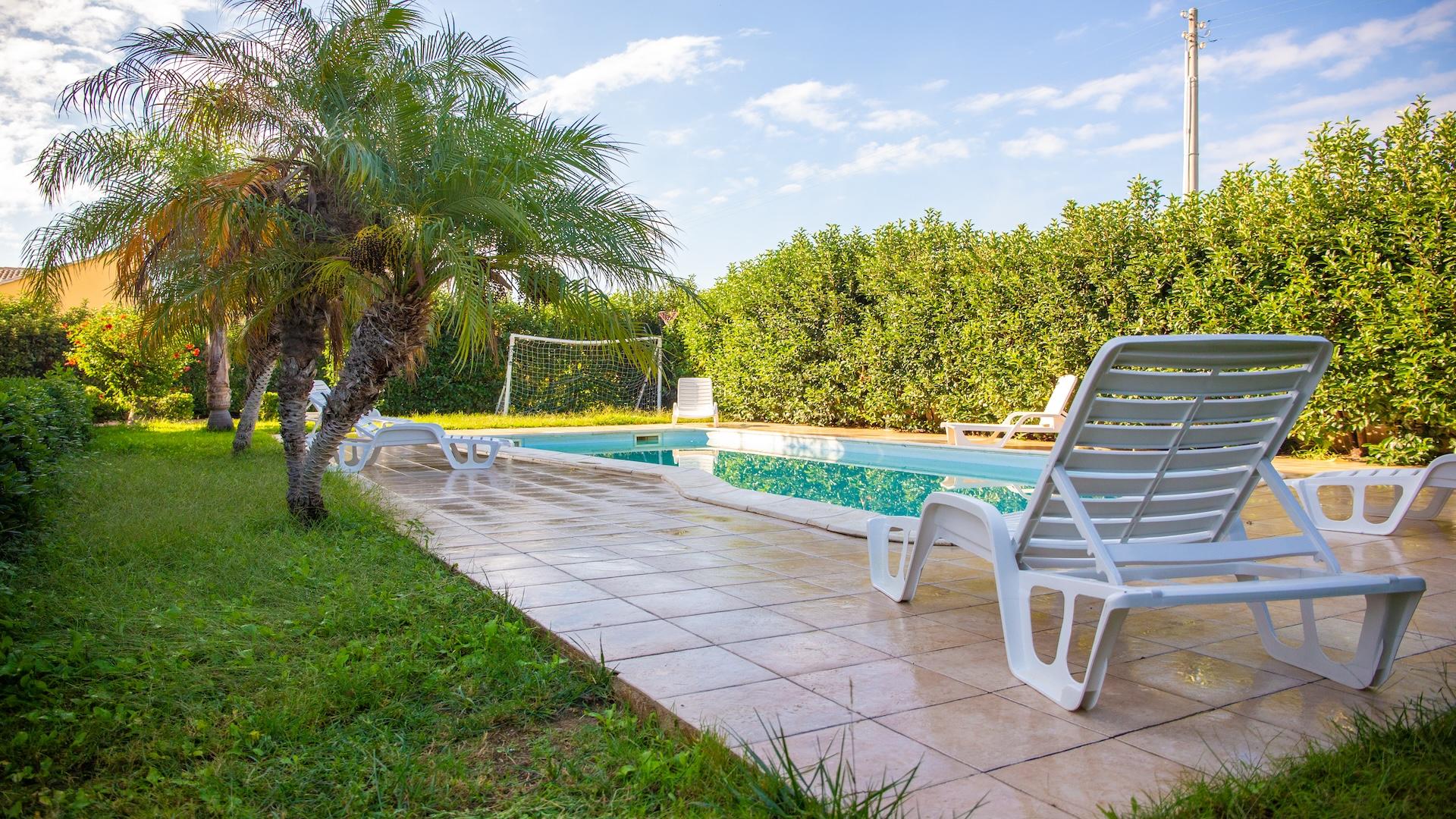
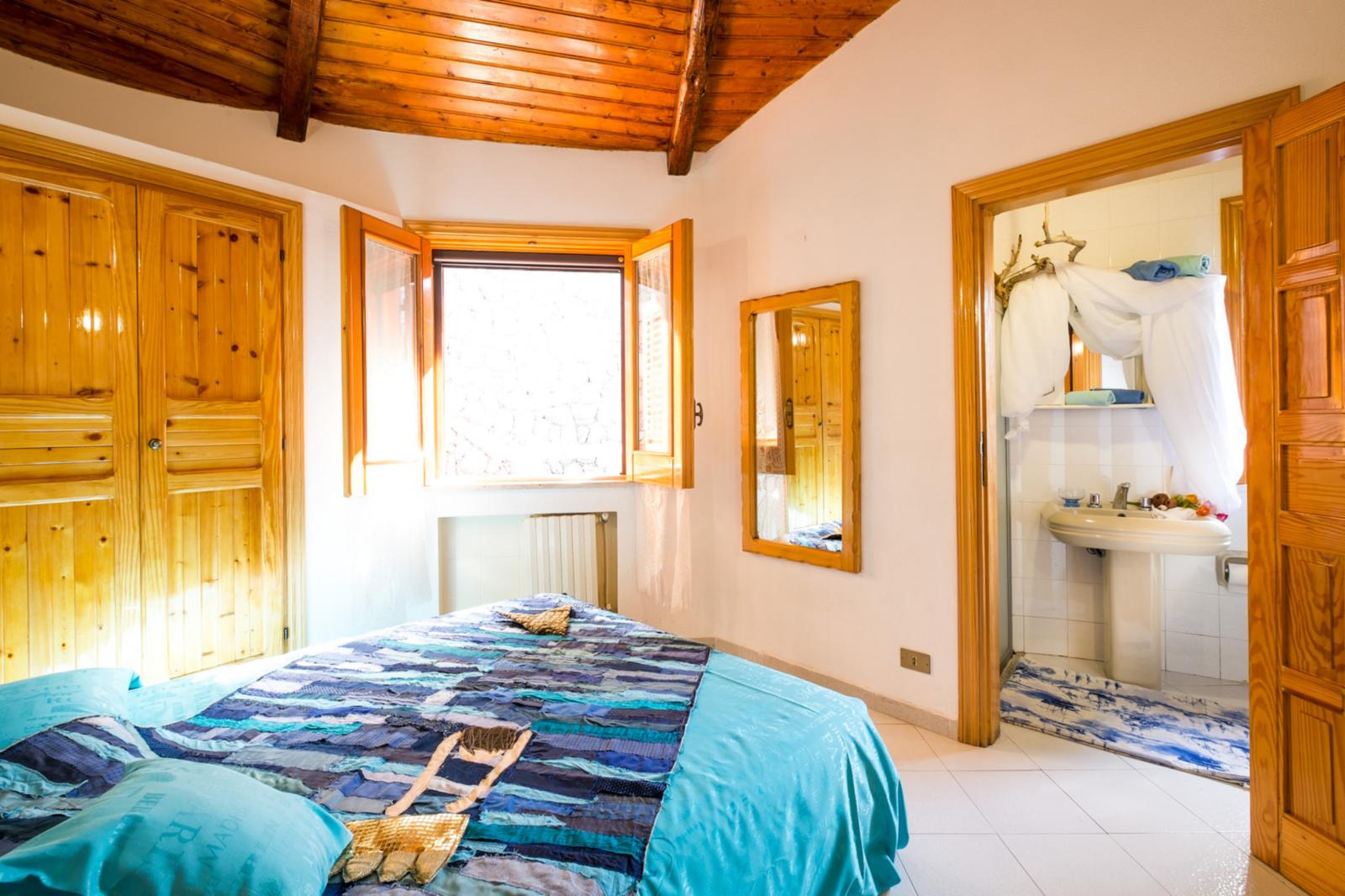
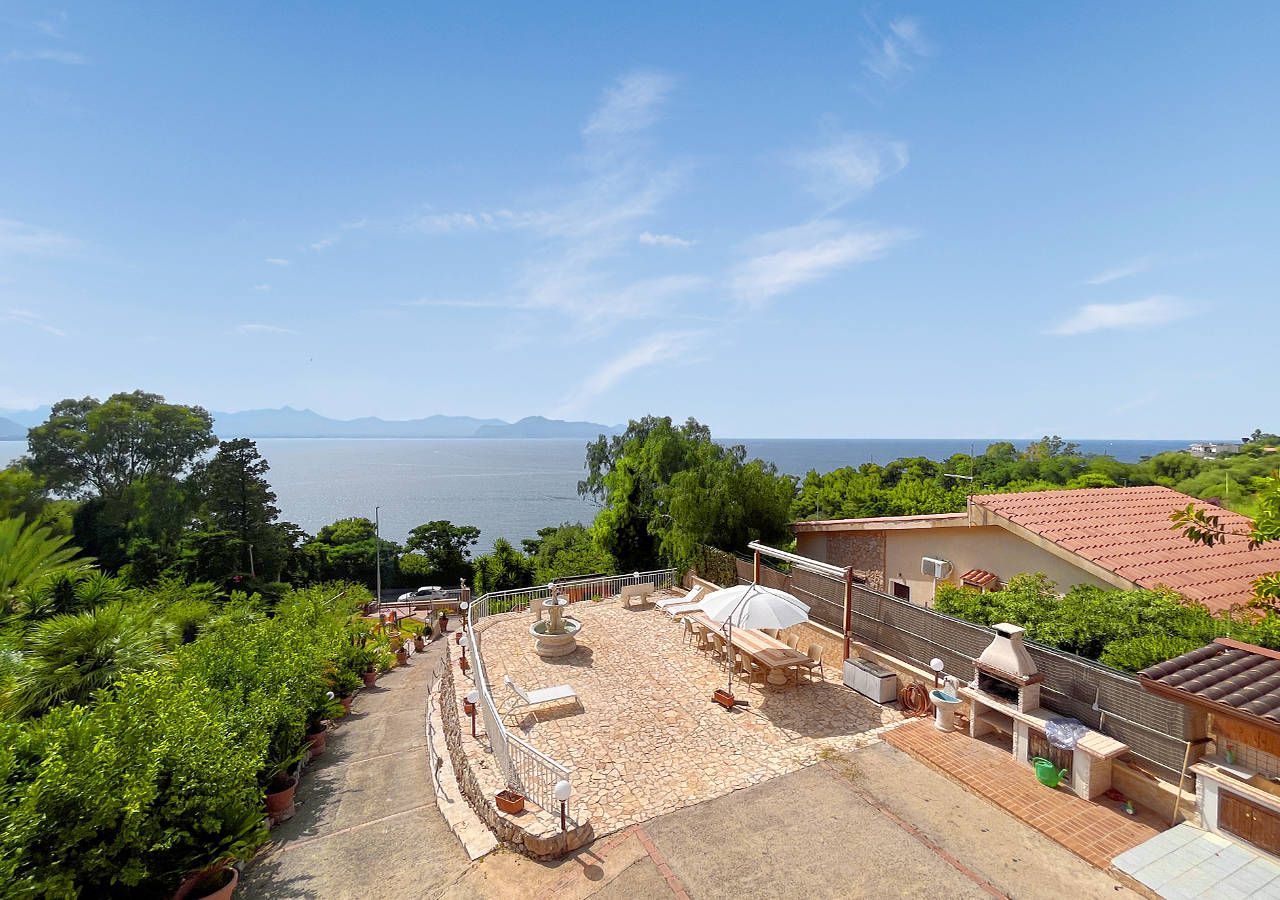
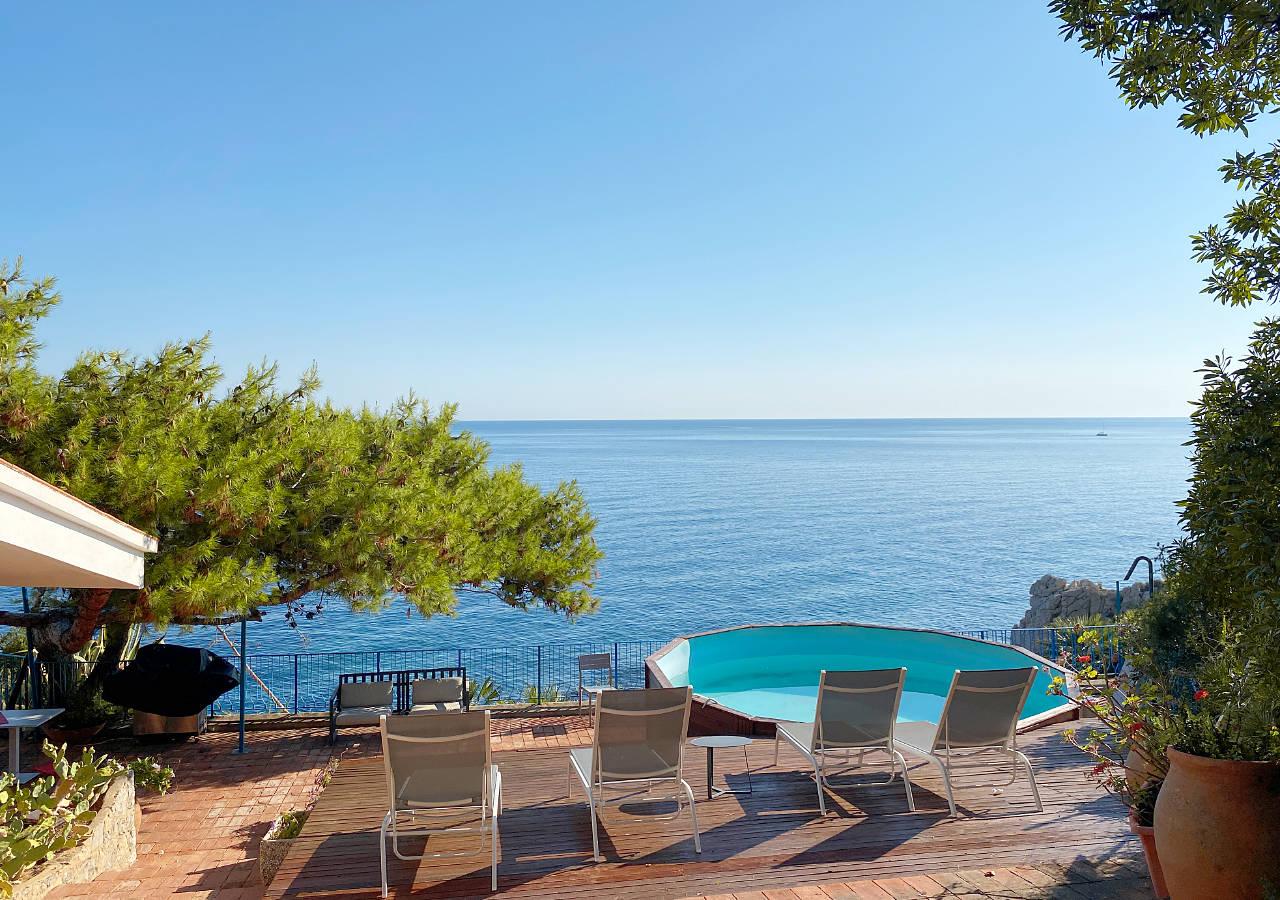
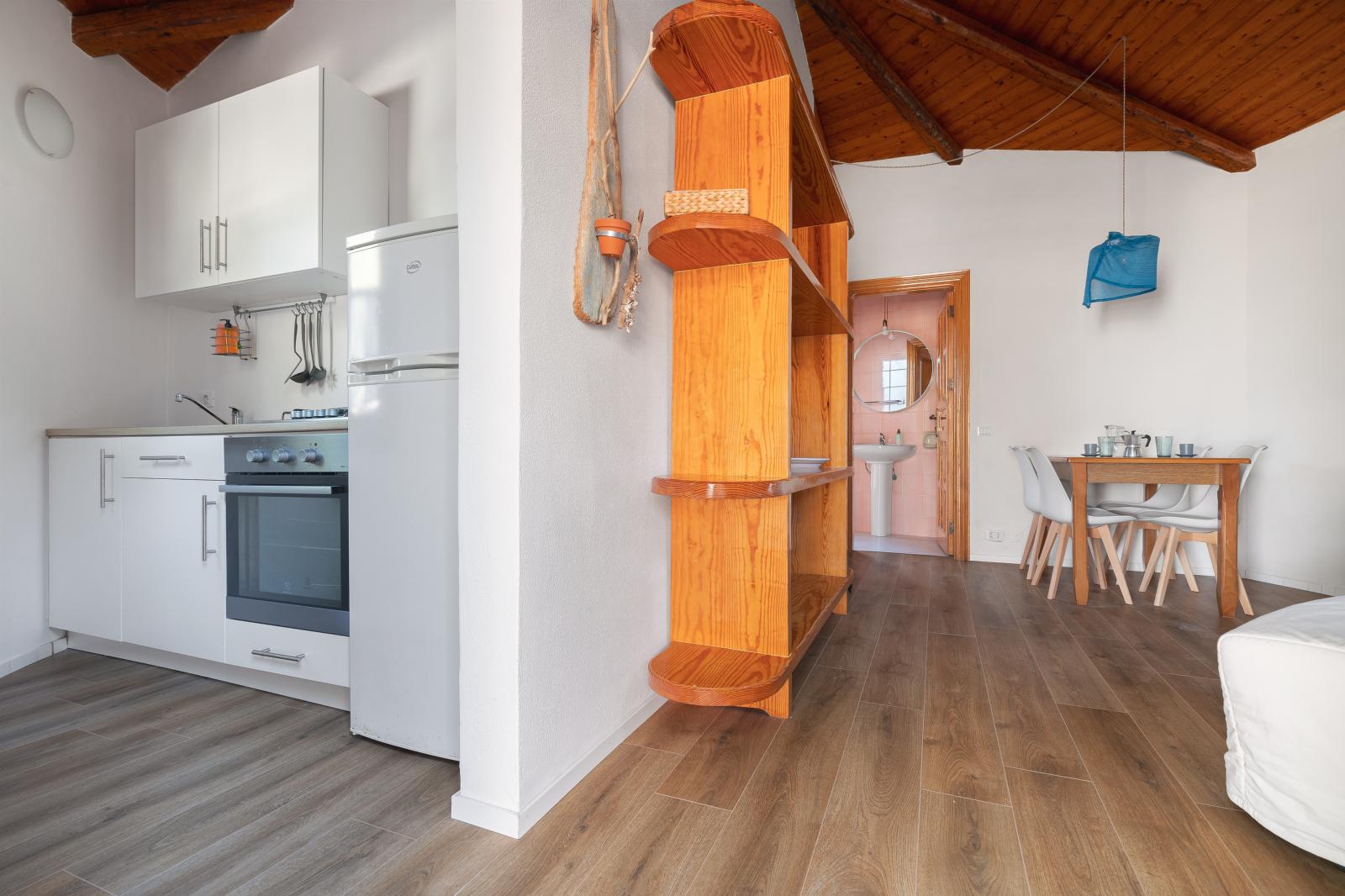
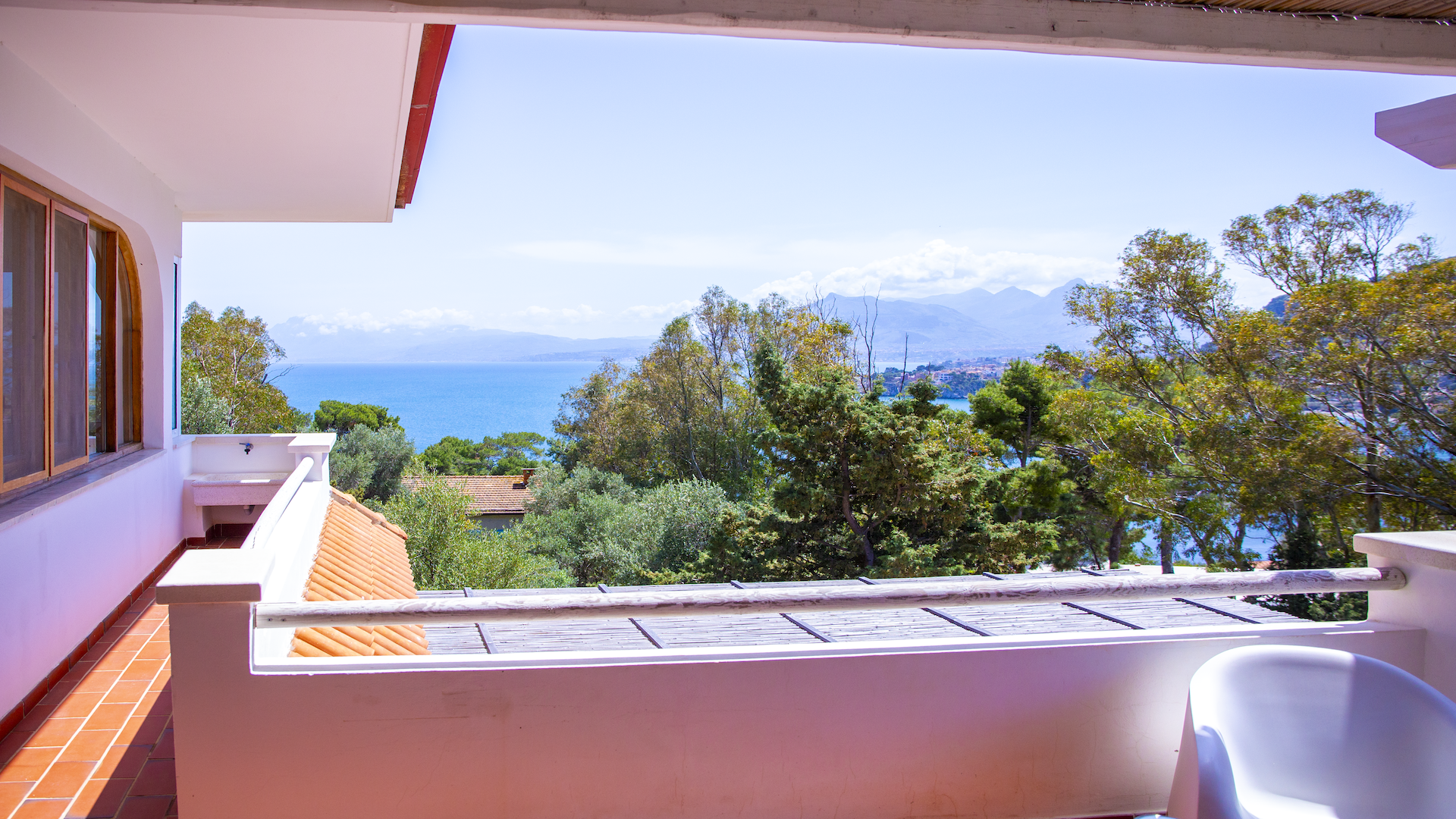
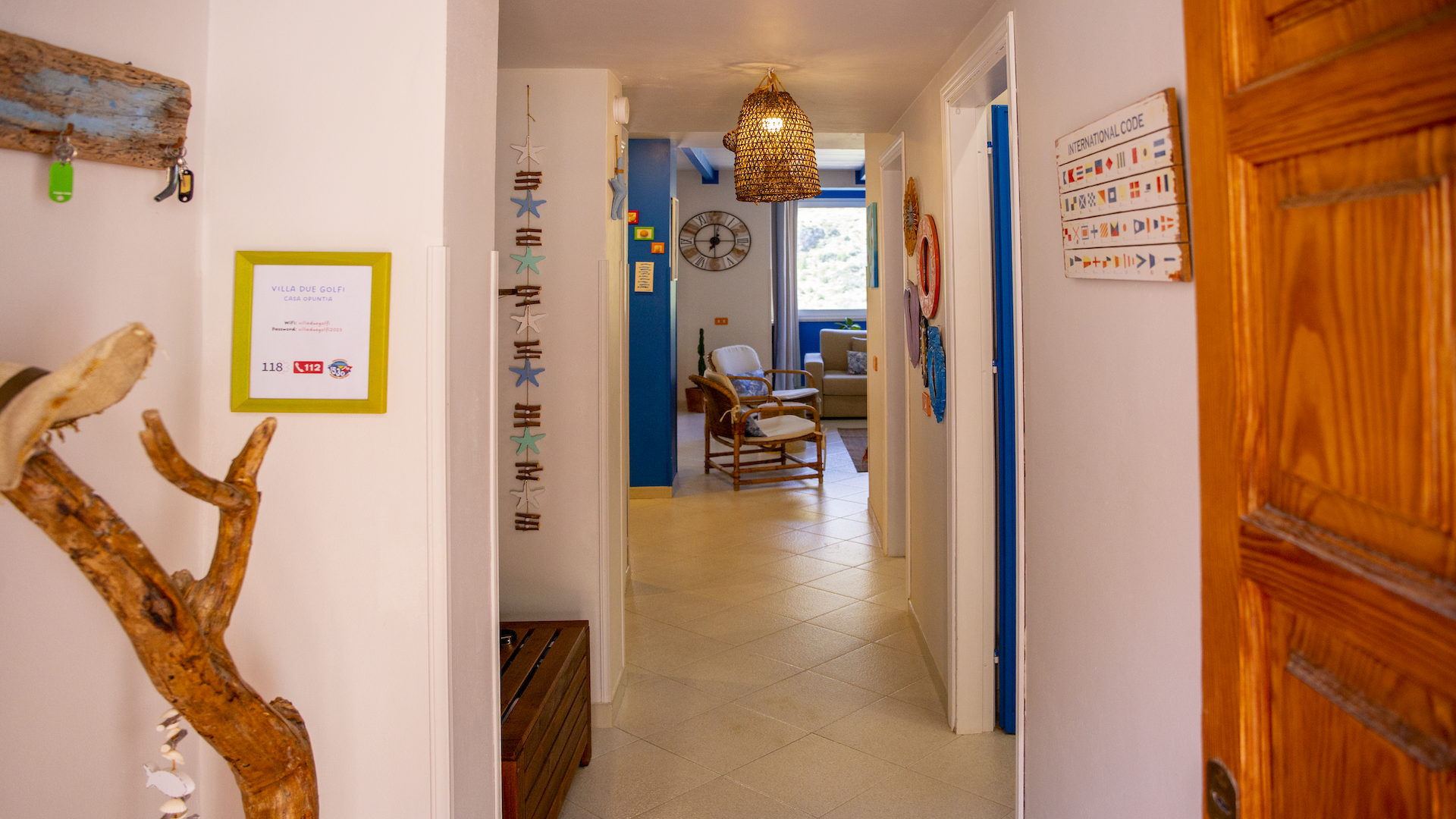
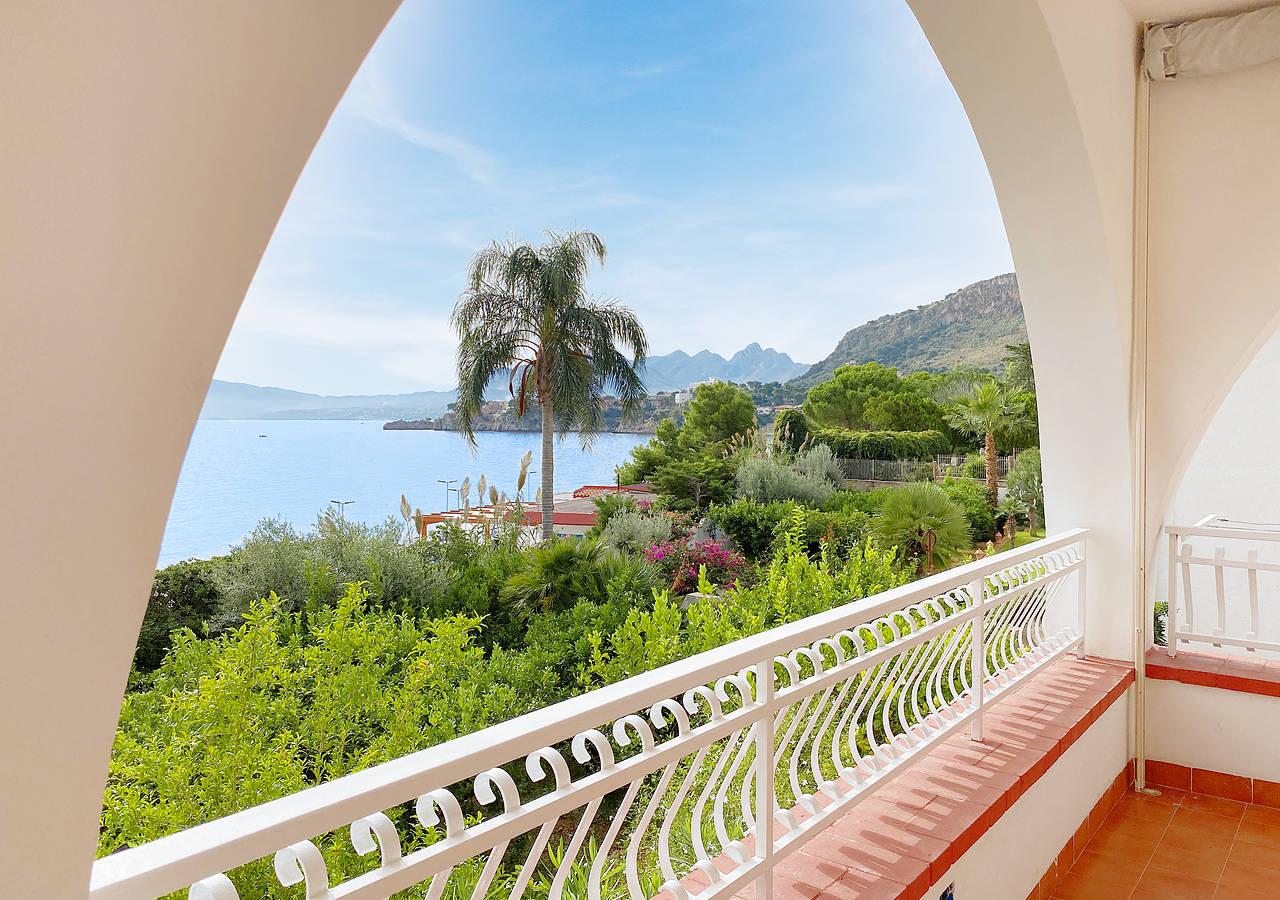
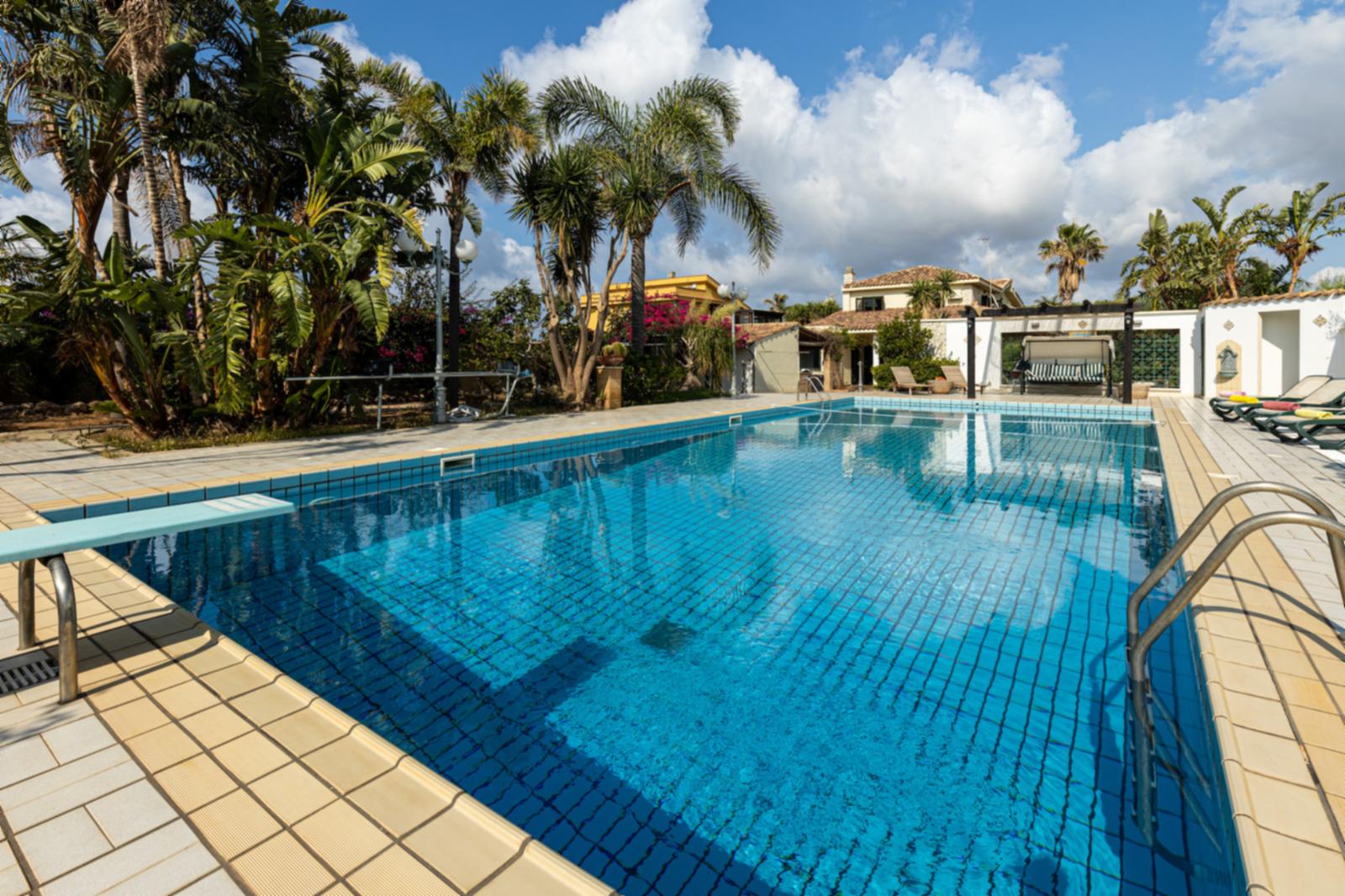
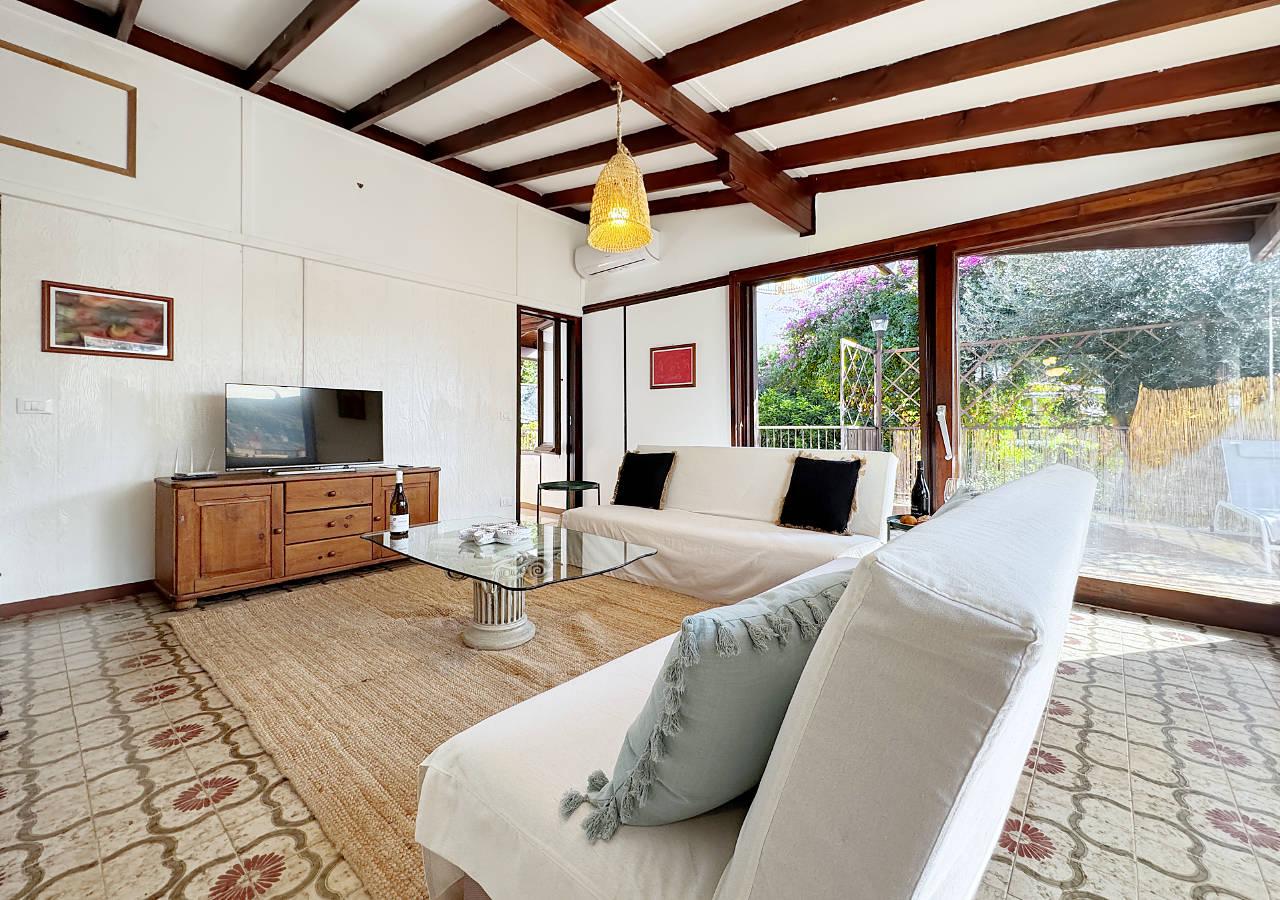
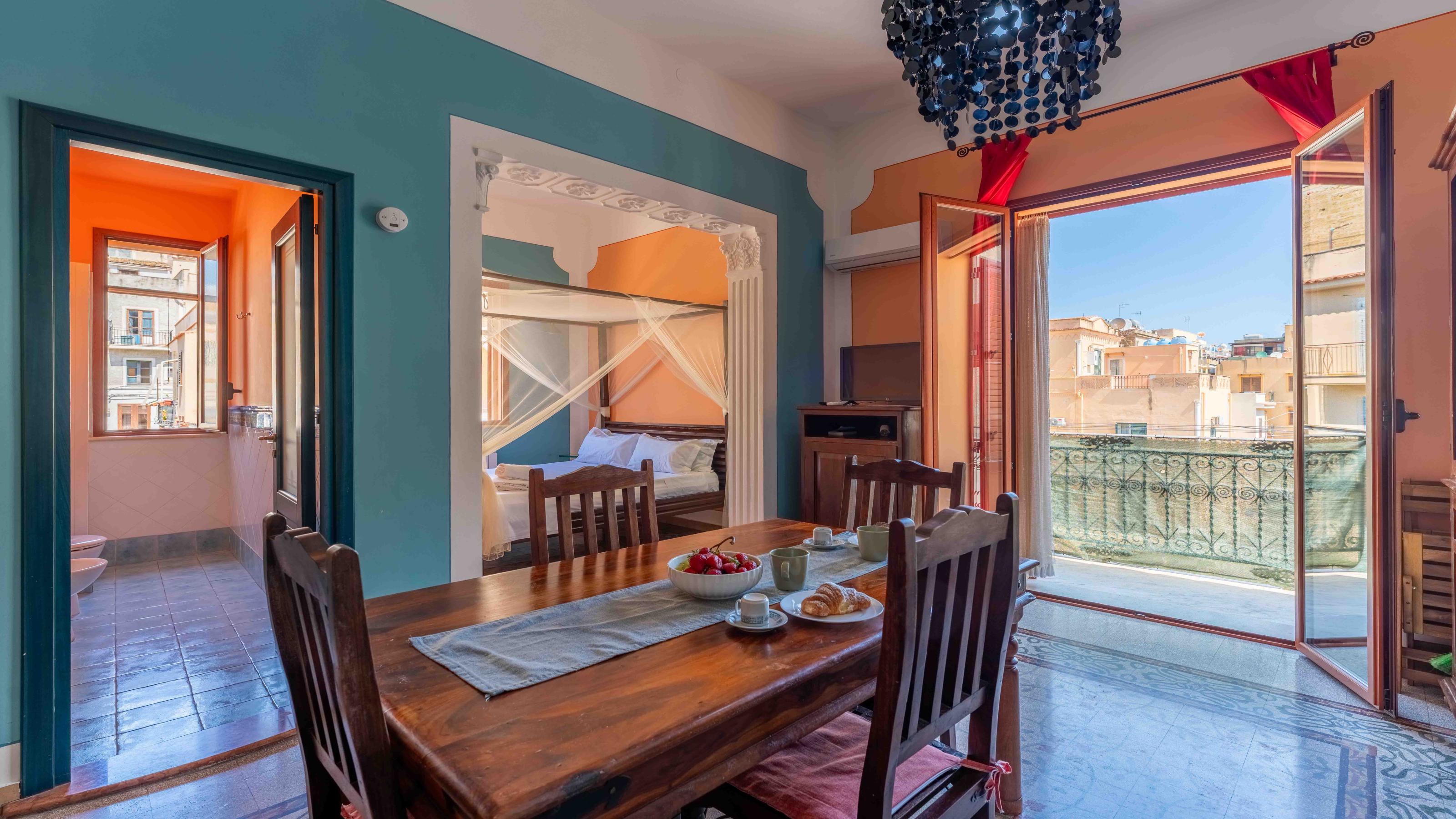
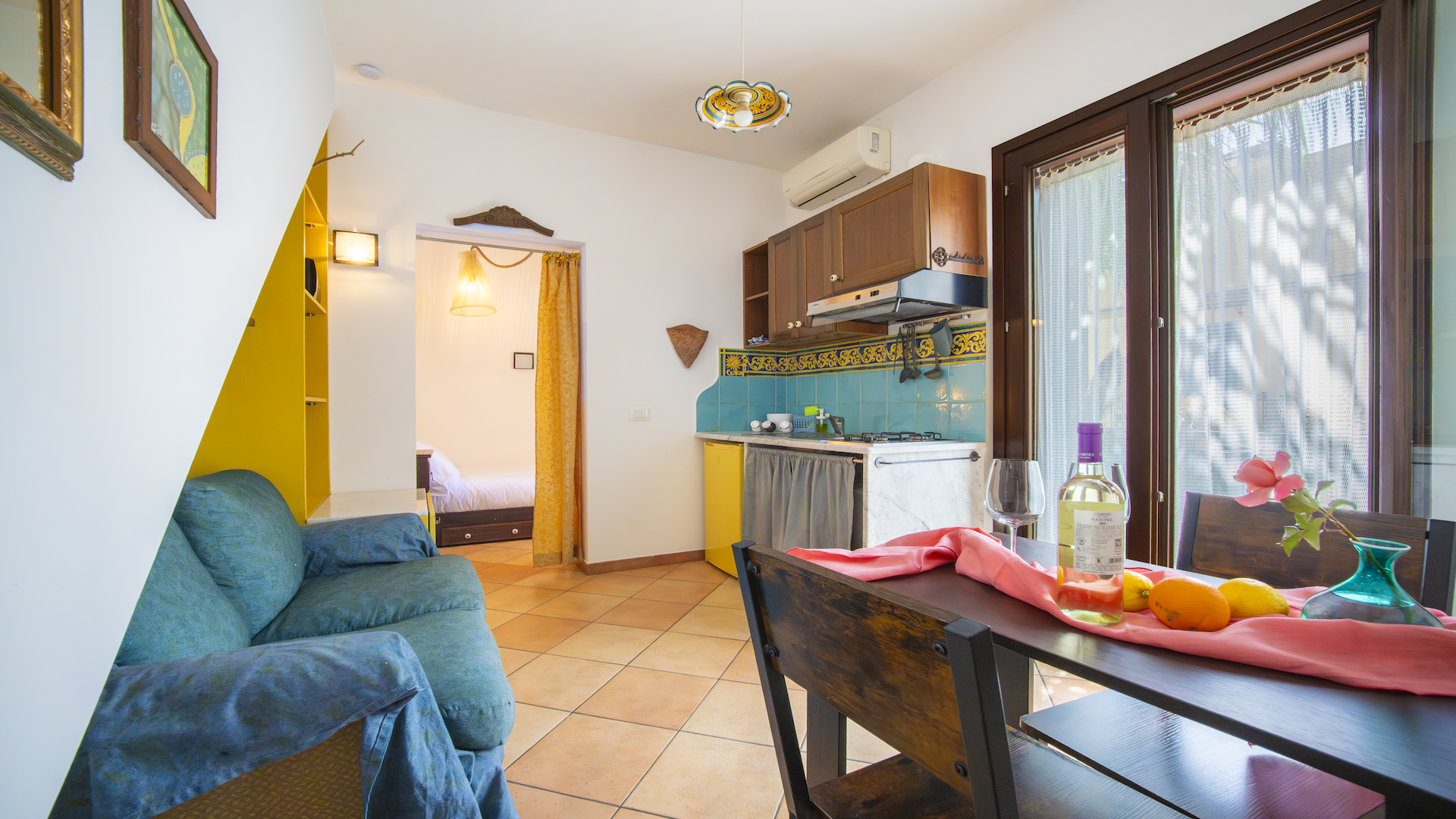
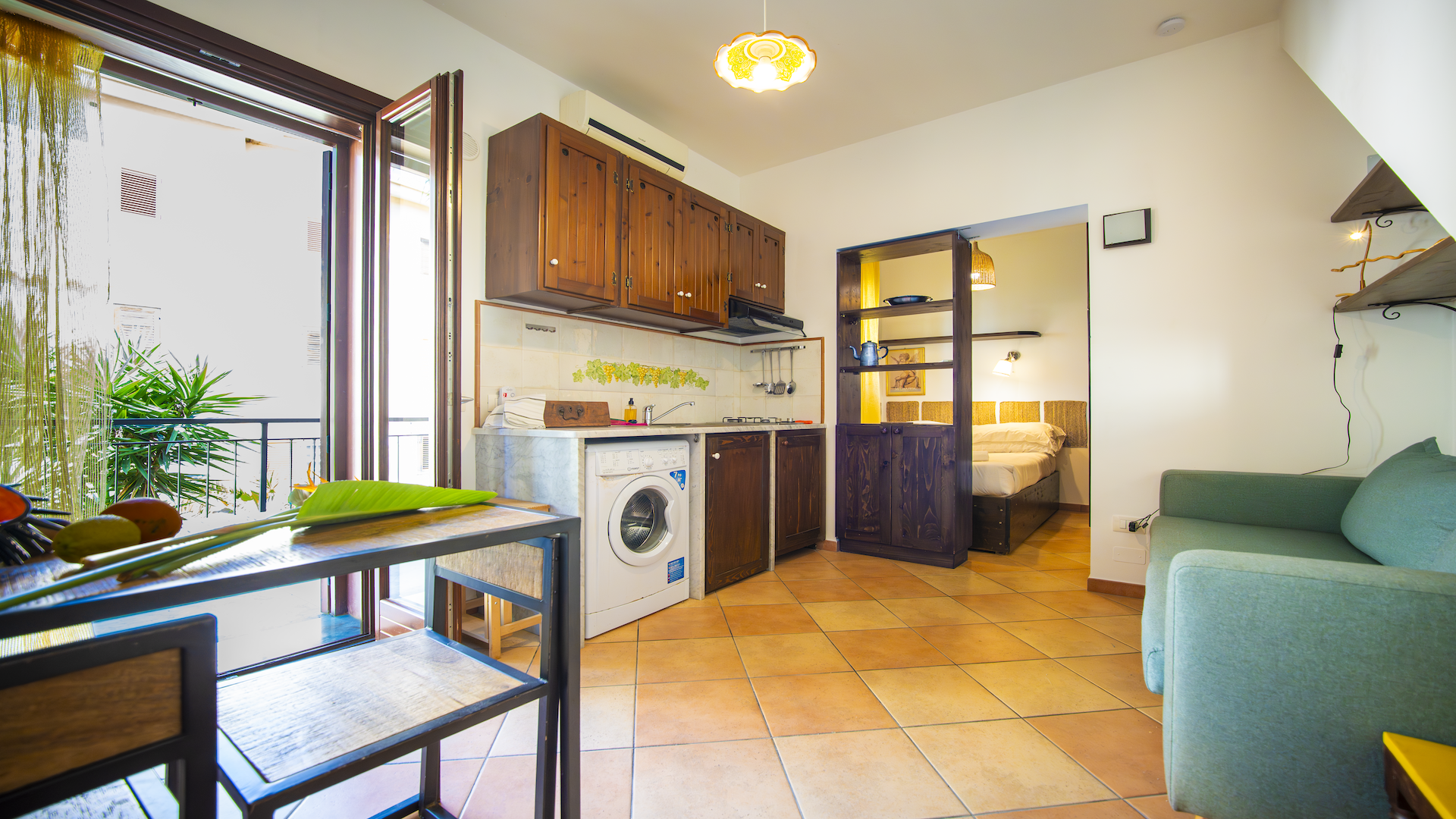
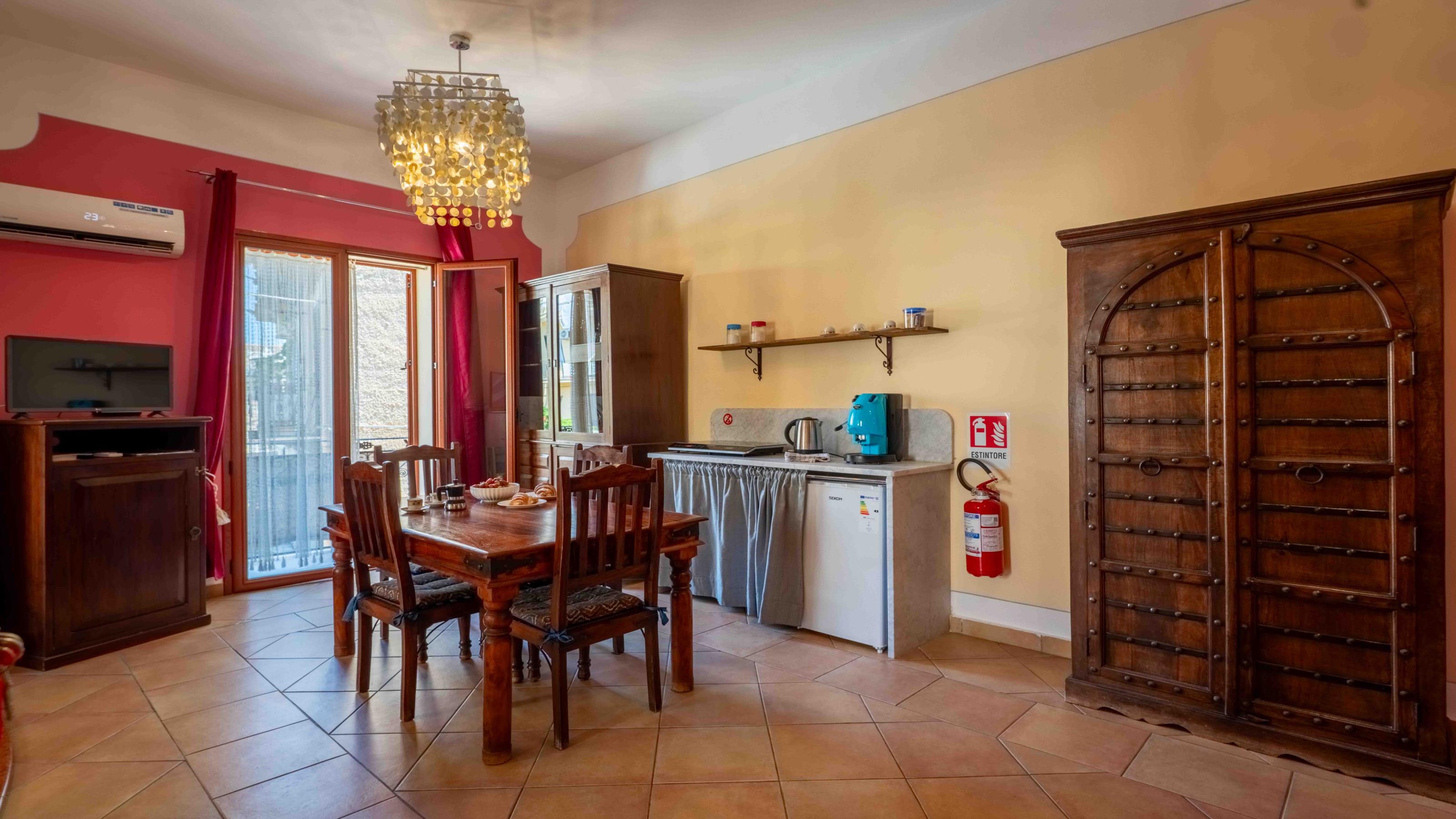
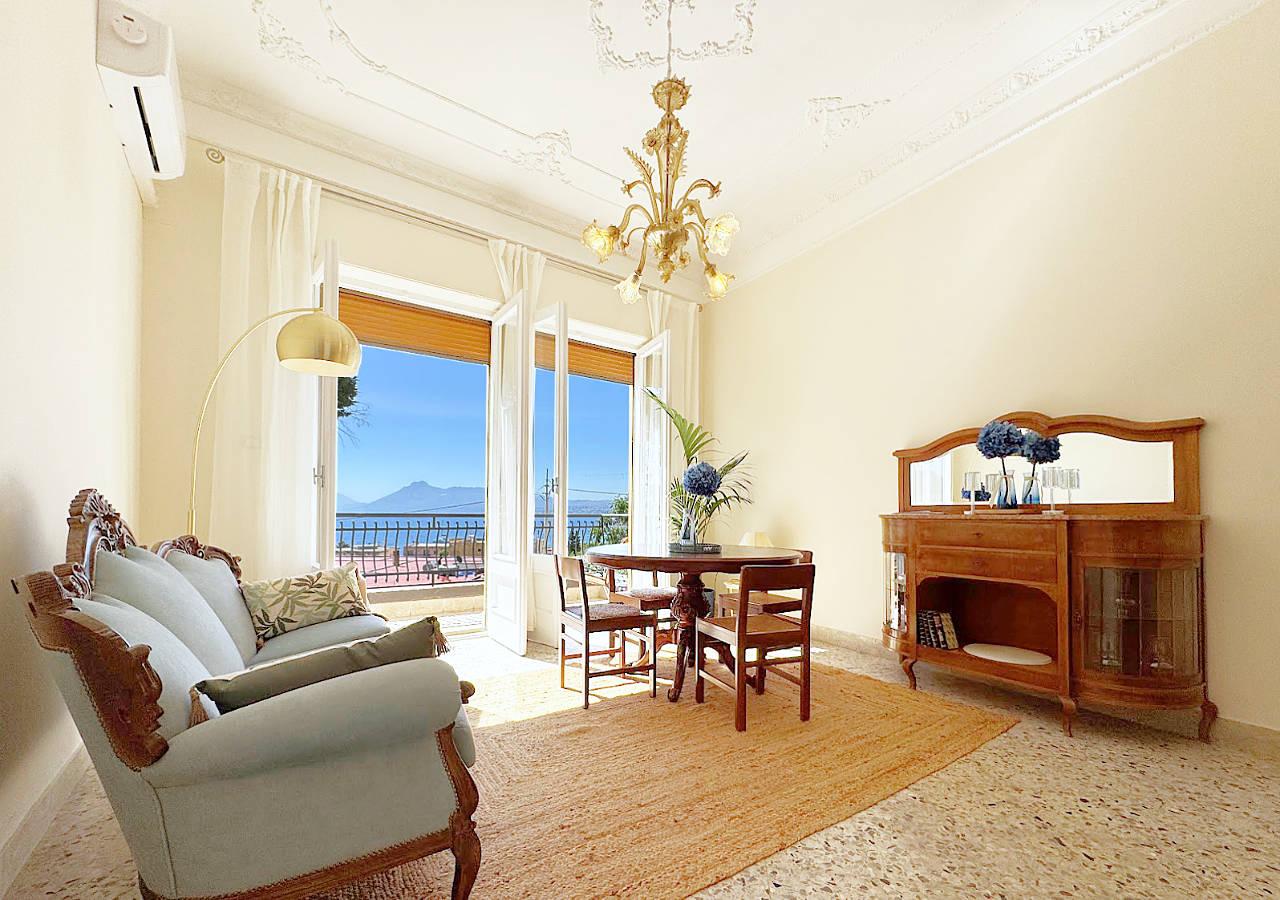
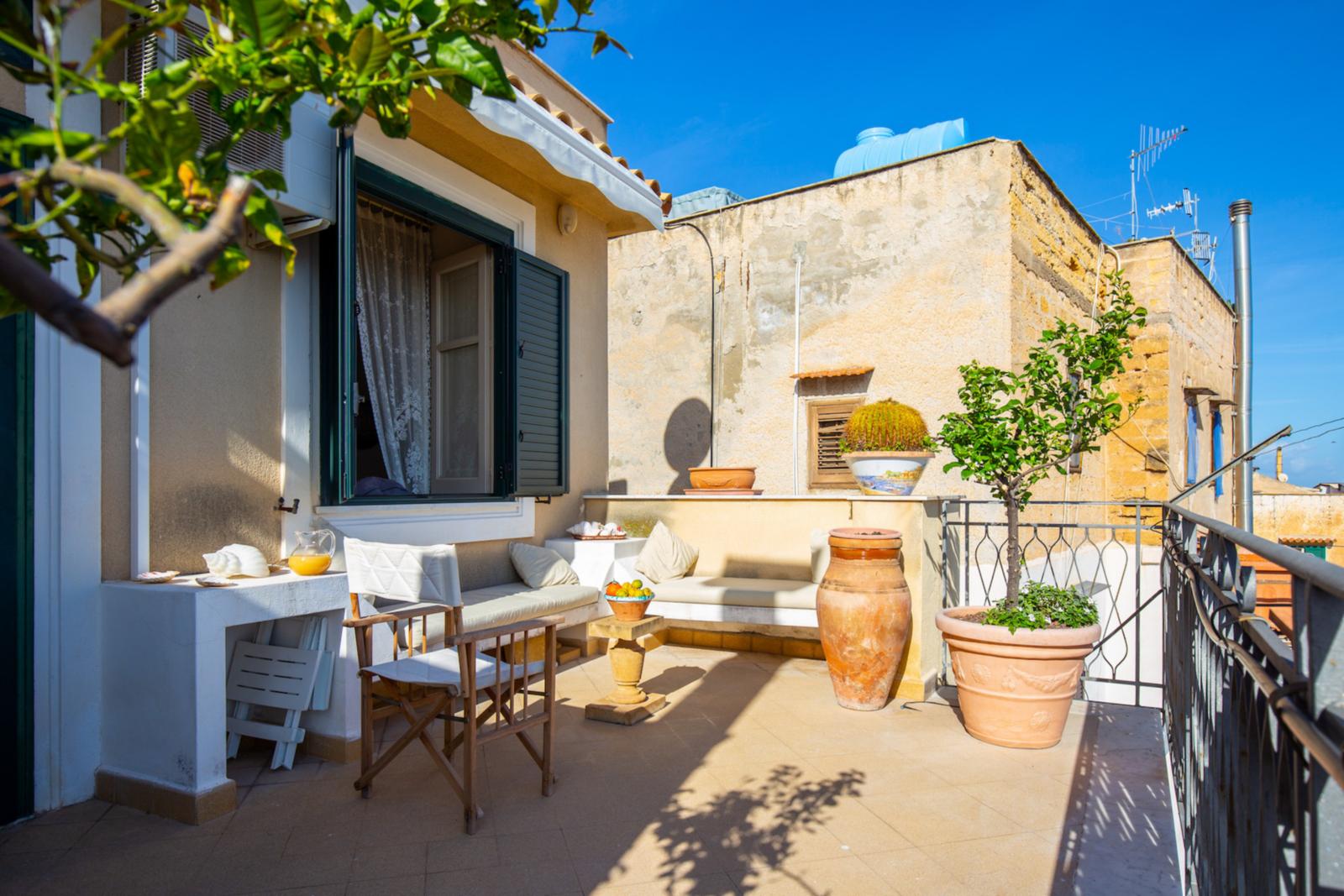
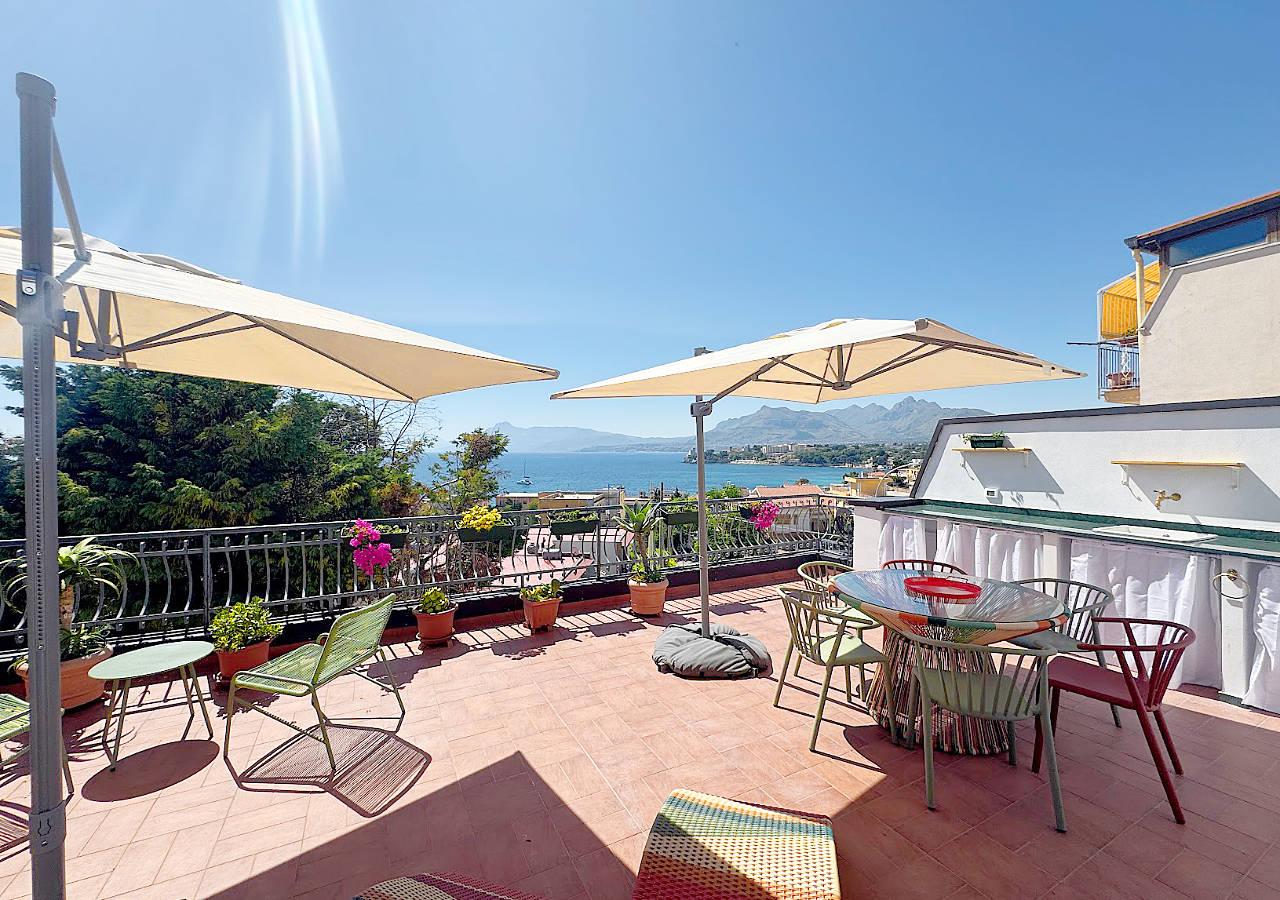
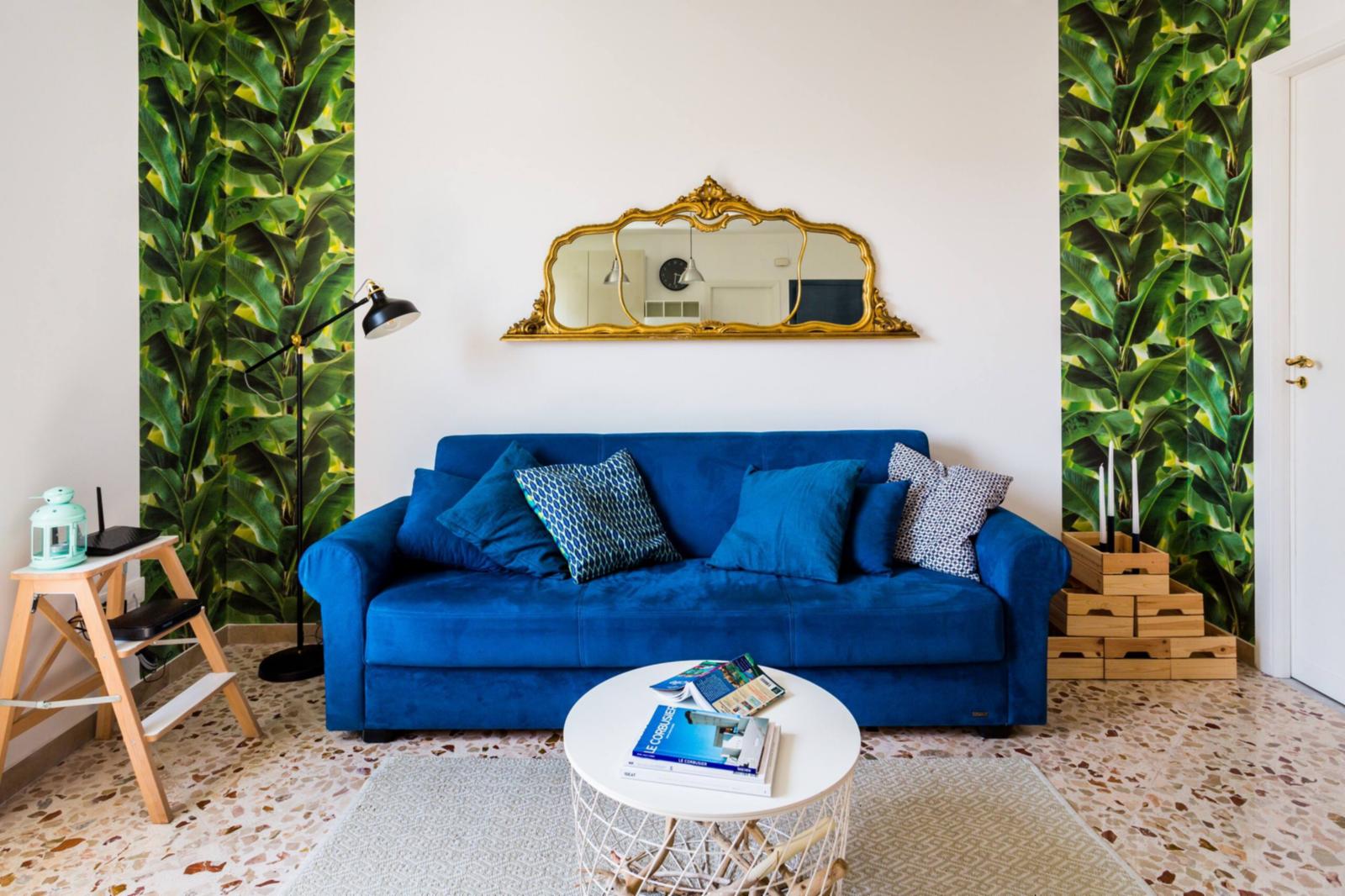
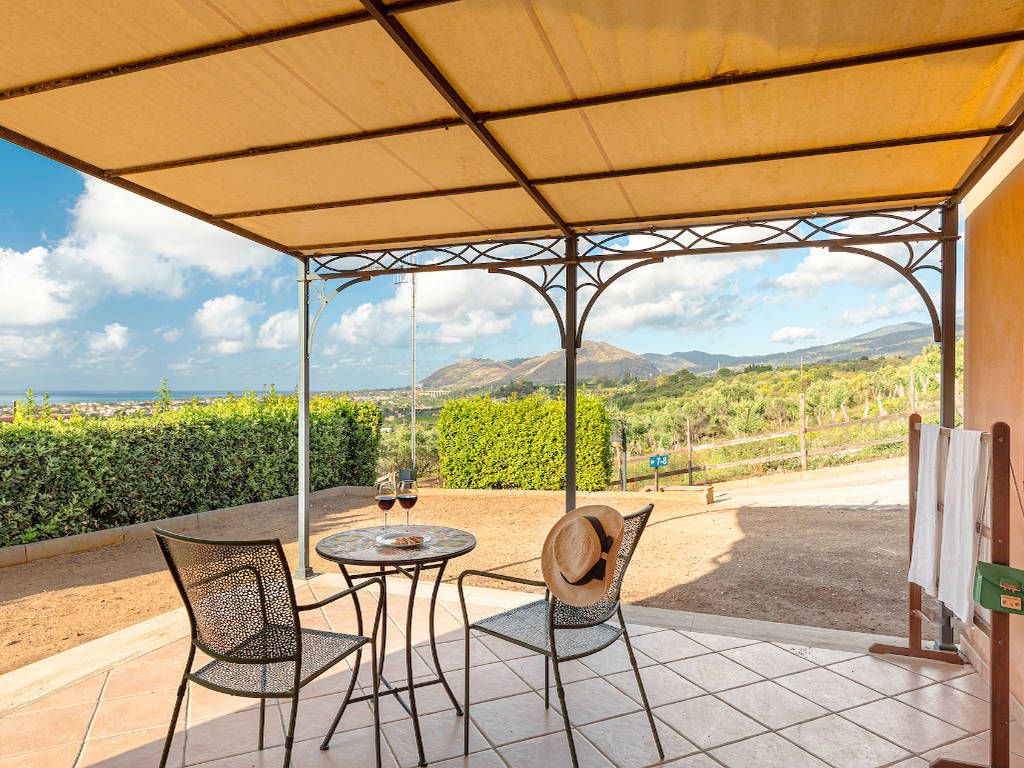
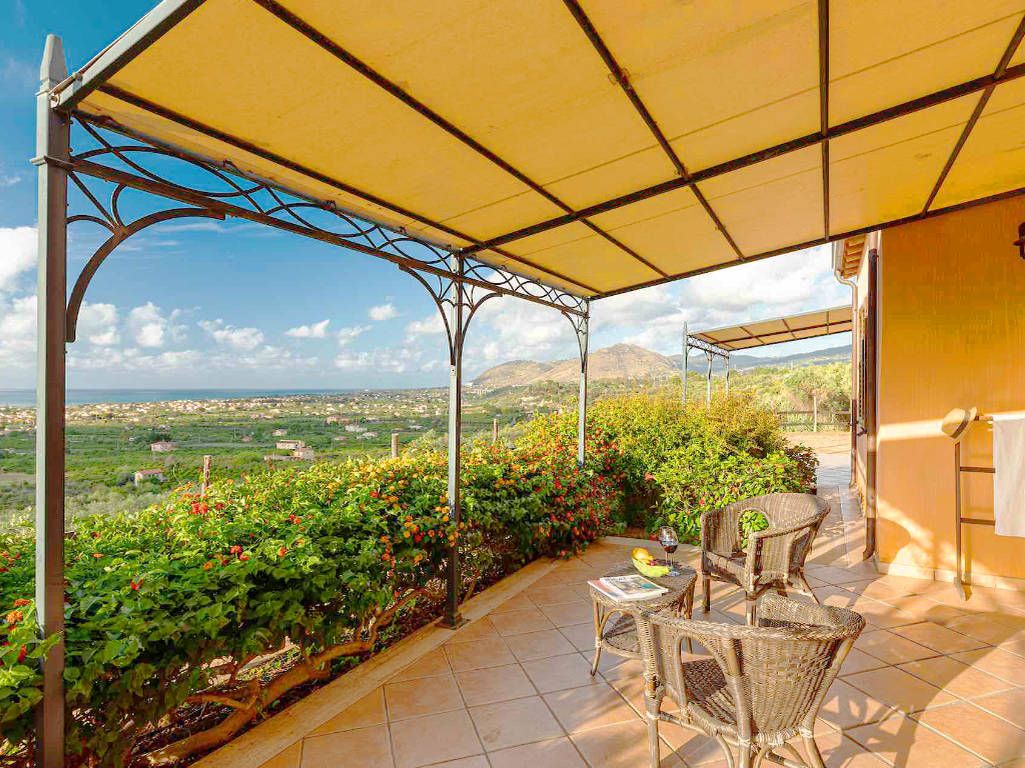
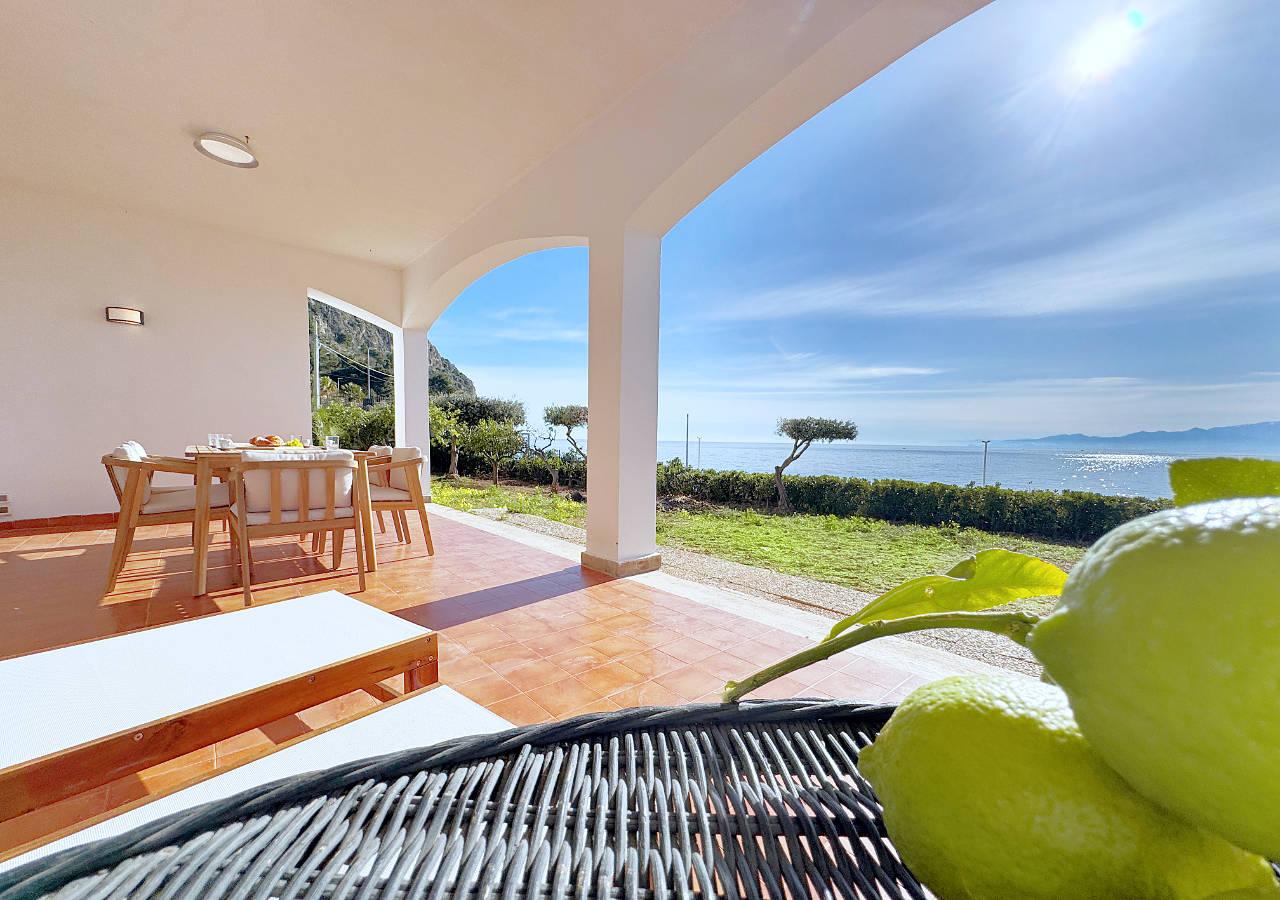
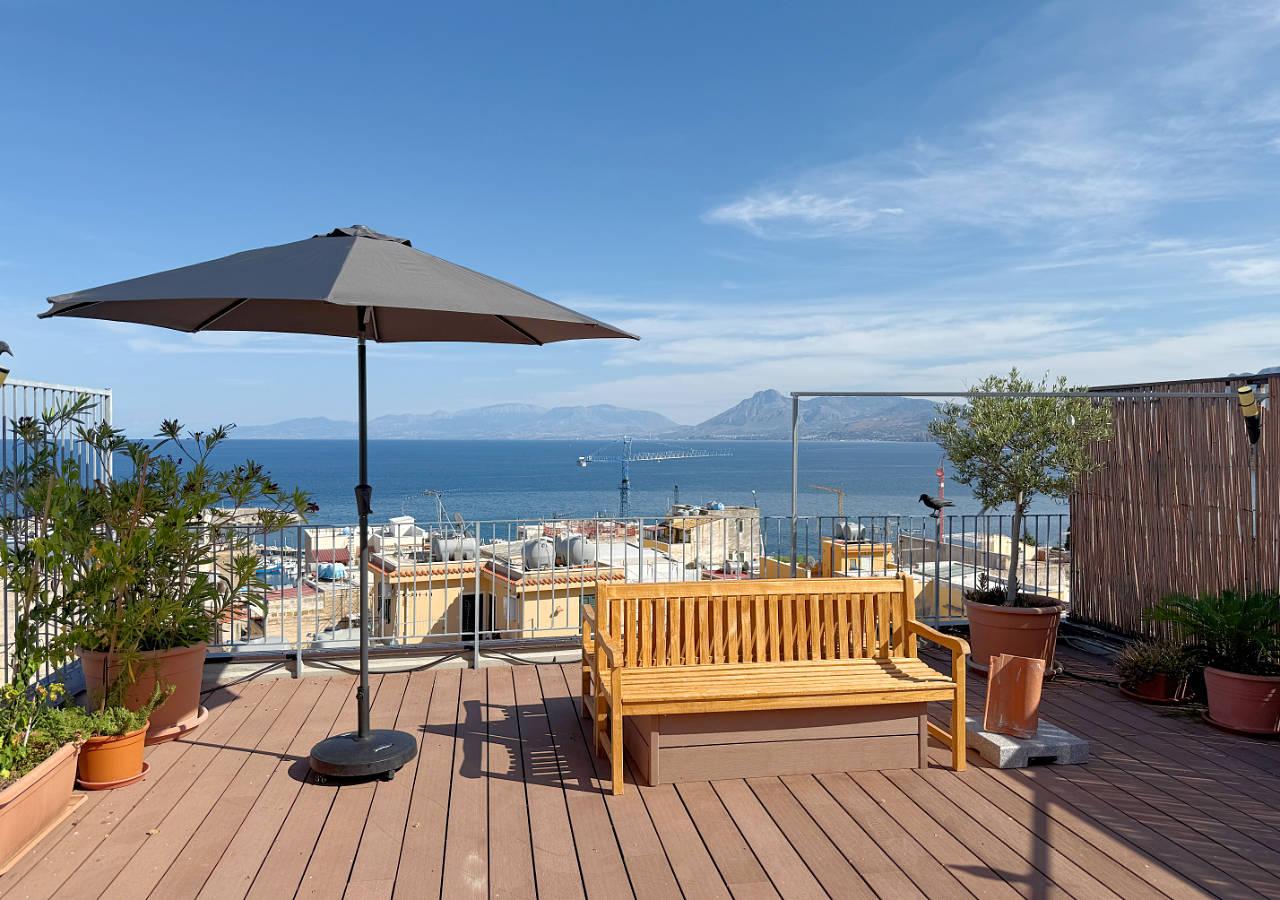
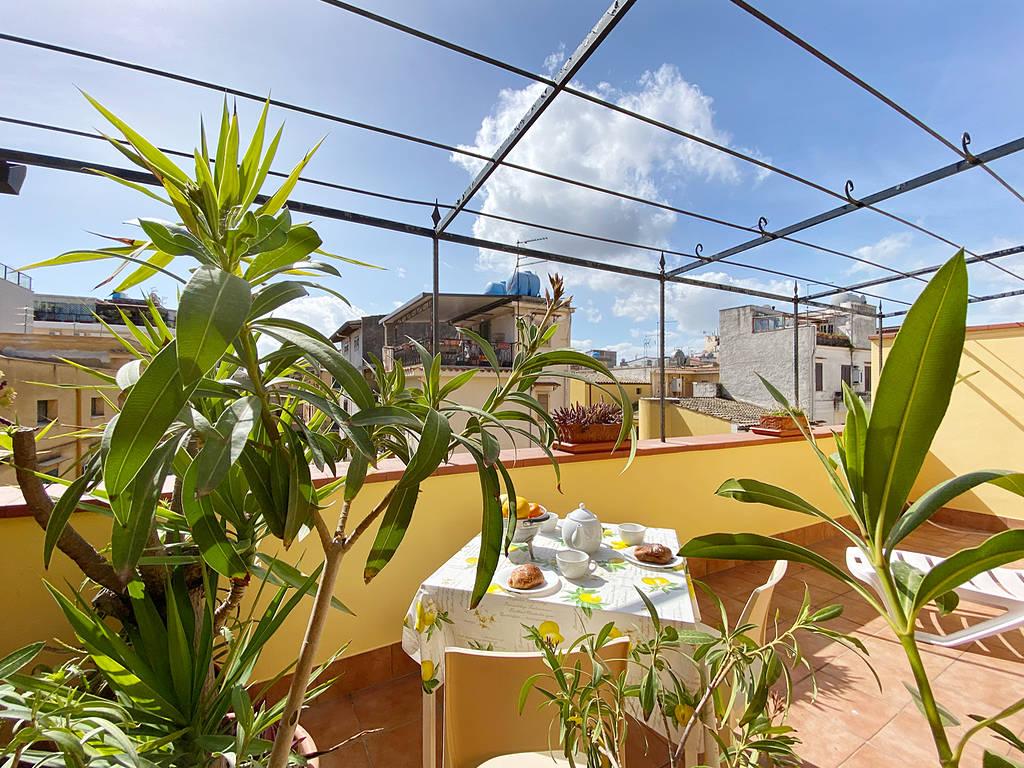
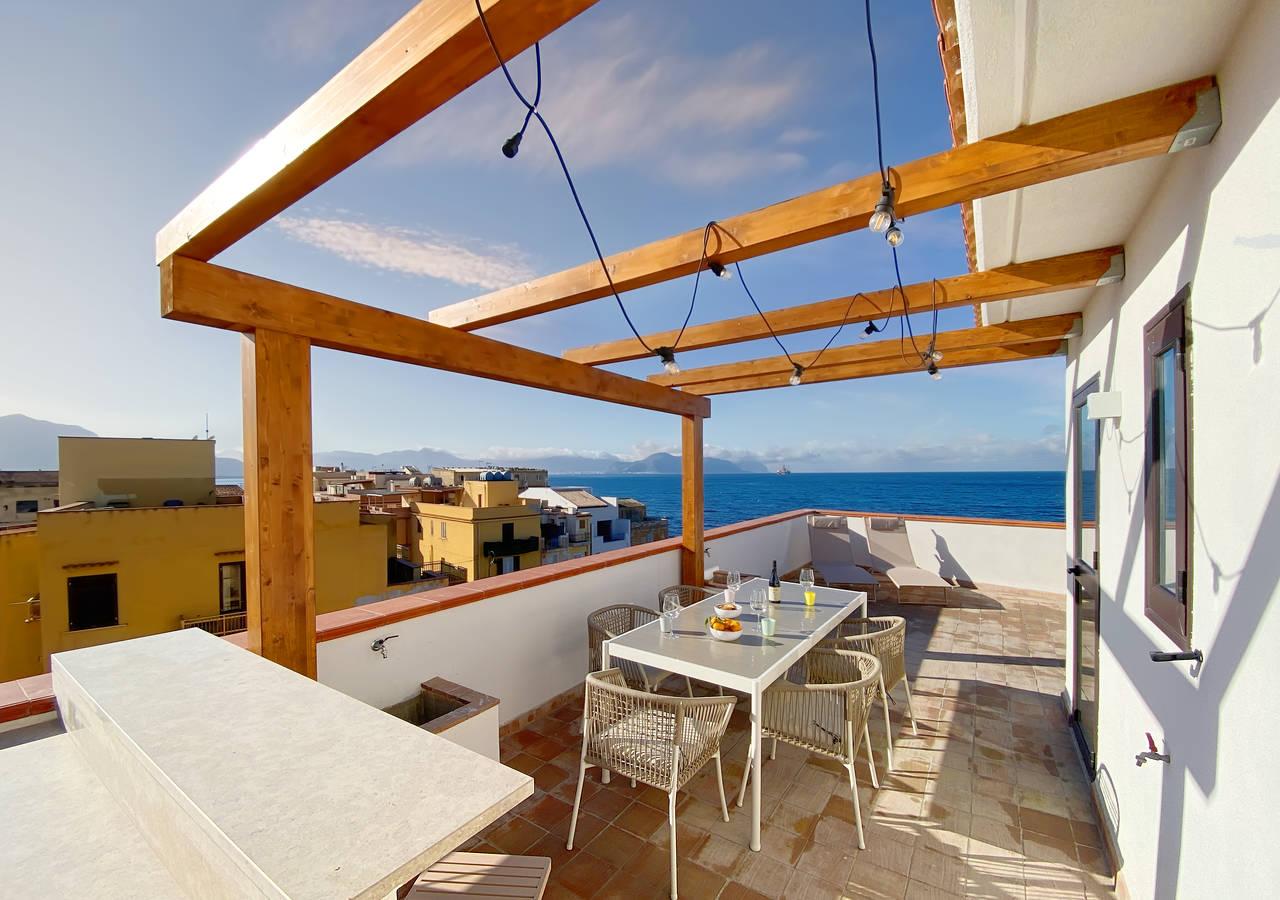
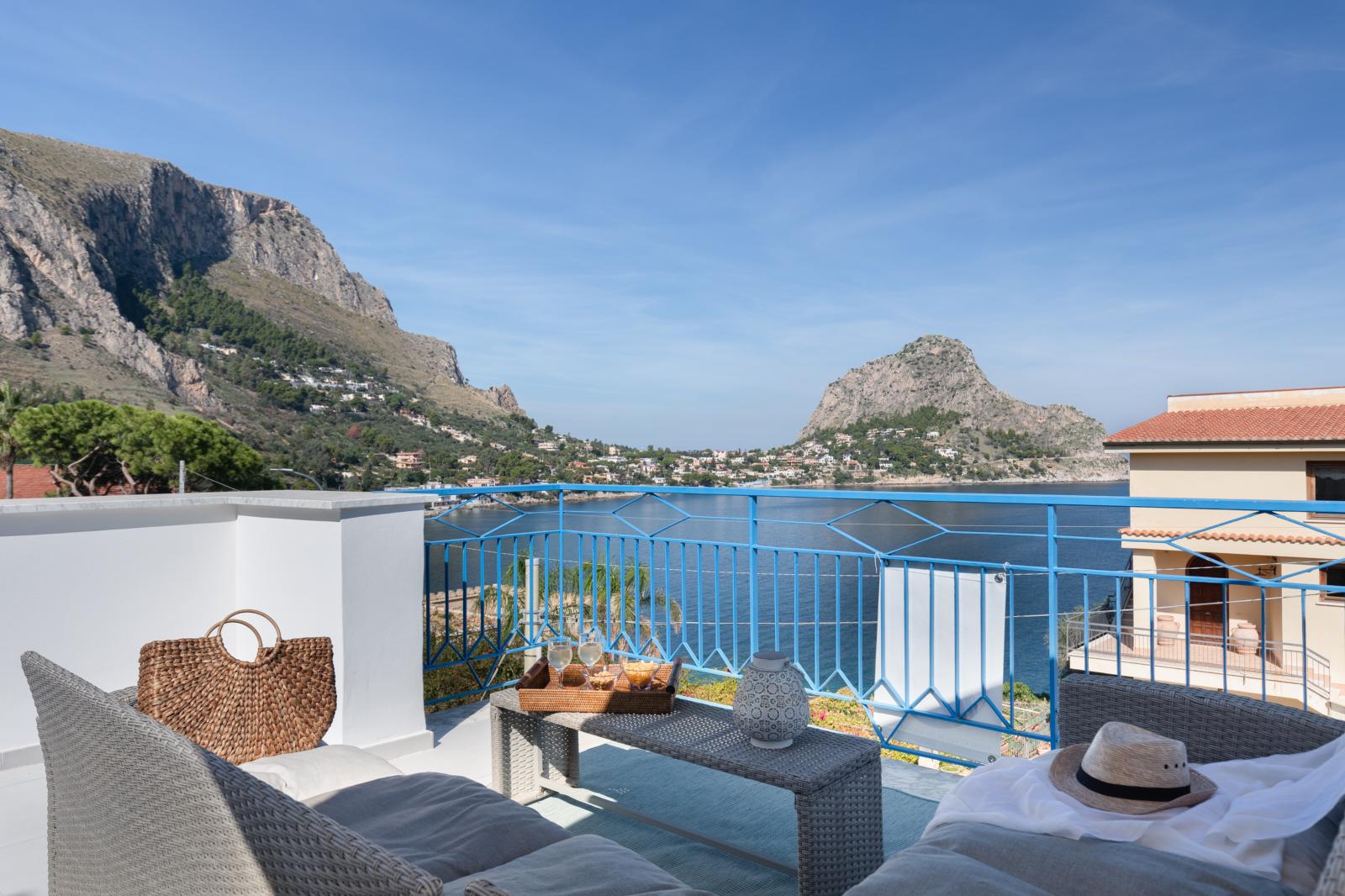
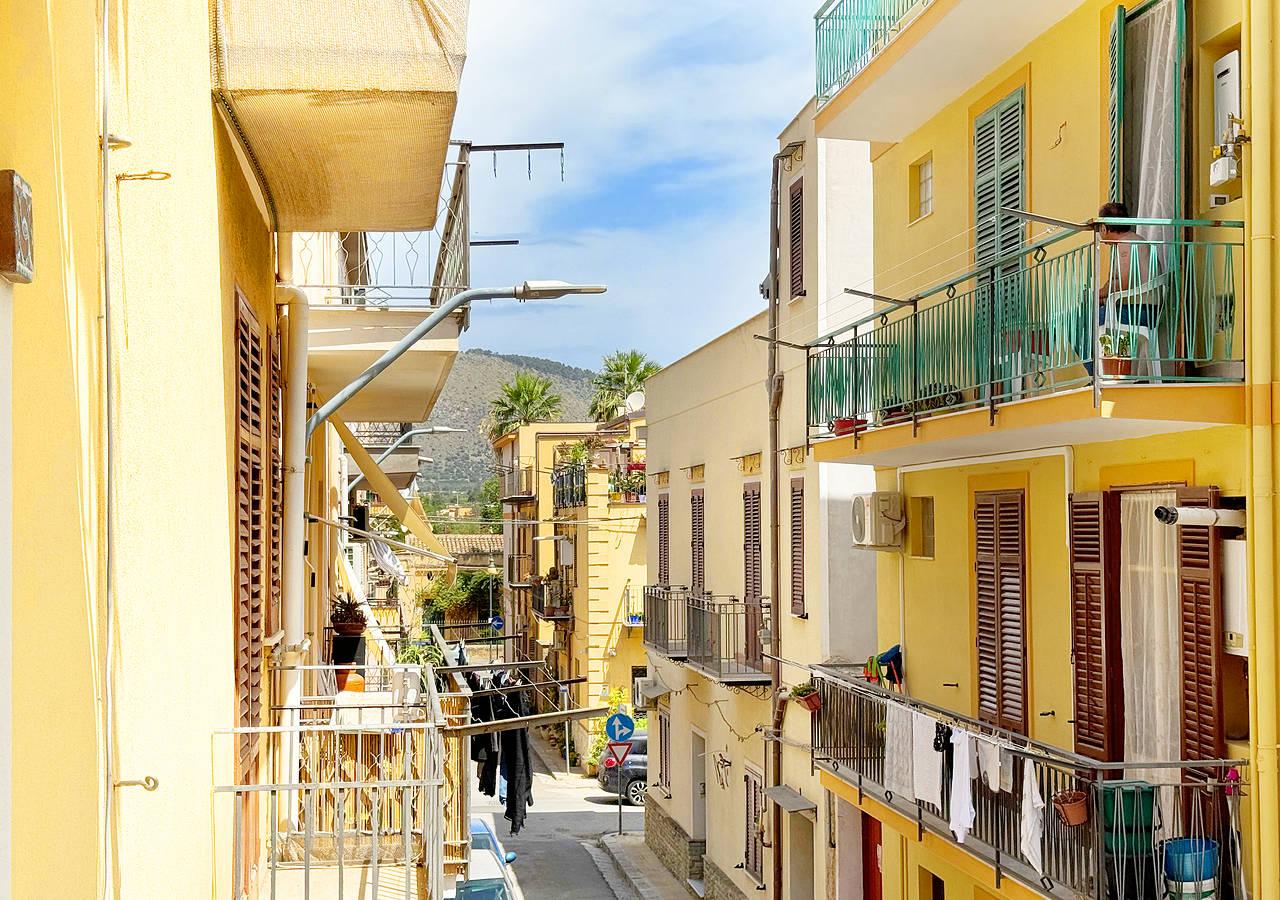
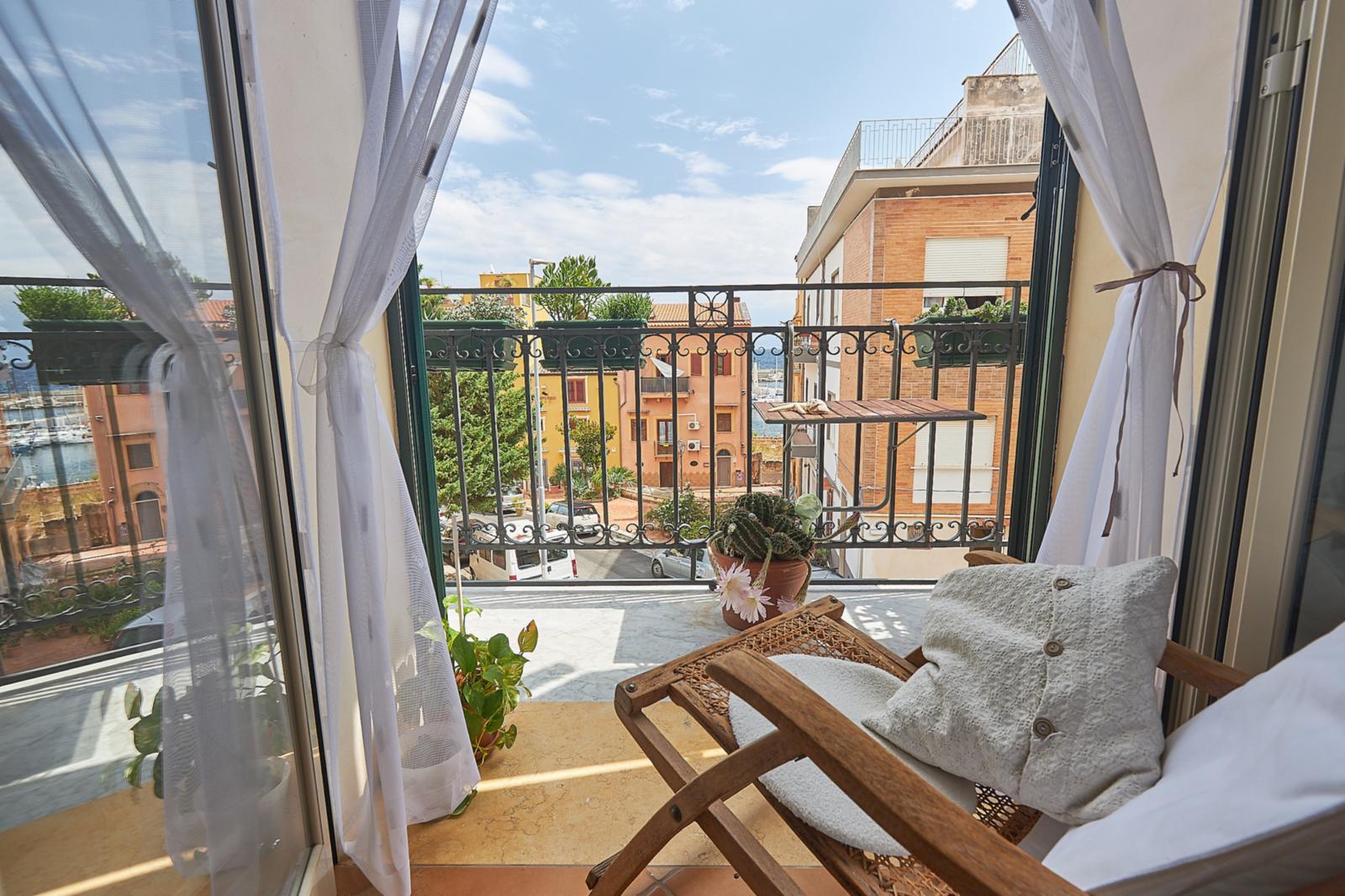
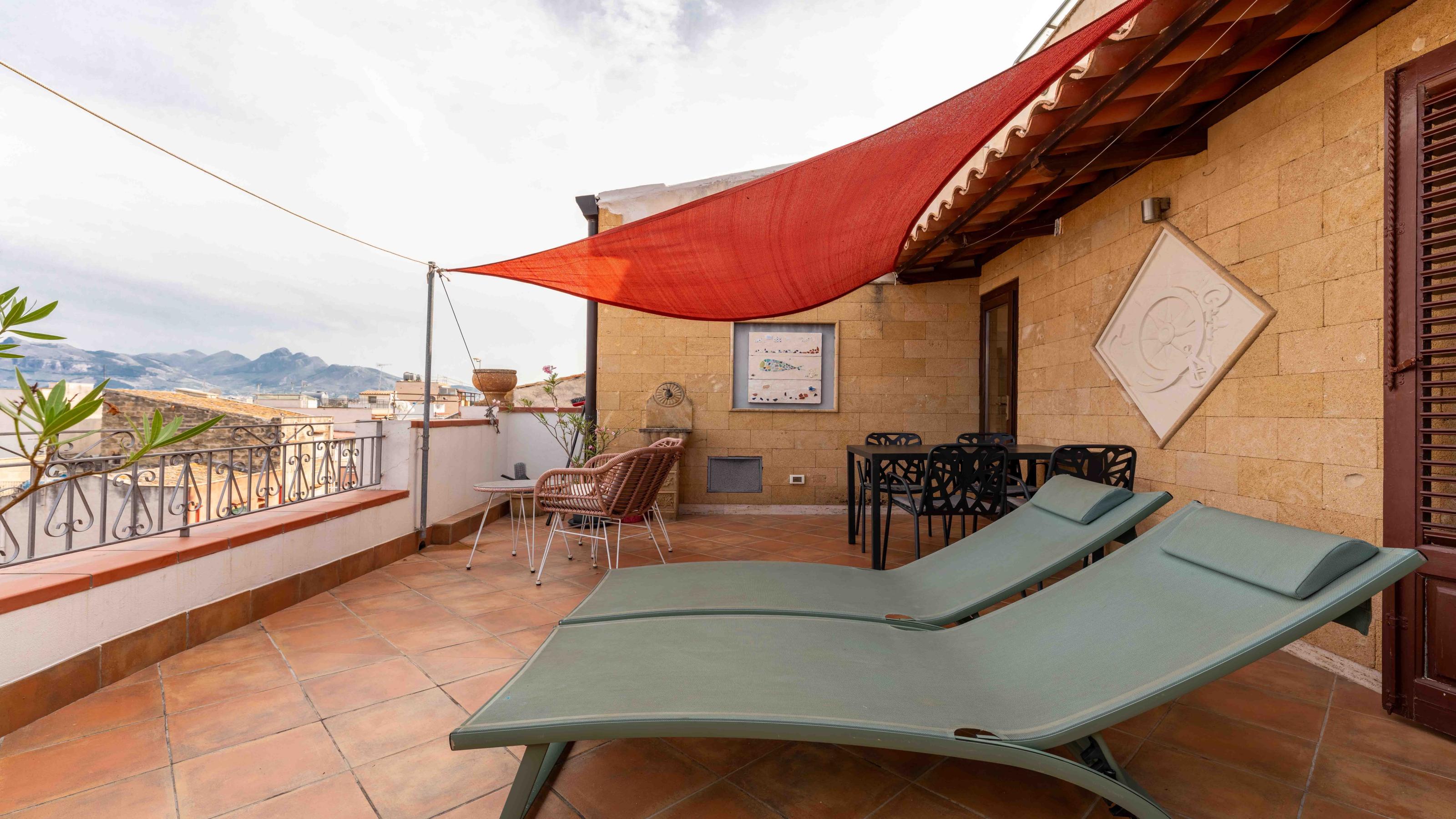
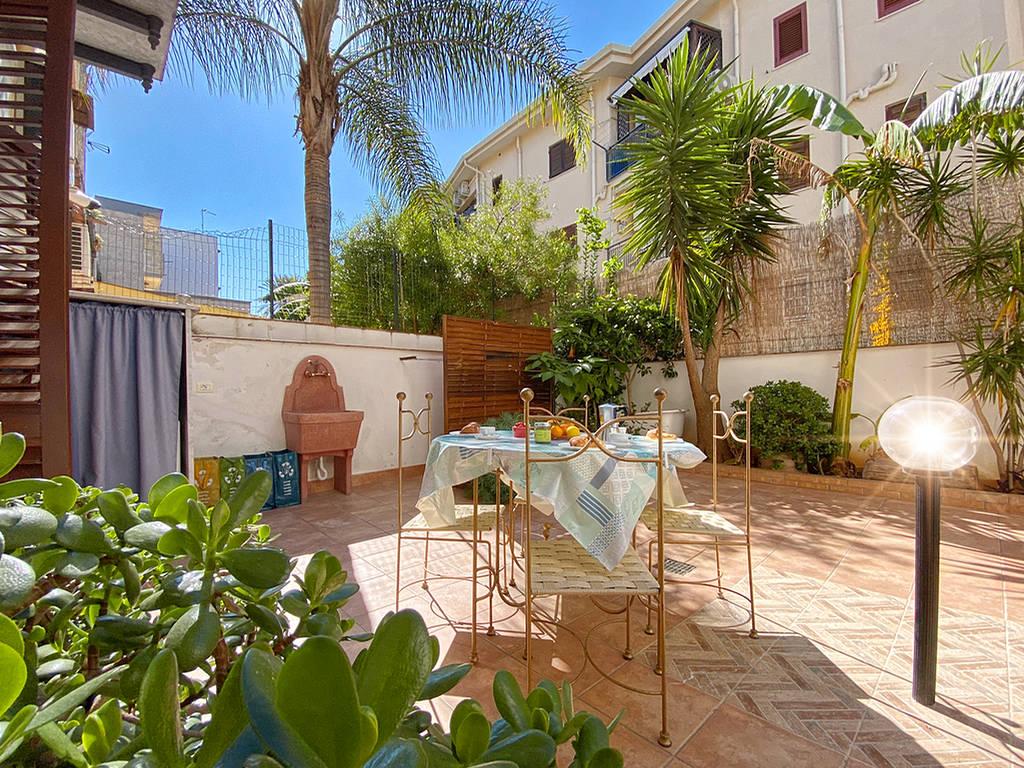
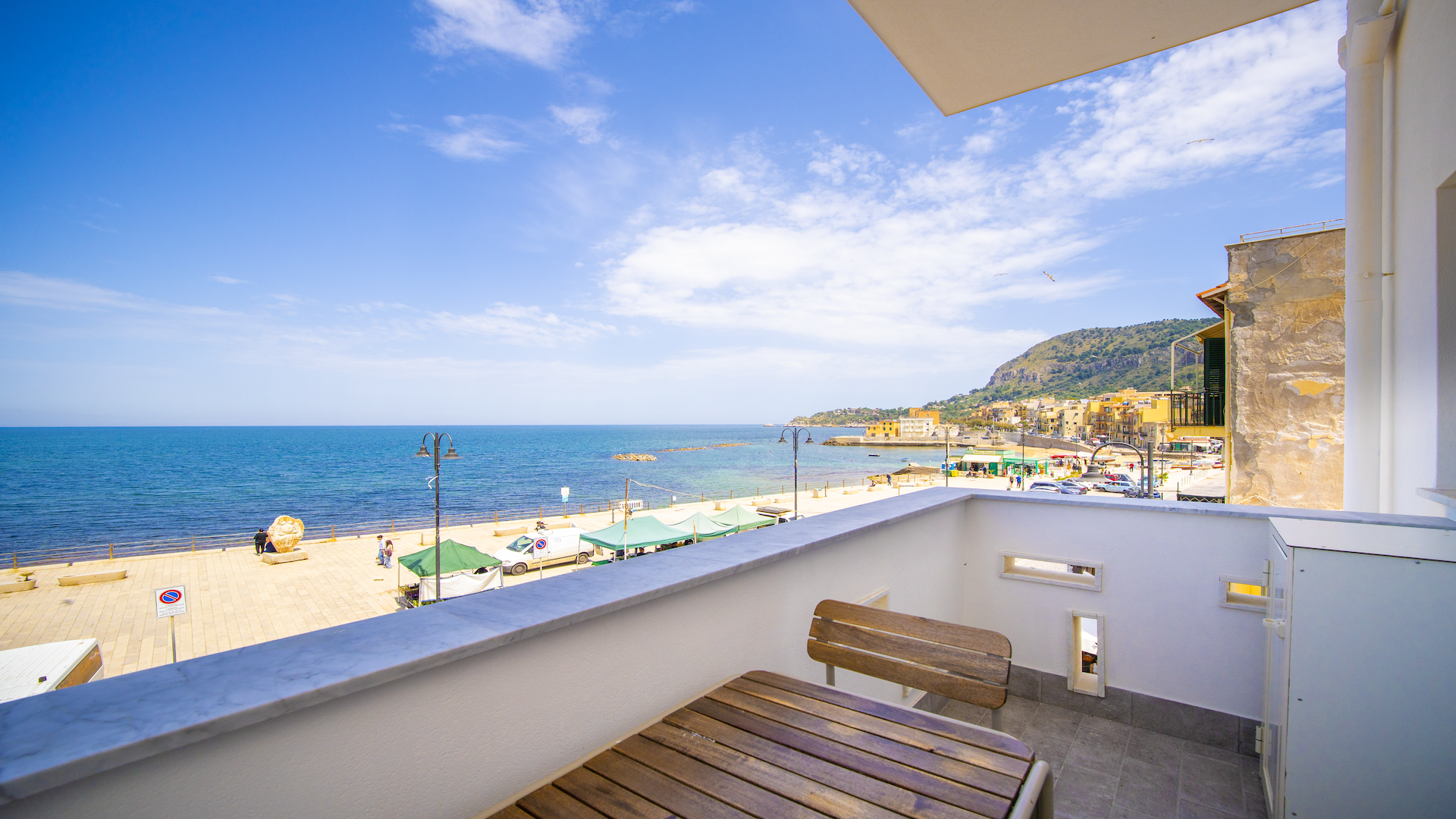
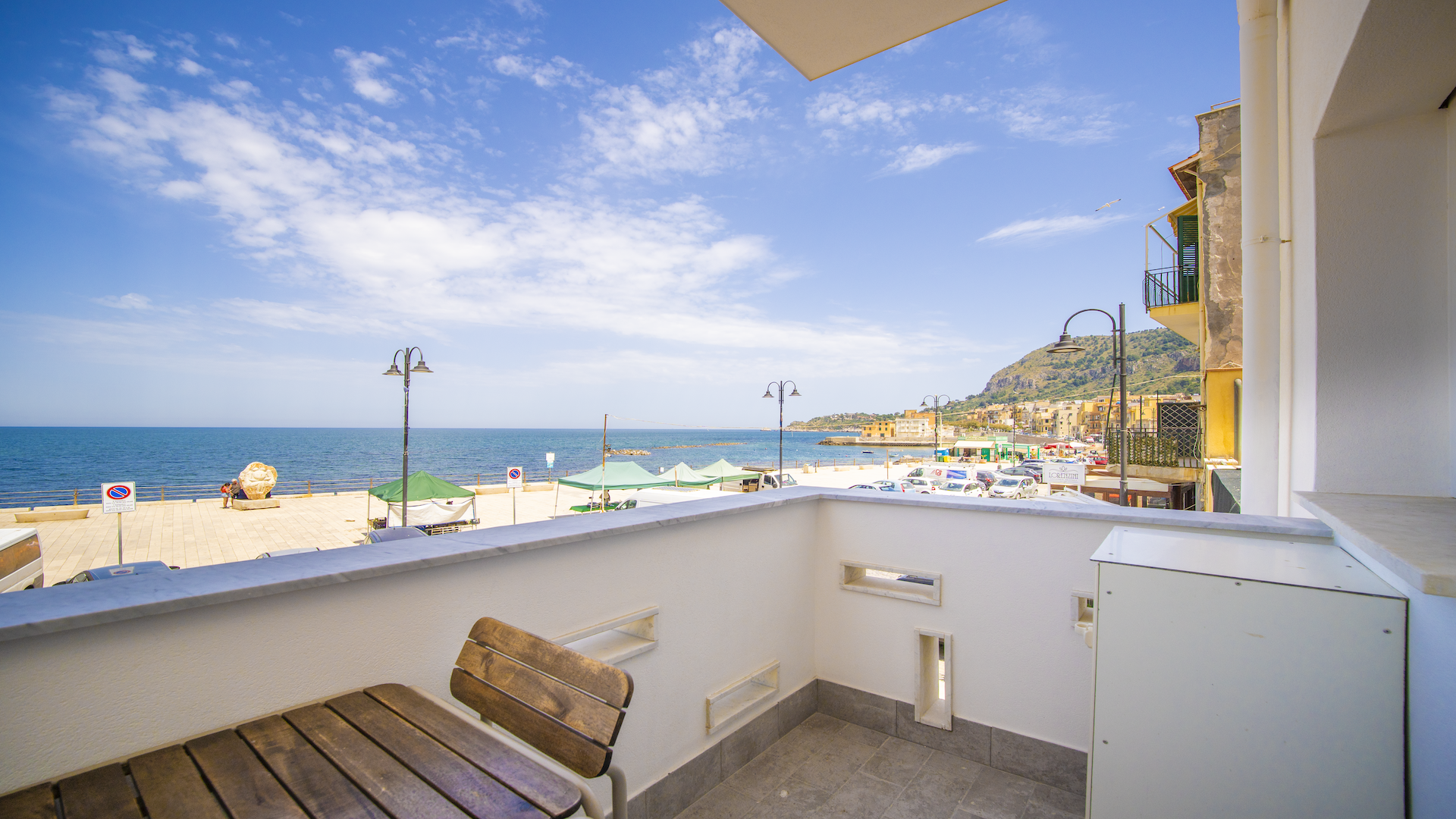
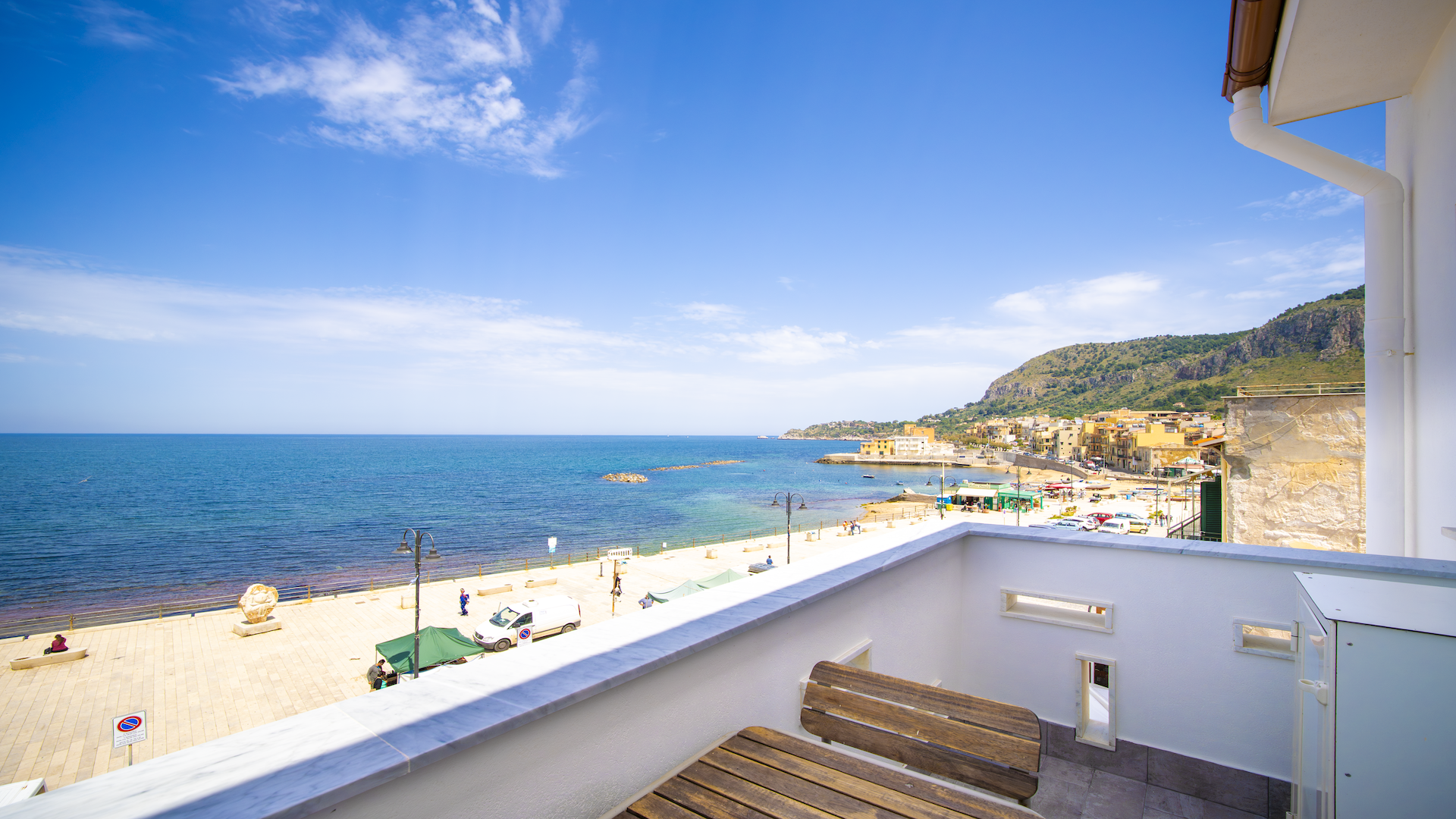
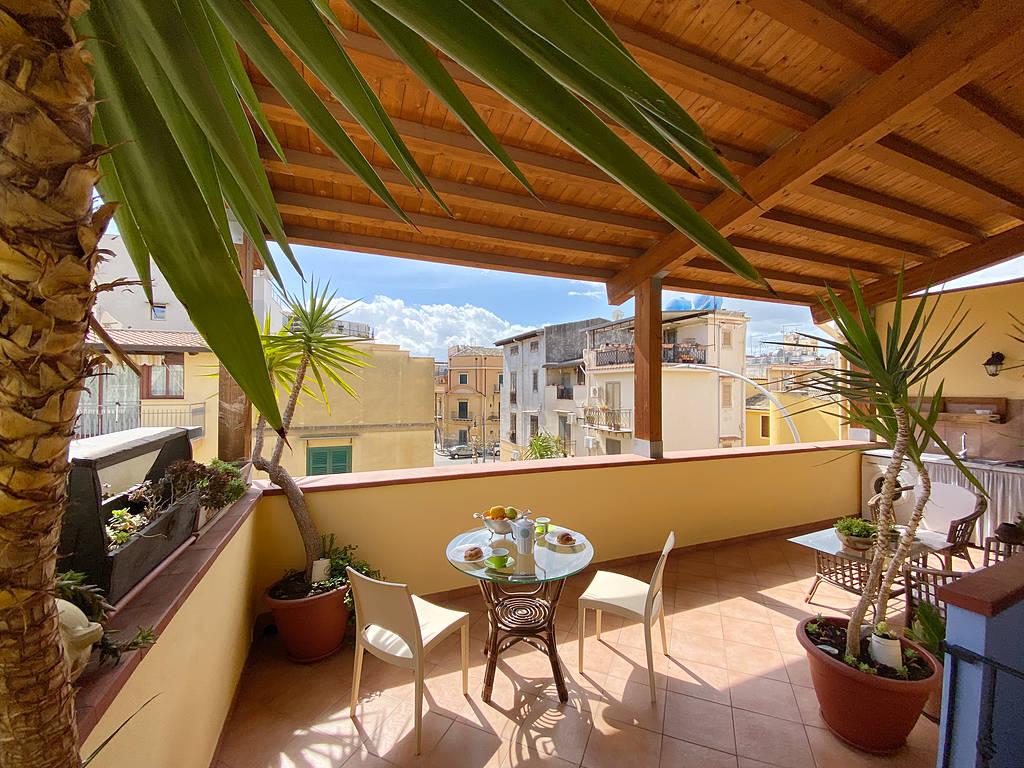
Local Favourites
Buatta Cucina Popolana
Nino 'u Ballerino
Trattoria Al Vecchio Club Rosanero
Bisso Bistrot
Osteria dei Vespri
Don Ciccio
Sicilò
Hio Sushi Lab
Getting There
The city’s main transport hub is Centrale Station, which you can reach by train, coach or taxi from Falcone e Borsellino airport. You will also find road and rail connections to all of Sicily’s major cities and attractions here.
The light rail service from Centrale to the airport also stops at stations throughout the city, and there are a pair of tram lines and local bus routes extending in all directions.
Book a Transfer Today
Are you visiting Palermo City soon? Would you like to book a comfortable, safe and fast private transfer? Solemar Sicilia can arrange it for you immediately.
Let us know your travel dates and times, the size of your party and how much luggage you will be bringing.
Prices start from 50 euros.
Sicily All in One Place
To discover more recommendations, trivia and insider tips for this region and throughout Sicily, we strongly recommend the blog of our fabulous friend Britta Bohn, Sicily All in One Place.